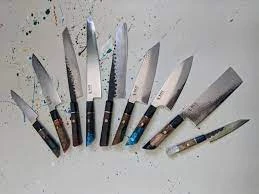

A serrated knife Australia is perfect for cutting tomatoes, bread and meat. Some kitchen knife owners assume that when the blades of a serrated knife become dull, there is nothing they can do about it. That is not true because serrated knives can be easily sharpened at home as easily as knives with a flat edge. You might have the right materials in your kitchen already. If you are interested in learning how to effectively sharpen a serrated knife, you are in the right place. Read this guide to the end.
Tips for sharpening a serrated knife
Before you get started, it is wise to have a clean workspace that is free of any debris and clutter. You can lay your knife on a towel or your chopping board. You should have some bread or vegetables to test your kitchen knife. You can clamp your kitchen knife in a vice grip to keep both your knife and yourself safe. This will ensure that the knife does not slip during the sharpening process. It will also make it faster and easier to sharpen your knife. In any case, you need to ensure you have a first aid kit around since you are working with sensitive materials that could hurt you.If you are working with a sharp or large blade, you should consider having someone to help you hold the kitchen knife steady. This prevents damage to you and your knife.
Choose the right equipment
When sharpening serrated Japanese chef knives, it is essential to choose the right equipment. The first step should be examining the knife. You should find the knife’s scalloped edge and determine how wide the serrations are. This determines the size of the sharpening steel needed. You might also need multiple sharpening rods if your kitchen knives have different-sized gullets. However, for most serrated knives, you will be able to use one standard rod. It is important to note that flat files and edge sharpeners will not work for a serrated kitchen knife. If you are willing to invest for the long run, you should invest in a V-shape sharpener that comes with rods attached to a wooden base.
Find the bevelled edge
Just like your standard knife, you will want to sharpen the bevelled side of your serrated knife. You should find the bevelled edge by looking for the side that prominently features the serrations. The bevelled edge should appear like a tiny scallop and a flat edge to each one and the reverse should be flat with little evidence of serrations. You should never sharpen the wrong side of your serrated knife as it will damage it. After finding the bevelled edge, you can pull the sharpening rod across.
Know the correct sharpening angle
You may have a hard time positioning your serrated knife Australia on your sharpening iron. The best idea is to have a very nice grip to clamp the knife whilst you pull your iron across. If this works better for you then you can clamp the iron and pull your knife across the same way.

























Sign in to leave a comment.