

The Common Law Admission Test (CLAT) is a crucial exam for students aspiring to join prestigious law colleges in India. With 200 questions to answer in just 2 hours, it’s clear that CLAT requires both speed and accuracy. While many students focus on subject knowledge, time management and accuracy are often overlooked. This guide provides simple tips to help you balance both speed and accuracy for better performance in the exam.
1. Understand the CLAT Syllabus Thoroughly
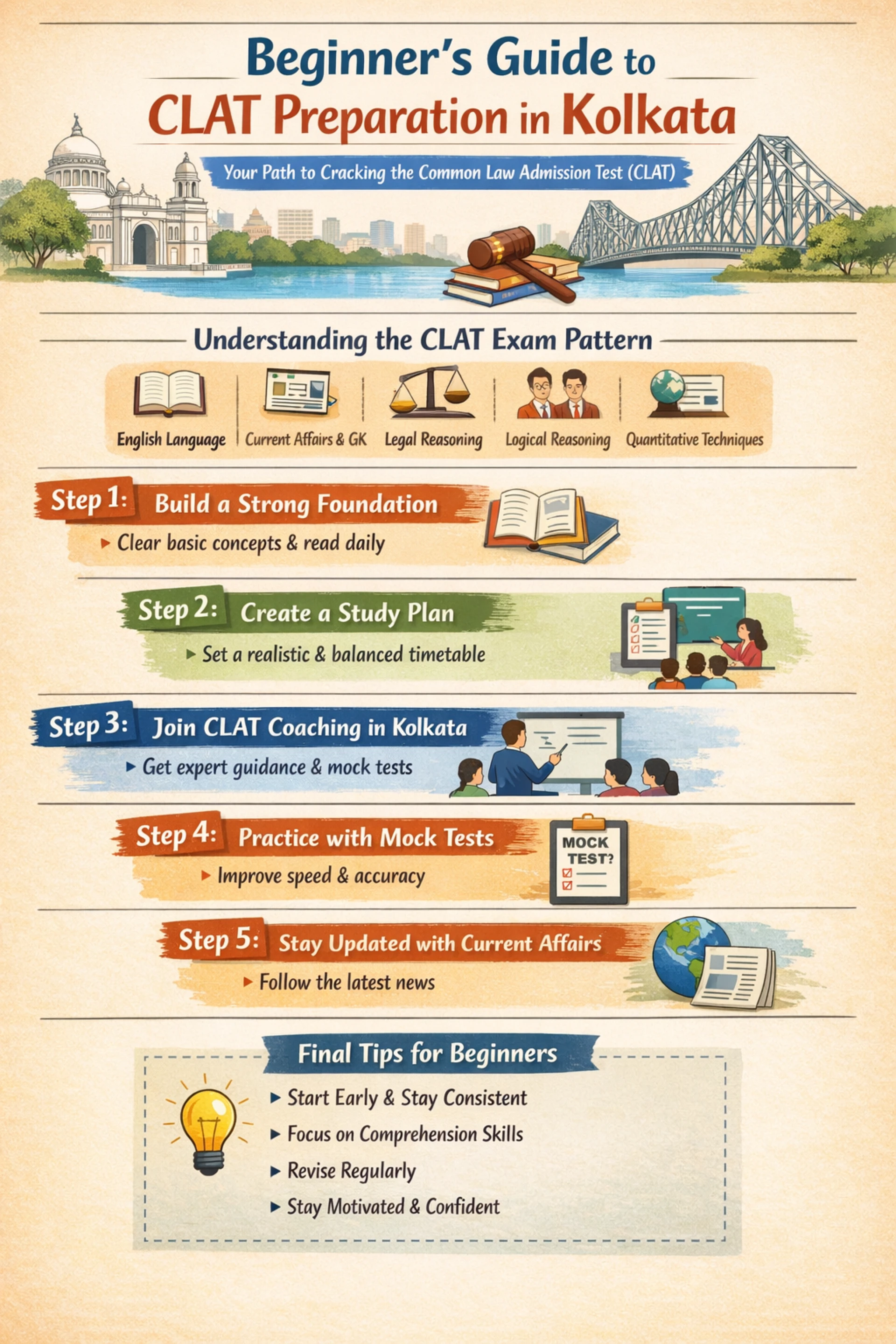
Before you begin your preparation, understanding the CLAT syllabus is essential. The exam consists of five major sections: English Language, Current Affairs (including General Knowledge), Legal Reasoning, Logical Reasoning, and Quantitative Techniques. Each section requires a unique approach, and knowing the syllabus well helps you strategize your preparation.
Break the syllabus into smaller sections. Study one section at a time and give it the attention it requires. Understanding the weightage of each section helps you allocate your time wisely. For instance, if the Legal Reasoning section is more challenging for you, spend extra time on that. A clear understanding of the syllabus will help you focus on what’s important and prevent you from wasting time on irrelevant topics, which is key when learning how to prepare for CLAT effectively.
2. Practice Time Management
Time management is key to acing CLAT. With just 2 hours to complete 200 questions, you need to pace yourself carefully. If you spend too much time on one question, you might not finish the exam on time.
Start by practicing mock tests under timed conditions. Try to finish each section within the allotted time, and gradually reduce the time you spend on each question as you improve. Timed practice will make you comfortable working under pressure. If you get stuck on a question, don’t waste time; move on and return to it later if time permits. Practicing this way will help you stay calm and make smarter choices during the actual exam.
3. Skim and Scan Passages for Efficiency
In sections like English and Legal Reasoning, you’ll encounter lengthy passages that can consume a lot of time. Instead of reading every word, practice skimming and scanning to quickly grasp the main ideas.
Skimming means reading the first and last sentences of each paragraph to understand the overall idea. Once you’ve got the gist, move on to the questions. If a question asks for specific details, use scanning to look for keywords like names, dates, or events in the passage. This approach allows you to save time without sacrificing understanding, so you can answer the questions quickly and accurately.
4. Sharpen Your Analytical Thinking
Both Logical Reasoning and Legal Reasoning sections require strong analytical skills. These sections test your ability to evaluate situations and think critically, so improving your analytical thinking is crucial to answering questions quickly and accurately.
Practice logical puzzles, pattern recognition exercises, and reasoning questions regularly. The more you practice, the better you’ll get at spotting patterns and quickly identifying the right solutions. In the CLAT exam, practice applying legal principles to various scenarios in the Legal Reasoning section. Regular practice will help you think faster and with more accuracy when solving reasoning-based questions.
5. Accuracy First, Speed Later
While speed is important, accuracy should always come first. If you rush through the questions too quickly, you might end up making careless mistakes. The goal should be to answer as many questions correctly as possible.
In the beginning stages of your preparation, focus on understanding each question thoroughly and answering it accurately. Speed will naturally follow as you get more comfortable with the format and question types. Once you’ve mastered accuracy, you can gradually increase your speed without sacrificing the quality of your answers. Remember, answering 100 questions accurately is better than answering 120 with mistakes.
6. Use Process of Elimination (POE)
Multiple-choice questions in CLAT can sometimes be tricky, especially when the options seem similar. A great strategy to deal with this is the Process of Elimination (POE). This technique helps you narrow down your choices, making it easier to pick the right answer.
If you’re unsure about a question, start by eliminating one or two clearly wrong answers. Often, there will be obvious choices that don’t fit the question. By eliminating them, you increase your chances of getting the correct answer. Even if you have to guess, the POE method ensures your guess is more informed and less random. It’s a great way to save time and avoid mistakes when you’re unsure of an answer.
7. Stay Updated with Current Affairs
Current Affairs is an important section in CLAT. It tests your awareness of recent events, politics, sports, and international developments. Keeping up with current affairs will not only help you in CLAT but also in other competitive exams.
Set aside a fixed time each day to read the newspaper or follow reliable news sources. Focus on important events, key figures, and major developments. Make short notes of significant events and dates for quick revision before the exam. Regular updates will ensure that you’re always prepared for any questions in the Current Affairs section. By staying informed, you can quickly and accurately answer questions related to current events.
Checkout the CLAT Scholarship Test and earn up to a 100% scholarship on your CLAT coaching!
8. Build Your Vocabulary
A strong vocabulary is essential for sections like English and Legal Reasoning. A wide range of words will help you understand complex passages and legal terms, saving you time and making it easier to answer questions accurately.
Learn a few new words every day. Use apps or flashcards to make vocabulary learning fun and easy. Practice using these words in sentences to ensure you remember them. A good vocabulary will not only help you understand difficult passages but also allow you to answer questions more quickly. With a strong vocabulary, you’ll be able to quickly grasp the meaning of even the most complicated legal texts.
9. Take Regular Mock Tests
Mock tests are one of the best ways to improve both speed and accuracy for CLAT. They simulate the real exam environment and give you a chance to practice answering questions within the given time limits.
Take mock tests regularly to track your progress and identify areas for improvement. After each mock test, analyze your performance. Look at the questions you got wrong and figure out why. Was it due to a lack of knowledge, time management, or carelessness? By reviewing your mistakes, you can avoid them in the future and become more efficient at answering questions. Mock tests will also help you develop stamina for the actual exam.
10. Stay Calm and Confident
Lastly, staying calm and confident during the exam is essential for performing well. Anxiety can cause you to make mistakes and slow you down. Staying composed and positive will help you think more clearly and make decisions faster.
Before the exam, practice deep breathing exercises or meditation to calm your nerves. Remind yourself of all the preparation you’ve done and trust in your abilities. Visualize yourself successfully completing the exam. A confident mindset will not only help you stay focused but also ensure that you make the most of the time you have during the test.
Also explore Online Judiciary Coaching if you want to crack the judiciary exam and become a judge.
Conclusion: Consistency and Practice
Improving speed and accuracy for CLAT takes consistent effort, smart strategies, and practice. By understanding the syllabus, managing your time effectively, practicing mock tests, and staying updated on current affairs, you can greatly improve your performance. Focus on accuracy first, then gradually work on increasing your speed. With hard work, dedication, and a calm mindset, you will be well-prepared to excel in CLAT and secure your place at a top law school. Good luck!












Sign in to leave a comment.