

PTSD treatments have expanded beyond traditional therapy in recent years. Transcranial magnetic stimulation offers a different approach than talking about trauma or taking medication.
The question many people facing PTSD want answered is whether this newer technology actually works better than established methods.
Understanding the differences between these approaches requires looking at how they work, what research shows, and who benefits most from each option. Neither treatment works perfectly for everyone, which is why having multiple options matters.
Traditional Therapy Approaches
Standard PTSD treatment has relied on specialized forms of psychotherapy for decades. These methods have extensive research behind them, though they don’t help everyone who tries them.
Exposure-Based Therapy
Most trauma therapy involves gradually confronting avoided memories and situations. A therapist guides someone through this process over weeks or months of weekly sessions. The idea is that avoidance keeps PTSD active, and carefully facing fears helps the brain process trauma differently.
This approach demands real courage. Sessions can be emotionally draining. Some people get worse before they get better. Others can’t tolerate the distress and stop treatment early. But for those who complete it, many see substantial improvement.
EMDR Sessions
Eye movement desensitization involves recalling trauma while following visual stimuli like a therapist’s moving hand. The bilateral stimulation supposedly helps stuck memories get processed. Some people respond well after just a few sessions. Others don’t notice much difference.
Experts still debate why EMDR works when it does work. The eye movements might not be the active ingredient. But enough people report benefits that it’s become a standard option many therapists offer.
Medication Treatment
Antidepressants get prescribed frequently for PTSD, usually alongside therapy. They can reduce anxiety and help with sleep problems. However, finding the right medication often takes trial and error. Side effects cause some people to stop taking them.
Medications don’t cure PTSD. They manage symptoms while someone works through other treatments. For some people, this combination helps enough that they can function better day to day.
Why Traditional Methods Sometimes Fail
Several issues limit how well conventional approaches work in practice:
- Around half of patients don’t respond adequately or drop out before finishing
- Discussing trauma repeatedly feels impossible for some people
- Treatment takes months of weekly appointments
- Symptoms often worsen temporarily before improving
- Not everyone can tolerate psychiatric medications
Understanding TMS for Trauma
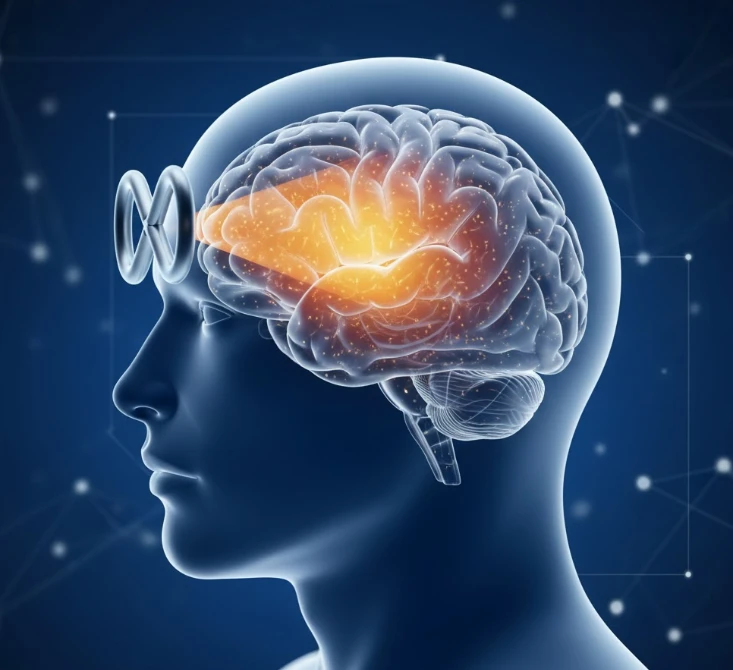
Transcranial magnetic stimulation works completely differently. An electromagnetic coil placed on the scalp delivers magnetic pulses to specific brain areas. These pulses stimulate neurons in regions affected by trauma.
What Happens During Treatment
Sessions last 20–40 minutes. Someone sits in a chair while the coil is positioned against their head. The magnetic pulses make clicking sounds and create slight tapping sensations on the scalp. Most people tolerate this easily.
Standard protocols involve daily sessions for four to six weeks. Unlike therapy, there’s no discussion of traumatic events. The person just sits while stimulation occurs. This makes it emotionally easier than treatments requiring active engagement with painful memories.
The Brain Science Behind It
TMS for trauma targets the prefrontal cortex, which helps regulate emotions. Trauma disrupts normal activity in this area. The magnetic stimulation aims to restore more balanced patterns of brain activity.
Different protocols use varying frequencies and intensities. High-frequency pulses increase activity in underactive areas. Low-frequency stimulation calms overactive regions. The specifics depend on which symptoms someone experiences most.
What Research Actually Shows
Comparing effectiveness between TMS and traditional therapy isn’t straightforward. Traditional therapy has decades of research with thousands of participants. TMS research is newer with smaller studies.
Treatment Response Rates
Traditional therapy shows response rates around 50–60% in research trials. About half of people get significantly better. The other half either don’t improve enough or quit treatment early.
TMS studies show similar response rates, sometimes slightly higher. But many TMS trials specifically enrolled people who hadn’t responded to conventional treatment. Getting results in this tough population is actually impressive.
Sample sizes in TMS research remain relatively small. More extensive studies need to happen before making definitive comparisons. But existing evidence suggests TMS works at least as well as traditional methods for many people.
Time Investment Required
Traditional therapy takes months of weekly sessions. Each appointment demands emotional energy. Homework assignments extend the work between sessions. The time commitment stretches over half a year or longer.
TMS condenses treatment into several weeks of daily appointments. This compressed timeline means taking time off work or rearranging schedules daily. But the total number of weeks is fewer than traditional therapy requires.
Safety and Side Effects
Talk therapy has minimal physical risks. The main concern is emotional distress when confronting trauma. This distress can feel overwhelming temporarily, though it usually decreases as treatment continues.
TMS has a different side effect profile:
- Headaches during or after sessions (fairly common but usually mild)
- Scalp discomfort where the coil touches (temporary and manageable)
- Rarely, seizures (happens in less than 0.1% of patients)
- Cannot be used with certain metal implants in the head
Most side effects from TMS are mild and temporary. Serious complications are rare when proper screening happens beforehand.
Who Benefits Most
Different people respond better to different treatments. Some patterns emerge from research and clinical experience.
Traditional therapy works well for people who can handle emotional discomfort and want to actively process their trauma. Having a stable life situation and support system helps people stick with treatment through difficult periods.
TMS for trauma might be better for people who’ve tried therapy without success. It can also help those who can’t discuss their trauma verbally or who haven’t tolerated medications well. The less demanding emotional requirement makes it more accessible for some people.

Combining Both Approaches
Some providers now use TMS and therapy together rather than choosing one or the other. The magnetic stimulation might help stabilize brain function enough that someone can engage more effectively with therapy afterward.
This combination makes sense theoretically. TMS addresses brain function directly while therapy teaches new ways of thinking and responding. Using both together might produce better results than either alone, though research on combined treatment remains limited.
Making Treatment Choices
Practical considerations affect treatment decisions as much as effectiveness does. TMS isn’t available everywhere, and many insurance plans don’t cover it yet. Traditional therapy is more accessible in most places and more likely to be covered.
Cost matters too. TMS can be expensive without insurance coverage. Multiple weeks of daily sessions add up quickly. Traditional therapy costs less per session but extends over more months.
Previous treatment history should influence decisions. Someone who hasn’t tried traditional therapy might start there since it has more established evidence. Someone who’s tried multiple therapies without success might consider TMS as an alternative worth exploring.
Neither treatment guarantees results. Both have helped many people recover from trauma, and both fail to help others. The goal is finding the approach most likely to work for each specific person given their symptoms, history, and circumstances.











Sign in to leave a comment.