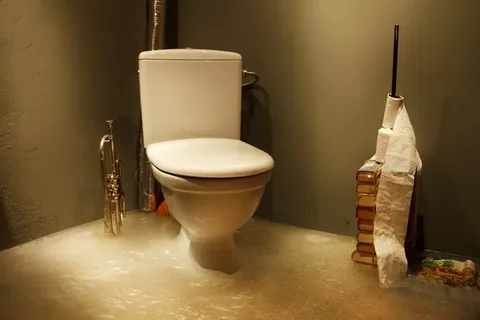

An overflowing toilet is one of the most common and frustrating plumbing issues homeowners face, which can quickly escalate to a messy and unhygienic situation. Some causes of an overflowing toilet may be due to the blockage of the pipeline, malfunctioning of an element, or an issue with the plumbing system. Preventing such a situation becomes crucial for maintaining a hygienic bathroom environment with the right knowledge of rectifying the situation effectively.
Common Causes of Toilet Overflow
Knowing the root causes of an overflowing toilet will help identify and solve the problem quite fast. Some of the common causes include:
Clogging in the Drain: A blockage in the drainpipe is the most common cause of an overflowing toilet. This may be due to excessive toilet paper, non-flushable items, or buildup of debris over time.
Malfunctioning Fill Valve: If the fill valve that controls the water level in the toilet overflow does not function right, the tank can end up overflowing.
Faulty Flapper: The flapper regulates the amount of water allowed to exit from the tank into the bowl. When the flapper wears out or gets stuck, it keeps allowing water into the bowl, leading to an overflow.
Sewer Line Problems: Blockages or damage in the main sewer line can cause wastewater to back up into the toilet, which then overflows.
Septic Tank Problems: In homes with septic systems, an overflowing toilet may indicate that the septic tank is full and needs to be pumped.
Emergency Measures to Stop a Toilet Overflow
When faced with an overflowing toilet, quick action is crucial to minimize damage and restore functionality. Here’s what to do:
Turn Off the Water Supply: Locate the shutoff valve behind the toilet and turn it clockwise to stop the flow of water. If the valve is inaccessible, remove the tank lid and lift the float to halt water from entering the tank.
Clear the Bowl: Use a bucket or cup to siphon out excess water from the toilet bowl, avoiding further overflow. Pour the water into a sink or tub.
Look for Obvious Clogs: If you suspect a clog, use a plunger to try to dislodge it. Place the plunger over the drain opening in the bowl and push firmly in an up-and-down motion to create suction.
Toilet Auger: To dislodge or retrieve a stubborn clog, one can use the toilet auger or snake. Insert the auger into the drain and rotate the handle accordingly to clear the obstruction.
Cleaning up Safely: Keep wearing gloves, disinfectant, and towels while cleaning up and sanitizing the affected area, removing all the wastewater being prone to odors and bacterial growth.
Long-term solutions and prevention
To reduce future toilet overflow, take preventive measures by doing the following:
Don't Flush Non-Flushable Items: Teach your family to avoid flushing items that are prone to clogging such as baby wipes, sanitary napkins or paper towels.
New Flapper Or Fill Valve Installation: Regularly check and replace worn-out parts in your toilet tank to ensure proper working.
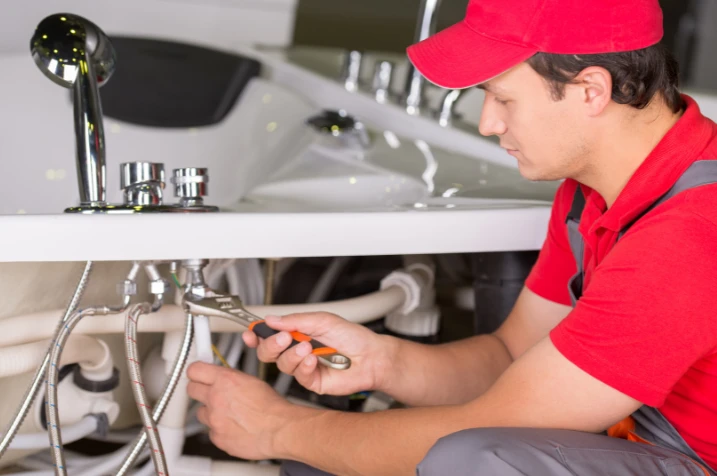
Schedule Regular Plumbing Maintenance: A professional plumber inspecting your pipes and sewer line periodically can identify potential issues before they escalate.
Upgrade to a Modern Toilet: Newer toilets have better flushing mechanisms that reduce the chances of clogs and overflows. Upgrade if your toilet is old or has frequent issues.
Check Your Septic System: If you use a septic tank, pump and maintain it regularly to avoid backups that may cause toilet overflows.
When to Call a Professional
While most toilet overflow problems can be solved with DIY techniques, some cases need the intervention of a professional plumber. You should call a professional if:
The overflow is caused by a suspected sewer line blockage or damage.
The toilet overflows despite your efforts to stop it.
You find recurring clogs or other plumbing issues in your home.
Foul odors or slow drains are accompanied by the overflow, meaning there might be a septic or sewer problem.
A licensed plumber has the equipment and knowledge to diagnose and fix complex issues, meaning that the problem will be corrected correctly and efficiently.
Advantages of Quick Toilet Overflow Solutions
There are various advantages associated with quick toilet overflow solutions, including:
Preventing Water Damage: Overflowing water can seep into flooring, walls, and ceilings, causing costly damage if not addressed quickly.
Maintaining Hygiene: A toilet overflow can introduce harmful bacteria and pathogens into your home. Immediate action ensures a clean and safe environment.
Avoiding High Repair Costs: Resolving minor plumbing issues before they escalate can save you from more expensive repairs down the line.
Preserving Peace of Mind: Knowing that your toilet is functioning properly allows you to use your bathroom without worry or inconvenience.
Conclusion
It might be an inconvenience, and if not treated promptly can cause major damage. Through understanding common causes and possible solutions, you can therefore respond to the problem immediately. Maintenance, prevention through proactive measures, and the knowledge of when to involve an expert are crucial in the proper working of your toilet and plumbing system. The stress and hassle of overflow will be a thing of the past if you manage your toilet properly.




Sign in to leave a comment.