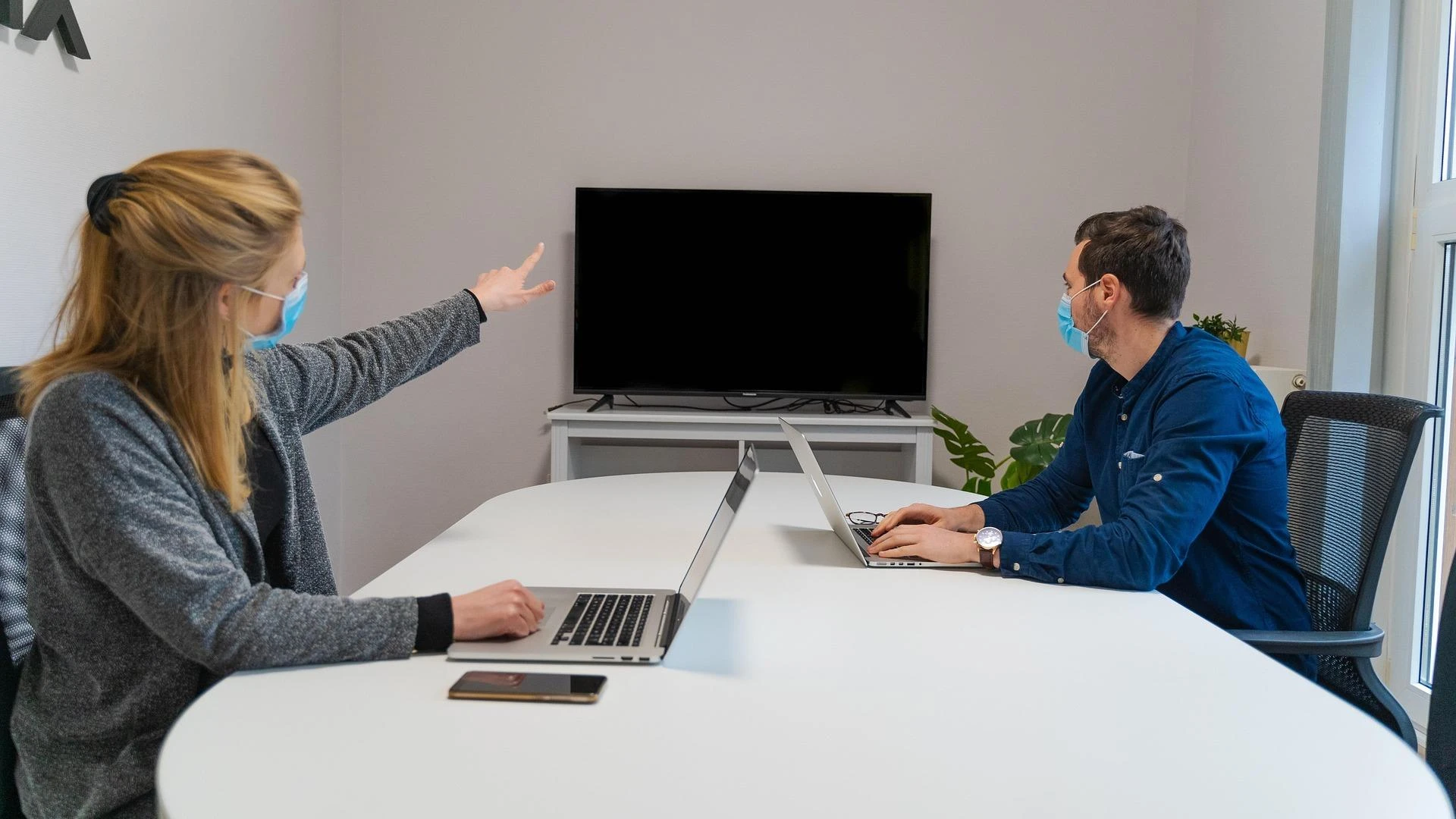
Maintaining high hygiene standards in Australian workplaces is not just about presentation. It affects staff wellbeing, customer perception and day-to-day operations. From offices in Sydney and Melbourne to warehouses in Brisbane and Perth, businesses face similar hygiene challenges.
As a specialist hygiene provider in Australia, Initial Hygiene Australia works with organisations across multiple sectors to address common issues before they become costly problems.
Below are ten hygiene mistakes many businesses make — and practical ways to fix them.
1. Treating Hygiene as a Once-Off Clean
Many businesses rely on periodic deep cleans while overlooking daily hygiene risks. High-touch areas such as door handles, lift buttons and shared equipment collect bacteria quickly.
How to fix it:
Implement a scheduled hygiene servicing plan tailored to your premises. Regular replenishment of soap, sanitiser and hygiene units keeps protection consistent rather than reactive.
2. Ignoring Washroom Presentation
Washrooms are one of the first places customers and staff judge. Empty dispensers, unpleasant odours or poorly maintained sanitary bins create a negative impression.
How to fix it:
Install professional soap and sanitiser dispensers, air care systems and sanitary disposal units. Routine servicing ensures products are refilled and units remain hygienic and discreet.
3. Overlooking Female Hygiene Facilities
Workplaces that fail to provide appropriate sanitary disposal units risk discomfort and dissatisfaction among staff and visitors.
How to fix it:
Provide compliant sanitary bins in every female and unisex washroom cubicle. Scheduled servicing ensures safe, discreet collection and replacement.
4. Poor Hand Hygiene Compliance
Hand hygiene remains one of the most effective defences against illness. Yet many workplaces place sanitiser in hard-to-reach locations or allow dispensers to run empty.
How to fix it:
Position alcohol-based hand sanitiser at entry points, meeting rooms and shared areas. Use wall-mounted dispensers with reliable refill programs to maintain availability.
5. Relying on DIY Odour Control
Sprays and plug-in air fresheners only mask smells temporarily. In high-traffic areas, this approach often fails.
How to fix it:
Use professionally maintained air care systems designed for commercial settings. These provide controlled fragrance release and consistent performance across offices, retail stores and healthcare facilities.
6. Inadequate Clinical or Hygiene Waste Management
Businesses that generate hygiene or clinical waste must manage it properly. Improper storage or disposal creates safety risks.
How to fix it:
Partner with a specialist hygiene provider to manage waste collection on a scheduled basis. Clearly labelled containers and regular servicing reduce risk and maintain a safe environment.
7. Forgetting About Air Hygiene
Indoor air quality affects comfort and productivity. Dust, odours and poor airflow create an unpleasant workplace.
How to fix it:
Introduce air purification and odour management systems suited to your premises size and usage levels. Regular maintenance ensures units perform effectively.
8. Not Customising Hygiene Solutions
A small office in Adelaide has very different hygiene needs compared to a manufacturing facility in regional Queensland. Applying the same setup to every site often leads to gaps.
How to fix it:
Conduct a site assessment to identify traffic flow, staff numbers and operational risks. Customised hygiene programs address real conditions rather than assumptions.
9. Inconsistent Servicing Schedules
Missed service visits lead to overflowing bins, empty soap dispensers and frustrated staff.
How to fix it:
Work with a national provider offering structured service schedules across Australian metro and regional areas. Reliable servicing keeps hygiene standards steady year-round.
10. Viewing Hygiene as a Cost Rather Than Protection
Some businesses minimise hygiene spending until issues arise. However, poor hygiene can result in staff illness, complaints and reputational damage.
How to fix it:
Treat hygiene as an essential operational requirement. Professional hygiene services reduce disruption and create a healthier environment for employees and customers.
Why Professional Hygiene Services Matter in Australia
Australian workplaces operate in varied conditions — from humid coastal regions to dry inland areas. Seasonal changes can increase bacteria growth and odour issues.
A structured hygiene program supports:
- Cleaner, safer washrooms
- Improved staff confidence
- Better customer impressions
- Reduced workplace disruption
By engaging specialists such as Initial Hygiene, businesses gain access to modern dispensers, air care systems and scheduled servicing tailored to Australian standards and expectations.
Strong hygiene standards show that a business values its staff and customers. By avoiding these common mistakes and investing in structured hygiene services, Australian organisations can maintain clean, safe and welcoming environments every day.










Sign in to leave a comment.