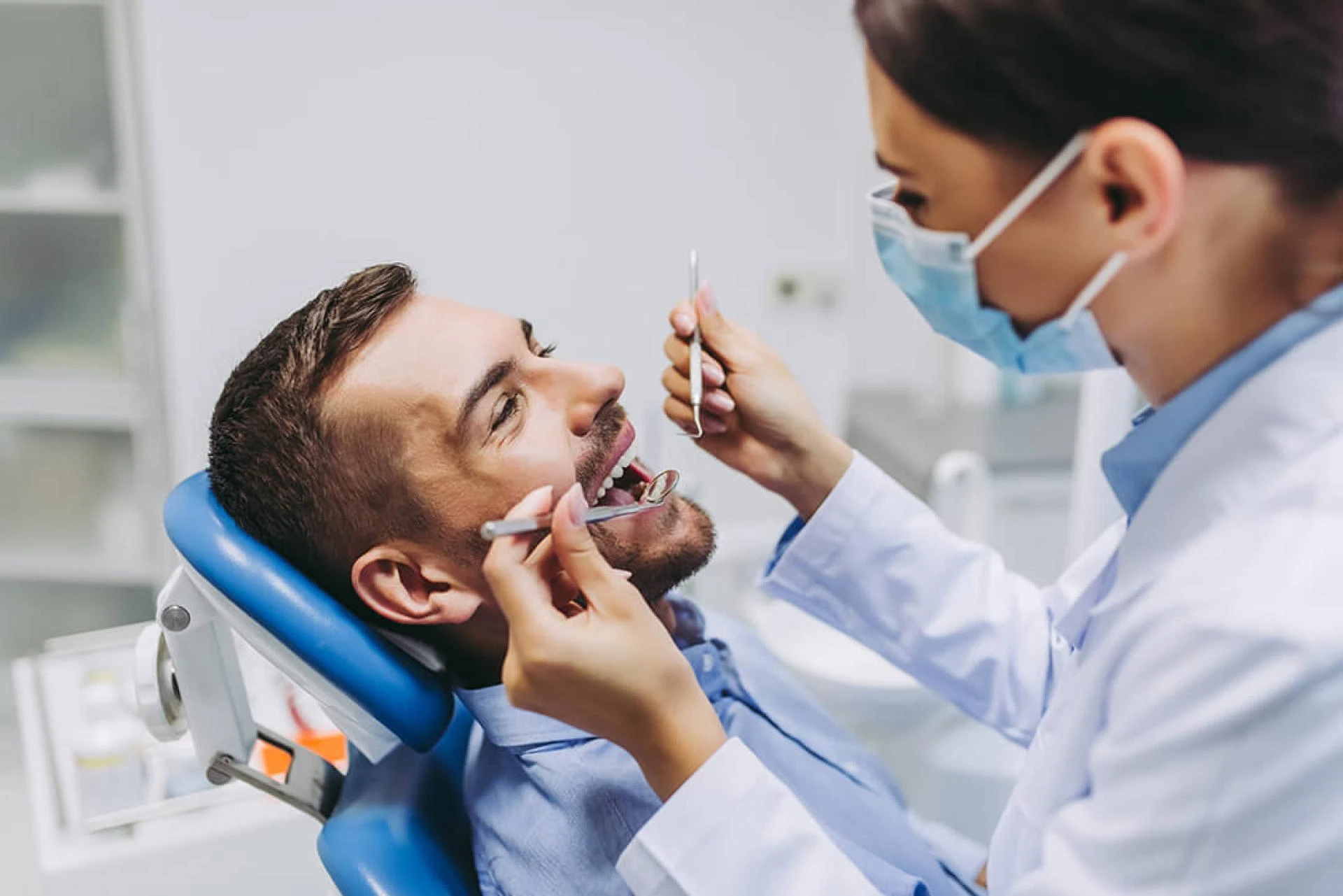

Visiting the dentist for the first time can feel intimidating, but knowing what to expect can ease your nerves. Whether you’re going for a routine checkup or have a specific concern, your first dental visit is a key step in maintaining your oral health. Here’s a detailed look at 10 things you can expect when you walk into that dental office for the very first time.
1. A Great Expression: Warm Welcome and Patient-Centered Care
Your very first impression matters, and great dental practices know this better than anyone. Expect to be greeted warmly by the front desk staff. They’ll help you feel comfortable, answer your questions, and guide you through any necessary paperwork. Good clinics pride themselves on creating a welcoming environment because they know dental anxiety is real.
You might even notice a cozy waiting area with soothing music, free Wi-Fi, or refreshments. This isn’t just about being fancy it’s about helping you relax. Many practices emphasize patient-centered care, which means they see you as a whole person, not just a set of teeth. They want to know your health history, your concerns, and your goals.
During check-in, you’ll typically fill out forms covering medical history, allergies, medications, and insurance. The staff might also ask about previous dental treatments, fears, or anything you’d like the dentist to know.
A great dental visit is about building trust right from the start. The best clinics treat you like a guest and make sure you know you’re in good hands. By setting a positive tone immediately, they help transform what could be a nerve-wracking experience into something surprisingly pleasant.Buy vitamins and supplements
2. A Thorough Review of Your Medical History
Your dentist needs to understand your overall health before working on your teeth. Expect questions about any conditions you have like diabetes, heart problems, pregnancy, or autoimmune disorders as these can affect dental treatment and even the types of medications used.
They’ll also ask about allergies (especially to anesthesia or antibiotics) and your current medications, including supplements. Be honest and thorough: it’s not about being nosy but keeping you safe.
Your dentist might discuss lifestyle factors, like smoking or alcohol consumption, which can impact oral health. Don’t be embarrassed these conversations are routine and meant to help you make informed choices.
3. A Full Oral Examination
Your first dental visit will almost certainly include a detailed oral exam. This isn’t just about checking for cavities. Your dentist will look at:
Teeth (for decay, cracks, wear)Buy vitamins and supplements
Gums (for signs of gingivitis or periodontitis)
Bite and alignment
Tongue, cheeks, palate, and other soft tissues
Signs of oral cancer or unusual lesions
They might use a small mirror and dental explorer (a pointy tool) to feel surfaces for hidden issues. Don’t worry it’s not supposed to hurt.
The goal? To get a complete picture of your oral health and catch small problems before they become big ones.
4. Dental X-Rays (If Needed)
Your dentist may recommend X-rays on your first visit, especially if you’re new to the practice or haven’t had recent ones.
X-rays help dentists see what’s invisible to the naked eye, such as:
Cavities between teethBuy vitamins and supplements
Infections at tooth roots
Bone loss
Impacted teeth
Jaw issues
Modern digital X-rays use very low radiation, so they’re safe for most patients. Pregnant patients should tell their dentist—sometimes X-rays are postponed or protective shielding is used.
Don’t worry about the process: you’ll just bite down gently on a sensor while the machine takes quick images.
5. A Professional Dental Cleaning
Most first visits include a cleaning with the dental hygienist. This isn’t just to make your teeth look nice it’s crucial for your health.
The hygienist will:
Remove plaque and tartar (hardened deposits)Buy vitamins and supplements
Polish teeth to reduce surface stains
Floss thoroughly
They might also discuss your brushing and flossing habits and give personalized tips. Even if you brush well, professional cleaning gets into places you can’t reach.
Many people say they love the super-clean feeling afterward.
6. Periodontal (Gum) Evaluation
Healthy gums are the foundation of a healthy mouth. Your dentist or hygienist will check:
Gum color and firmness
Pocket depth (space between gum and tooth)
Bleeding or swelling
These checks help diagnose gingivitis (early gum disease) or periodontitis (advanced gum disease), which can cause tooth loss if untreated.
If they find problems, they’ll discuss treatment options, like deep cleaning (scaling and root planing) or improved home care.
7. Oral Health Education and Counseling
Dental care isn’t just what happens in the chair. A good dentist educates you about maintaining your oral health.Buy vitamins and supplements
Expect them to discuss:
Proper brushing and flossing techniques
Fluoride use
Diet and sugar intake
Avoiding habits like smoking or nail-biting
How systemic conditions (like diabetes) affect oral health
They’ll answer questions in plain language, so don’t be shy about asking!
8. Personalized Treatment Planning
Your first visit is the start of your dental journey, not the end. Based on the exam and X-rays, your dentist will discuss a plan for you.
For some people, it’s just: “See you in six months!”
For others, it might include:
Fillings
Crowns
Extractions
Orthodontic referralsBuy vitamins and supplements
Gum treatments
Cosmetic procedures
A good dentist will prioritize treatments based on urgency, cost, and your goals. They’ll explain everything clearly so you can make informed decisions.
9. Financial and Insurance Discussions
Dental offices know cost is a big concern. Expect the staff to discuss:
What your insurance covers
Estimated costs of recommended treatments
Payment options or financing plans
They’re used to these questions and want you to understand your financial responsibility upfront. Don’t hesitate to ask for clarification—there shouldn’t be surprises later.
10. Building a Long-Term Relationship
Finally, your first dental visit sets the tone for ongoing care. Your dentist wants to be your partner in health for years to come.
They’ll encourage regular checkups (usually every six months) because preventive care saves money and stress. Routine visits help catch problems early, maintain your smile, and keep you healthier overall.Buy vitamins and supplements
A good practice will remind you about appointments, follow up on treatment plans, and be available for emergencies.
Final Thoughts
Your first dental visit might feel daunting, but it’s usually friendly, thorough, and personalized. Expect a warm welcome, careful evaluation, professional cleaning, clear communication, and a focus on your overall well-being.
Choosing a dentist you trust can turn dental visits from dreaded chores into empowering experiences. Remember: oral health is part of overall health, and your dentist is there to help you smile with confidence for life.



























Sign in to leave a comment.