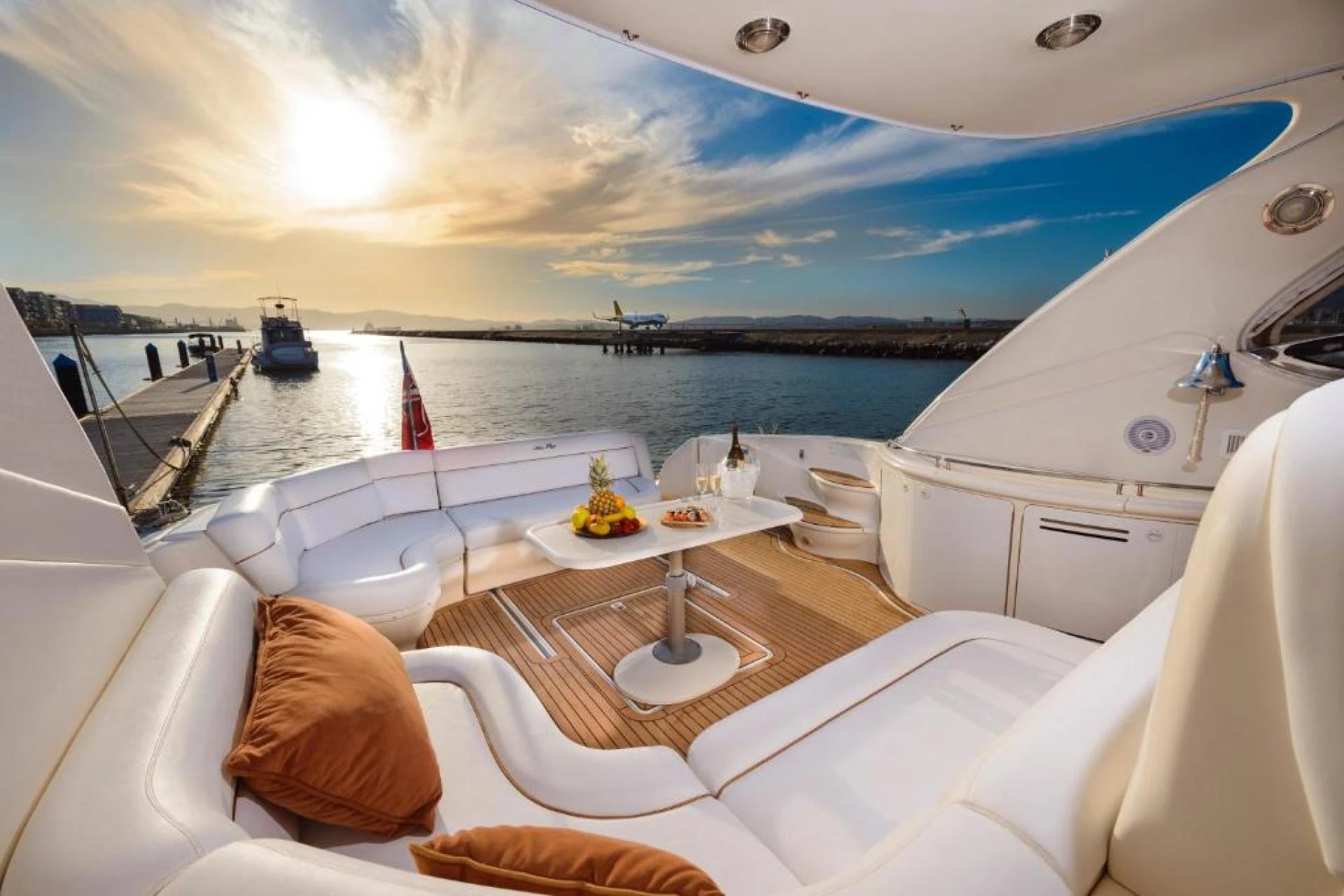

If you’ve ever dreamed of working at sea, visiting exotic destinations, or building a meaningful career outside the traditional 9-to-5 grind, you’re not alone. Thousands of people from all walks of life pursue maritime careers every year. But there's one crucial credential that unlocks those doors: the STCW certificate.
Recognized globally, the STCW (Standards of Training, Certification and Watchkeeping) certificate is the foundation of nearly every seafaring role on commercial vessels. Whether you’re looking for adventure, stability, or professional growth, this certification gives you access to multiple rewarding careers. In this guide, we’ll explore the top five career opportunities you can pursue with an STCW certificate—and how you can get started.
1. Deckhand on a Superyacht
One of the most popular entry-level roles in yachting, the deckhand position is perfect for those who are physically active, hands-on, and passionate about the outdoors. Deckhands are responsible for the exterior maintenance of the yacht, including cleaning, docking, line handling, water sports setup, and sometimes tender driving.
With an STCW certificate, you meet the basic legal requirements to be hired on a commercial yacht. You'll also demonstrate to captains and recruiters that you understand safety, fire prevention, and emergency procedures. While the job is physically demanding, the perks are unbeatable—traveling to tropical destinations, earning tax-free income, and meeting people from around the world.
Additional Skills That Help
To stand out in the deckhand job market, many candidates also complete certifications like RYA Powerboat Level 2 and VHF Radio. However, without your STCW certificate, you won’t even be eligible to start.
2. Steward or Stewardess
If hospitality is your strength and you love creating luxury experiences, becoming a steward or stewardess aboard a yacht or cruise ship could be the ideal role for you. From preparing guest cabins and serving meals to organizing events and managing inventories, this job combines service excellence with travel.
The STCW certificate is mandatory for all stewarding roles on commercial vessels, regardless of your previous hospitality experience. It proves that you’re prepared to handle onboard emergencies, medical situations, and fire safety procedures. More importantly, it makes you a trusted member of the crew.
Soft Skills That Go Far
Attention to detail, discretion, and multitasking will take you far in this career. Many start as junior stews and work their way up to chief steward roles or interior managers—especially with the right certifications and experience.
3. Junior Engineer
If you're technically minded and enjoy working with machinery, the junior engineer position is a great fit. Junior engineers assist with the daily maintenance and repair of onboard systems, including engines, electrical components, air conditioning, water filtration, and more.
Holding an STCW certificate is crucial for engineering positions, not only for legal compliance but also because of the high-risk nature of the job. Engineers often deal with flammable materials, confined spaces, and critical systems. The STCW Basic Safety Training ensures that you know how to work safely, respond to fires, and administer first aid if needed.
A Pathway to Growth
Engineering is one of the most lucrative and stable departments on board. With further certifications and sea time, junior engineers can progress to roles like second engineer or chief engineer.
4. Cruise Ship Staff
Cruise ships are floating cities—and they need a diverse range of professionals to keep everything running smoothly. With an STCW certificate, you could qualify for various roles aboard cruise vessels, including entertainers, security personnel, housekeeping, bartenders, retail assistants, and spa therapists.
What makes the cruise industry especially appealing is its variety and global nature. From Alaska to the Caribbean, cruise ships sail around the world year-round. If you have a background in hospitality, retail, or even fitness, you can combine your land-based skills with the seafaring lifestyle.
Why STCW Still Matters
Even if your job doesn’t seem safety-related, the STCW certificate is required on most international cruise liners. In emergency situations, every crew member plays a role—and the training ensures you’re prepared.
5. Offshore Oil & Gas Support Crew
If you’re seeking higher salaries and a more industrial work environment, consider working as part of an offshore support crew. This includes positions on oil rigs, supply vessels, seismic ships, and wind farms. These roles often come with excellent pay and scheduled time off—but they also require strong discipline and physical stamina.
The STCW certificate is the minimum entry requirement for many of these jobs, particularly if you’ll be working on a vessel rather than a fixed platform. In some regions, additional training like BOSIET (Basic Offshore Safety Induction and Emergency Training) may be required, but the STCW is your first step.
Built for Resilience
These roles are ideal for those who can handle longer shifts and remote environments. However, the experience gained is highly valuable—and transferable to other maritime careers later on.
The Role of the STCW Certificate in Career Mobility
One of the greatest advantages of the STCW certificate is how it allows for flexibility across industries. You can begin your career as a steward on a yacht and later move into cruise ship hospitality, or start as a deckhand and eventually specialize in water sports or expedition guiding.
At Login, we often advise aspiring seafarers to view the STCW certificate as a gateway, not just a checkbox. It opens up possibilities you may not have even considered yet. With the right attitude and ongoing training, you can transition between different roles, vessels, and even continents—while still building a solid, rewarding career.
Getting Started with Your STCW Certificate
If you’re inspired to pursue one of the careers mentioned above, the first step is simple: enroll in a certified maritime training center and complete your STCW Basic Safety Training. The course usually takes 5–7 days and includes:
- Personal Survival Techniques
- Fire Prevention and Fire Fighting
- Elementary First Aid
- Personal Safety and Social Responsibilities
Once you complete the training, you’ll receive a certificate valid for five years—enabling you to apply for seafaring jobs around the globe. Many institutions also offer job boards, alumni networks, and placement services, especially those partnered with trusted platforms like Login.
Conclusion: Your Adventure Starts with STCW
Working at sea is more than just a job—it’s a lifestyle. Whether you're looking for sun-soaked decks, high-tech machinery, or unforgettable cultural experiences, there's a path for you. And it all starts with the STCW certificate.
By completing this foundational training, you prove to employers that you're not only compliant with international standards—but that you’re serious about your career. From superyachts to cruise ships, engineering bays to luxury spas, your future is wide open. Take that first step, and let your maritime journey begin.
























Sign in to leave a comment.