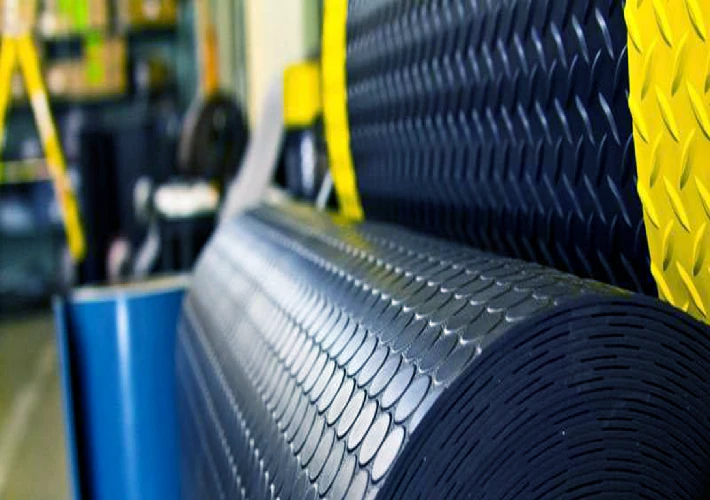

Rubber is a versatile and essential material used across various industries — from automotive and construction to healthcare and consumer goods. But behind every durable tire, flexible hose, or resilient seal lies a precise combination of raw materials that give rubber its unique properties.
In this blog, we’ll explore the top 5 essential rubber raw materials used in rubber manufacturing and understand their roles in creating high-performance rubber products.
1. Natural Rubber (NR)
Source: Derived from the latex sap of the Hevea brasiliensis tree, primarily found in Southeast Asia and parts of Africa and South America.
Key Properties:
- High elasticity and tensile strength
- Excellent abrasion resistance
- Good dynamic performance
Applications: Tires, conveyor belts, vibration dampeners, and medical equipment.
Why It Matters: Natural rubber remains irreplaceable in many applications due to its resilience, low heat build-up, and sustainable origin.
2. Synthetic Rubber (SR)
Types Include:
- Styrene-Butadiene Rubber (SBR)
- Nitrile Rubber (NBR)
- Butyl Rubber (IIR)
- Ethylene Propylene Diene Monomer (EPDM)
Key Properties:
- Customizable for specific performance needs
- Better resistance to oils, chemicals, and aging
- Greater consistency in quality compared to natural rubber
Applications: Automotive seals, hoses, gaskets, footwear, and industrial components.
Why It Matters: Synthetic rubber offers tailored properties for modern industrial demands, making it a vital raw material across sectors.
3. Carbon Black
Type: Fine black powder produced by the incomplete combustion of heavy petroleum products.
Function in Rubber:
- Acts as a reinforcing filler
- Improves strength, durability, and wear resistance
- Provides UV protection
Applications: Tires, belts, hoses, and molded rubber goods.
Why It Matters: Without carbon black, most rubber products wouldn’t have the strength or durability to survive real-world use.
4. Sulfur (Vulcanizing Agent)
Role: Used in the vulcanization process — the chemical reaction that cross-links rubber molecules to enhance elasticity and strength.
Key Benefits:
- Improves elasticity
- Increases heat resistance
- Enhances durability
Applications: Used across almost all rubber manufacturing processes, especially in tires and mechanical goods.
Why It Matters: Vulcanization transforms rubber from a sticky, soft material into a tough, resilient one — and sulfur is the key to that transformation.
5. Processing Oils and Plasticizers
Types:
- Aromatic, naphthenic, and paraffinic oils
- Esters and phosphate-based plasticizers
Purpose:
- Improve workability during processing
- Control hardness and flexibility
- Enhance compatibility between ingredients
Applications: Used in nearly all rubber compounding formulations.
Why It Matters: These ingredients ensure rubber can be molded, shaped, and finished without losing its performance characteristics.
Conclusion
The performance of rubber products doesn’t just depend on the final design — it starts with the raw materials. From the elasticity of natural rubber to the reinforcing power of carbon black and the transformative magic of sulfur, each component plays a critical role.
Understanding these essential raw materials helps manufacturers create better, longer-lasting products and allows businesses to make informed sourcing and production decisions.












Sign in to leave a comment.