

Did you know? As a family practice physician, you must be completely aware of the immediate changes in ICD-10 so that you can implement them in your practice. Also, you must learn about the documentation details that these changes will bring once implemented.
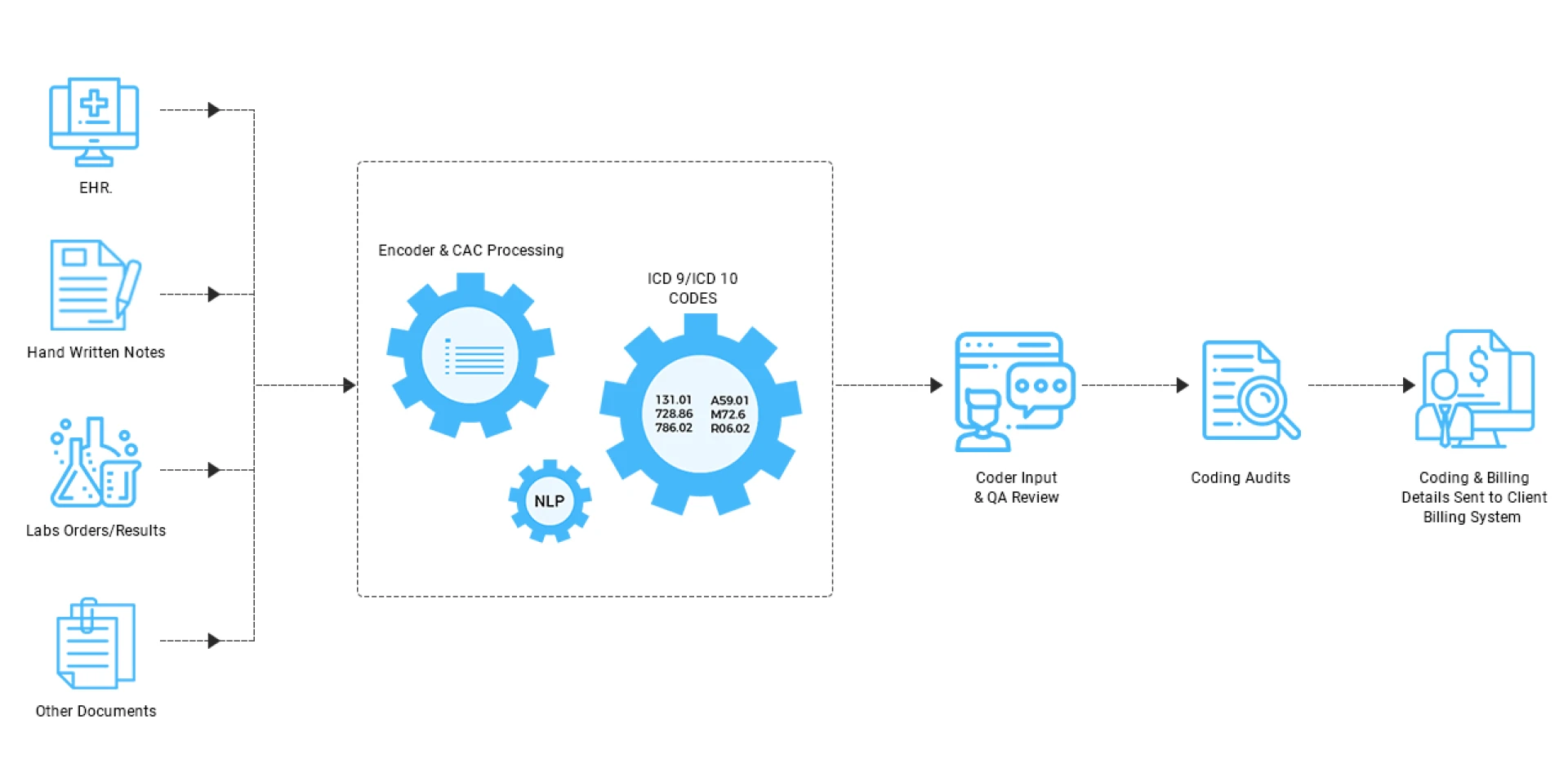
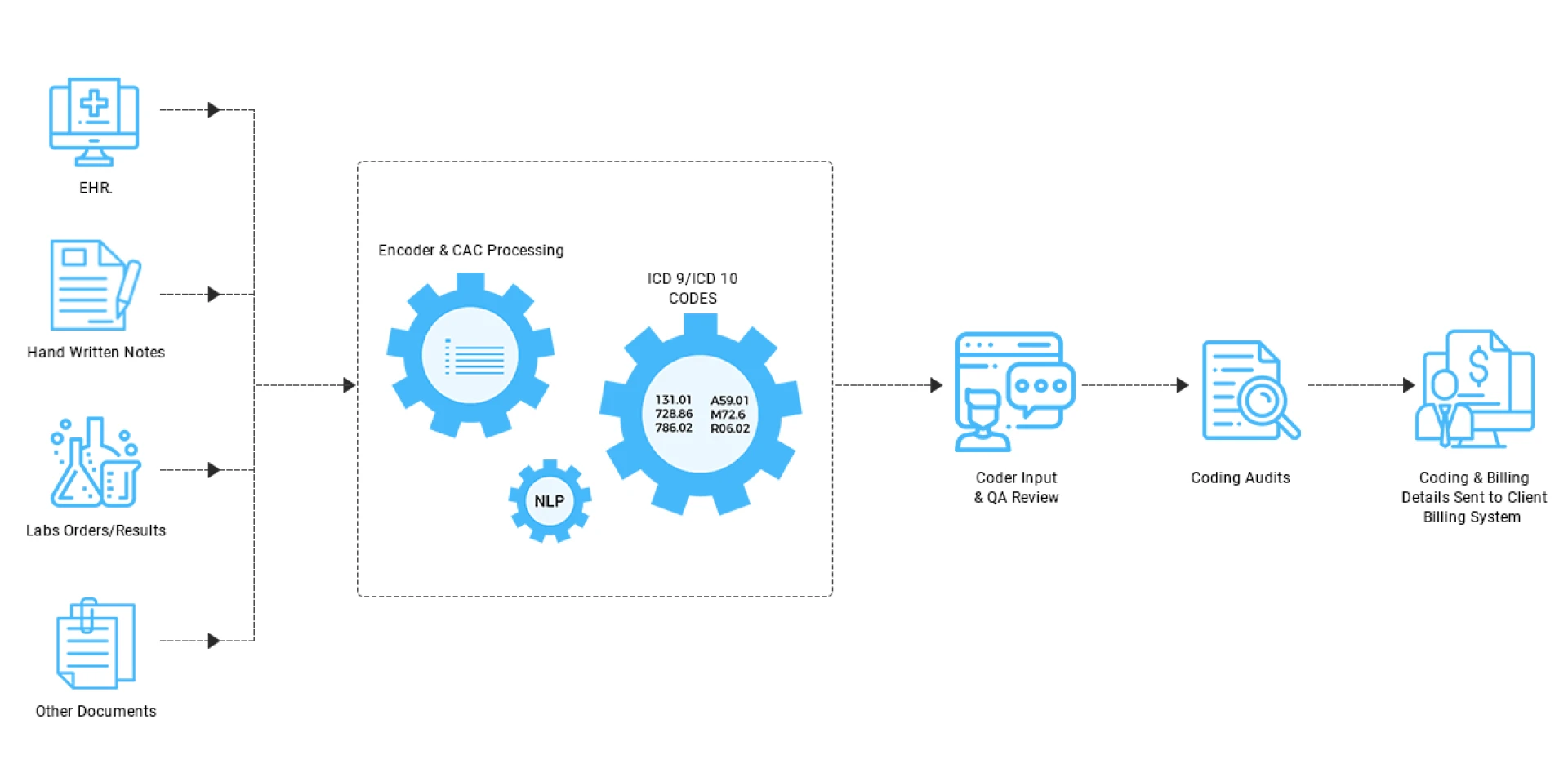
The family practice medical coding process usually takes place in three different formats, i.e.,
The small and the solo physician practices that depend on the superbill, involving the most common diagnosis codes list,The larger practices that rely on the coders to abstract the medical records and add the diagnosis codes that are relevant for the medical claims, andThe EHR practices have an automatic billing process to convert the information from the records directly to the claim forms.However, it is crucial to understand that a one or two-page superbill is not enough to capture all the ICD-10 codes. Also, specific documentation is important for the selection of the correct diagnostic codes.
Furthermore, there are mainly three changes that are implemented in the ICD-10 codes, i.e.,
Definition changes,Terminology differences, andEnhanced specification.As a family practice physician, you must clearly understand these changes to submit the clean claims with correct codes and documentations. For instance, specifying and mentioning the anatomical location along with the laterality is crucial. In fact, more than one-third of the expanded codes deal with the laterality specifications in ICD-10. However, each condition has its specific requirements when it comes to documentation.
Let’s have a look at the ICD-10 documentation requirements for common issues and conditions in the family practices:
Hypertension
Hypertension is defined as primary (essential), and there is no concept of 'malignant or benign' in ICD-10. Therefore, you must include the following in your documentation:
Type (essential or secondary)Casual relationship (renal or pulmonary)Examples of hypertension ICD-10 codes are:
I10: Primary (Essential) hypertensionI11.9: Hypertensive heart disease with no heart failureI15: Secondary hypertensionI15.0: Renovascular hypertensionAsthma
The asthma documentations include:
Cause (cough variant, exercise-induced, related to chemical, smoking, or particulate, occupational)Severity (mild, moderate, or severe persistent)Temporal (acute, intermittent, chronic, persistent, acute exacerbation, status asthmaticus)Examples of asthma ICD-10 codes are:
J45.2: Mild intermittent asthmaJ45.21: with (acute) exacerbation
J45.22: with status asthmaticus
J45.3: Mild persistent asthmaJ45.4: Moderate persistent asthmaJ45.5: Severe persistent asthmaJ45.990: Exercise-induced bronchospasmUnderdosing
Being new to the ICD-10, underdosing allows you to determine whether a patient is taking less medication than prescribed. The underdosing documentations include:
Intention (intentional, unintentional, or non-compliance)Reason for not taking medication (financial hardship, age-related debility)Examples of underdosing ICD-10 codes are:
Z91.11: Non-compliance with a dietary regimenZ91.120: Intentional due to financial issuesZ91.130: Unintentional due to age-related debilityT36.4x6A: Underdosing of tetracyclines, initial encounterT45.526D: Underdosing of antithrombotic drugs, subsequent encounterAbdominal Pain and Tenderness
The abdominal pain documentations include:
Location (right upper or right lower quadrant periumbilical, generalized, or more)Tenderness or pain type (tenderness, rebound, colic)Examples of abdominal pain and tenderness ICD-10 codes are:
R10.811: Right upper quadrant abdominal tendernessR10.815: Periumbilic abdominal tendernessR10.82: Rebound abdominal tendernessR10.83: ColicR10.84: Generalized abdominal painDiabetes Mellitus, Hypoglycemia and Hyperglycemia
The diabetes mellitus codes are the combination of codes that involve what type of diabetes is diagnosed, how the body is affected, and the complications that have affected the patient.
The diabetes documentations include:
Type (type 1 or 2, chemical or drug-induced, due to an underlying condition, gestational)ComplicationsTreatmentYou can now document and code hypoglycemia and hyperglycemia without using the code for "diabetes mellitus." It can also be specified whether the condition is for a procedure or any other physical cause. Although there are no secondary diabetes mellitus, there are specific secondary options.
Some examples of ICD-10 include:
E08.65: Diabetes mellitus because of an underlying condition with hyperglycemiaE09.01: Chemical or drug-induced diabetes mellitus with coma and hyperosmolarityR73.9: Transient post-procedural hyperglycemiaR79.9: Hyperglycemia, unspecifiedInjuries
ICD-9 uses separate E codes for external causes of injury. But ICD-10 incorporates these codes better with the various sectional classifications of the toxins and the poisoning.
The injuries documentations include:
A care episode (initial, subsequent, sequelae)Injury spotEtiology (slip, vehicle crash, fall)Occurrence place (work, school, and alike)Here is an example of the ICD-10 injury code:
Consider a strain injury on the right knee that happened on a private playground when the child jumped off the swing in excitement. The codes in such cases are:
S86.811A - Injury: Strain of other tendon(s) and muscle(s) at lower leg level, right leg, initial encounterW09.1XXA - External cause: Fall from playground swing, initial encounterY92.838 - Place of occurrence: Another recreation area as the place of occurrence of the external causeY93.3 - Activity: Includes rappelling, climbing, and jumping offMore Information at 24/7 Medical Billing Services!
Quality clinical documentation is vital for communicating the intent of the encounter that can also confirm the necessity of the medical purpose. Thereby, being a family practice physician, you must be careful in verifying patient history and the cause circumstances while opting for the ICD-10 code selection under the effective family practice billing. If you're seeking more information or handling your queries, call the 24/7 Medical Billing Services experts at +1-888-502-0537 right now.
About 24/7 Medical Billing Services:
We are a medical billing company that offers ‘24/7 Medical Billing Services’ and support physicians, hospitals, medical institutions and group practices with our end to end medical billing solutions. We help you earn more revenue with our quick and affordable services. Our customized Revenue Cycle Management (RCM) solutions allow physicians to attract additional revenue and reduce administrative burden or losses.
Contact:
24/7 Medical Billing Services
Tel: +1 888-502-0537
Email: info@247medicalbillingservices.com





Sign in to leave a comment.