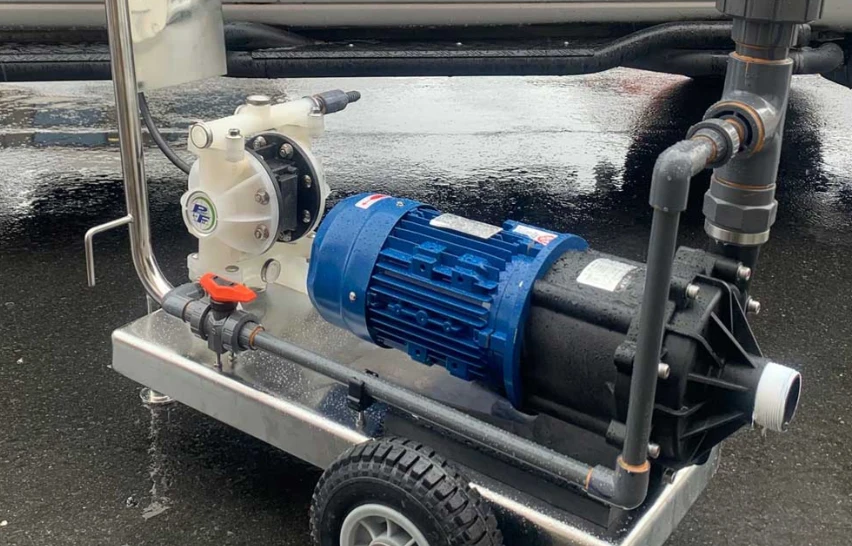
Water management is a critical aspect of New Zealand's infrastructure, given its ever-changing weather patterns and diverse landscapes. Whether for agricultural, industrial, or municipal purposes, effective pump solutions help regulate water flow, ensure reliable access, and manage waste efficiently. In this article, we’ll explore the top 5 pump solutions designed to optimise water management in New Zealand, delivering sustainability, reliability, and cost-effectiveness.
Why Pump Solutions Matter for Water Management in New Zealand
Water scarcity and unpredictable rainfall patterns are growing concerns in New Zealand. Reliable pump solutions are crucial to ensure that agriculture, homes, and industries can continue functioning efficiently. Pumps play a significant role in distributing water for irrigation, wastewater treatment, and stormwater management. With the right pump solutions, New Zealand can meet its environmental goals while providing reliable access to water for all sectors.
The Top 5 Pump Solutions for Efficient Water Management
1. Submersible Pumps for Agricultural Use
Submersible pumps are essential for farmers, especially in areas where water is drawn from deep wells or reservoirs. These pumps operate underwater, offering efficiency for irrigation systems. Durable and energy-efficient, they are ideal for irrigation and livestock watering.
Seasonal droughts or unpredictable rainfall can affect crop yields, but submersible pumps ensure a consistent water supply, boosting agricultural productivity.
2. Centrifugal Pumps for Industrial and Commercial Use
Centrifugal pumps move large volumes of water efficiently and are widely used across industries such as manufacturing, wastewater treatment, and flood control. By converting rotational energy into pressure, these pumps can manage complex water systems reliably.
Industries like mining, food processing, and construction depend on centrifugal pumps to reduce downtime and maintenance costs while maintaining smooth operations.
3. Solar-Powered Pumps for Sustainable Water Management
Solar-powered pumps harness renewable energy, reducing electricity dependence and carbon footprint. They are perfect for remote areas without grid access, often used in irrigation systems, rural water supplies, and decorative water features.
By lowering operating costs and supporting environmental goals, solar-powered pumps are a sustainable choice for modern water management.
4. Diaphragm Pumps for Chemical and Wastewater Management
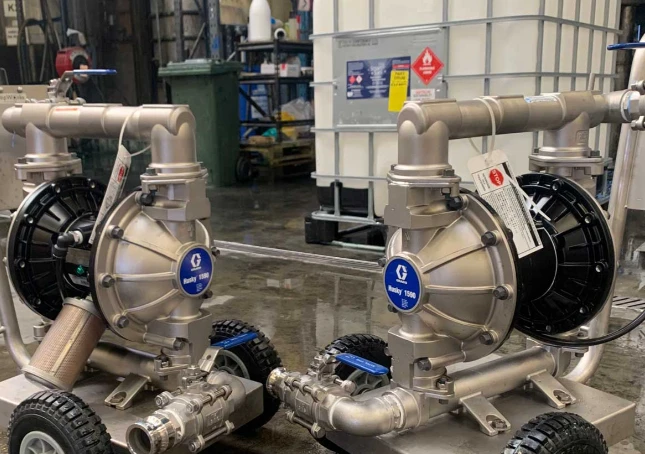
Diaphragm pumps handle hazardous chemicals, high-viscosity liquids, and wastewater efficiently. They are commonly used in wastewater treatment plants and chemical processing industries, where precision and reliability are critical.
Their durability and ability to manage aggressive liquids make diaphragm pumps indispensable for industrial applications in New Zealand.
5. Peristaltic Pumps for Precise Fluid Control
Peristaltic pumps are ideal when precise fluid control is needed. They are often used in dosing systems, food processing, laboratories, and wastewater treatment.
With minimal pulsation and high accuracy, peristaltic pumps ensure consistent fluid flow and reliable performance, even in challenging applications.
Conclusion
Efficient water management is essential for New Zealand’s agriculture, industries, and communities. Choosing the right pump solution can make a significant difference in sustainability, productivity, and cost-efficiency. From submersible pumps that ensure consistent irrigation to solar-powered pumps that harness renewable energy, the top 5 pump solutions discussed in this article offer practical, reliable, and innovative approaches to managing water effectively.
Investing in the right pump solutions not only addresses current water management challenges but also prepares New Zealand for a sustainable future. Whether you are a farmer, industrial operator, or municipality, understanding and implementing these pump solutions is key to optimising water resources and supporting long-term growth.
Frequently Asked Questions (FAQs)
What is the most energy-efficient pump solution for water management?
Solar-powered pumps are the most energy-efficient, especially in remote areas where electricity is limited. They reduce long-term costs and support sustainable practices.
How do centrifugal pumps work?
Centrifugal pumps convert rotational energy into kinetic energy, creating pressure that moves water through pipes. They are efficient and capable of handling large volumes.
Can submersible pumps be used for flood control?
Yes, submersible pumps can handle high water volumes, making them effective for flood control in agricultural and residential areas.
Are diaphragm pumps suitable for handling chemicals?
Yes, diaphragm pumps are designed to handle hazardous chemicals and wastewater safely, making them ideal for industrial applications.
What are the advantages of peristaltic pumps?
Peristaltic pumps offer precise fluid control, minimal pulsation, and reliable operation, making them perfect for sensitive applications like dosing and laboratory work.










Sign in to leave a comment.