
Introduction
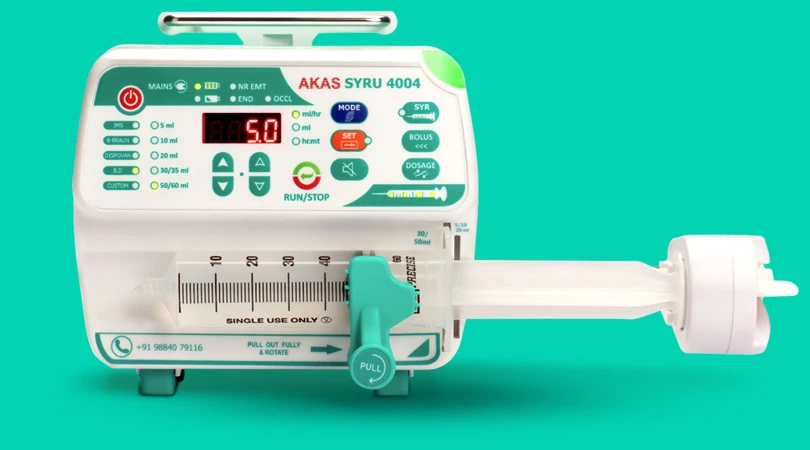
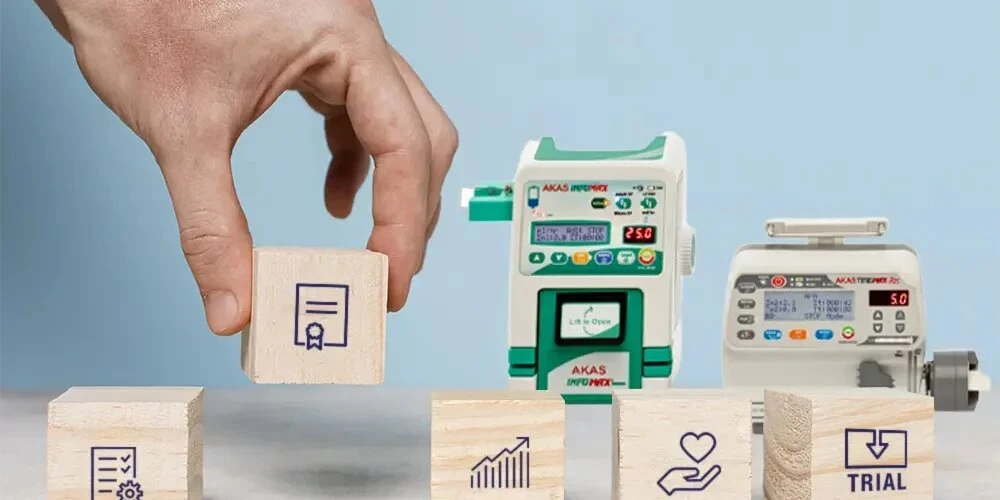
Critical care units are at the heart of hospital operations, providing lifesaving support for patients who require constant monitoring and precision in treatment. Every intervention in these settings must be accurate, timely, and reliable. Among the devices that support such care, the Syringe Infusion Pump plays an essential role in ensuring safe and controlled delivery of drugs. Its ability to administer medication at precise rates makes it indispensable for hospitals, healthcare providers, and clinics.
The growing demands of modern critical care highlight the importance of investing in equipment that prioritises patient safety. With its advanced features and dependable performance, the Syringe Infusion Pump stands out as a trusted partner for medical professionals in these environments.
Enhancing Accuracy in Medication Delivery
- The most important advantage of the Syringe Infusion Pump is its ability to deliver medication with extreme precision.
- Critical care patients often require drugs in exact doses where even a small error can have serious consequences.
- This technology ensures that every millilitre of medication is accurately delivered over the intended time.
A Syringe Infusion Pump minimises the risk of human error in complex dosage calculations. This is particularly vital in emergency situations where multiple medications may be administered simultaneously.
Supporting Critical Care Patients
- Patients in intensive care units often need constant infusion of life-sustaining drugs.
- The Syringe Infusion Pump allows healthcare teams to maintain continuous, stable administration.
- This ensures steady therapeutic levels without the fluctuations that can occur with manual delivery.
The device also supports patients requiring sedation, pain management, or cardiac drugs, where stability can directly influence recovery outcomes.
Key Benefits for Critical Care Units
The use of a Syringe Infusion Pump brings multiple benefits to hospitals and clinics. Its integration into daily practice provides reassurance for both medical staff and patients.
Major benefits include:
- Precision and Control: Delivers drugs at consistent rates, ensuring accurate dosing.
- Patient Safety: Reduces medication errors and supports safe therapy management.
- Time Efficiency: Frees up valuable nursing time by automating drug delivery.
- Adaptability: Suitable for a wide range of drugs, including high-risk medications.
- Support in Emergencies: Provides reliable operation even under high-stress conditions.
- Improved Patient Comfort: Ensures smooth administration, reducing discomfort.
These features make the Syringe Infusion Pump a cornerstone of effective treatment strategies in intensive care.
Reducing the Burden on Healthcare Teams
- Nurses in critical care units manage multiple patients, each requiring different therapies.
- The Syringe Infusion Pump helps reduce workload by automating precise infusion rates.
- This not only enhances efficiency but also allows staff to focus on direct patient care.
The ability to rely on advanced infusion technology reduces stress among medical professionals, contributing to smoother hospital workflows.
Enhancing Safety Through Monitoring
- Modern Syringe Infusion Pump devices include built-in safety alarms and monitoring features.
- These alert staff in case of occlusions, low battery, or deviations in flow rates.
- Such safeguards create an extra layer of protection for vulnerable patients.
Safety features play a crucial role in preventing complications, especially for patients who cannot tolerate even minor interruptions in therapy.
Promoting Better Clinical Outcomes
- Consistency in drug delivery leads to more stable patient conditions.
- The Syringe Infusion Pump allows doctors to achieve desired therapeutic results more effectively.
- This can translate into faster recovery times, reduced complications, and improved patient survival.
For hospitals, these outcomes reflect positively on the quality of care provided, strengthening trust among patients and families.
Adaptability in Various Critical Care Scenarios
A Syringe Infusion Pump is versatile, making it suitable for many critical situations.
- Cardiac Care: For precise infusion of vasoactive drugs to stabilise blood pressure.
- Neurology: For delivering medications that protect the brain in stroke or trauma cases.
- Oncology: For chemotherapy administration that requires steady, controlled dosing.
- Anaesthesia and Pain Management: For continuous delivery during surgeries or palliative care.
- Neonatal Intensive Care: For fragile infants needing microdoses of essential drugs.
Such adaptability makes the pump a universal tool across different hospital departments.
Building Trust in Technology
- The confidence that comes with using a Syringe Infusion Pump reassures both medical staff and patients’ families.
- The accuracy, safety, and dependability of the pump reduce anxiety in high-risk scenarios.
- Hospitals that adopt these devices demonstrate commitment to the highest standards of care.
This trust in technology becomes a cornerstone of patient-centred hospital culture.
Conclusion
Critical care units demand precision, safety, and reliability. The Syringe Infusion Pump fulfils all these needs by ensuring accurate medication delivery, reducing human error, and supporting better clinical outcomes. Its benefits extend beyond patient safety, helping medical staff perform with confidence and efficiency.
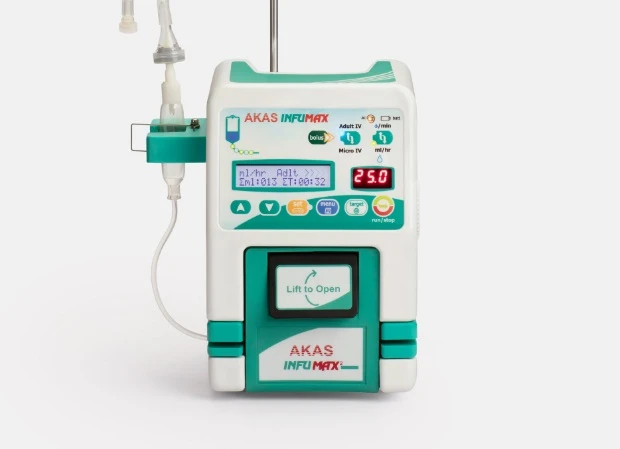
For hospitals and clinics striving to maintain excellence, choosing the right technology is crucial. Akas Infusion stands as a trusted manufacturer of world-class drug delivery devices, including volumetric pumps, ensuring that healthcare providers are equipped with the tools needed to save lives and improve outcomes.



























Sign in to leave a comment.