Introduction
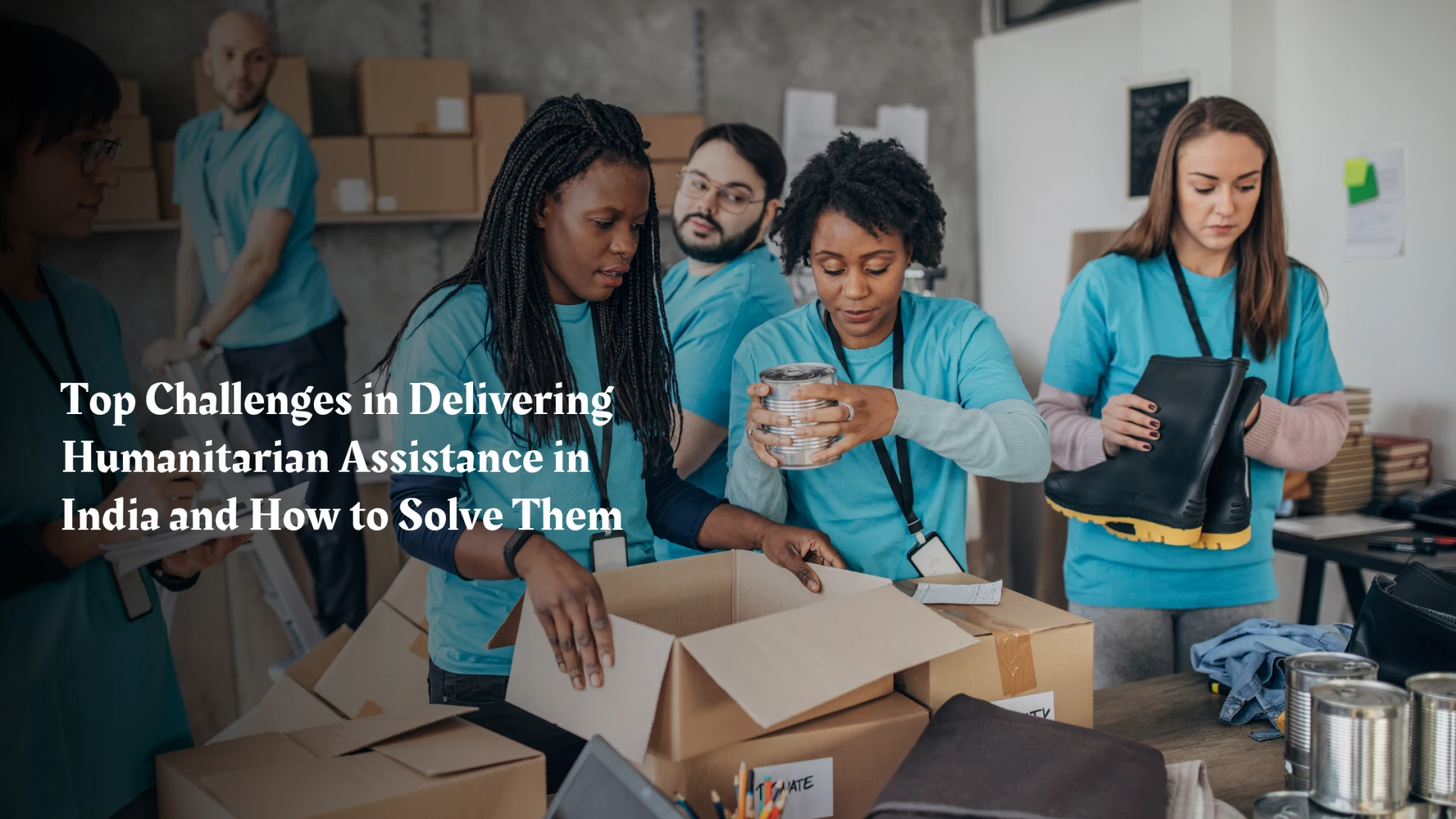
Humanitarian assistance plays a vital role in supporting communities during emergencies and building long-term resilience. Over the years, the approach to crisis response has evolved—shifting from short-term relief to more integrated, community-driven solutions.
While there are challenges in delivering effective humanitarian support, they also present powerful opportunities for innovation, collaboration, and growth. By addressing these gaps strategically, humanitarian systems can become more inclusive, efficient, and impactful.
1. Strengthening Coordination Across Stakeholders
Humanitarian response often involves multiple actors, including civil society organisations, NGOs, and grassroots networks. When coordination improves, the impact multiplies.
Opportunity:
Better collaboration leads to:
- Faster response times
- Efficient resource utilization
- Wider reach
Way Forward:
- Build integrated humanitarian platforms
- Encourage real-time communication and partnerships
- Create shared frameworks for action
2. Leveraging Data for Smarter Decision-Making
Access to reliable data is transforming how humanitarian assistance is delivered. The growing use of data-driven humanitarian platforms is making responses more targeted and effective.
Opportunity:
- Better identification of needs
- Improved transparency
- Faster decision-making
Way Forward:
- Invest in digital tools and analytics
- Strengthen local data ecosystems
- Promote data sharing across organizations
3. Enhancing Last-Mile Connectivity
Reaching every individual in need is a priority—and advancements in local networks are making this more achievable than ever.
Opportunity:
- Stronger grassroots connections
- Increased trust within communities
- More inclusive support systems
Way Forward:
- Empower community resilience organizations
- Collaborate with local leaders and volunteers
- Adopt decentralized delivery models
4. Expanding Social Protection Systems
Robust social protection programs play a key role in ensuring long-term security and stability for vulnerable populations.
Opportunity:
- Greater financial security
- Reduced vulnerability during crises
- Inclusive growth
Way Forward:
- Strengthen social protection and social security systems
- Improve accessibility and awareness
- Design inclusive and scalable programs
5. Unlocking Sustainable Funding Models
Funding is evolving from short-term relief support to long-term investment in resilience and development.
Opportunity:
- More sustainable impact
- Scalable solutions
- Innovation in humanitarian efforts
Way Forward:
- Encourage collaborative funding approaches
- Foster public-private partnerships
- Focus on long-term value creation
6. Promoting Community-Led Action
Communities are not just beneficiaries—they are powerful drivers of change. When people are actively involved, solutions become more effective and sustainable.
Opportunity:
- Stronger ownership
- Culturally relevant solutions
- Long-term resilience
Way Forward:
- Support community-led initiatives
- Build local capacity
- Encourage participatory decision-making
7. Shifting Towards Preparedness and Resilience
The future of humanitarian assistance lies in being proactive rather than reactive. Building resilience ensures communities are better prepared for future challenges.
Opportunity:
- Reduced impact of crises
- Faster recovery
- Stronger systems
Way Forward:
- Invest in disaster preparedness strategies
- Strengthen early warning systems
- Build resilient infrastructure
Conclusion
Humanitarian assistance is entering a transformative phase—one driven by collaboration, innovation, and community empowerment. Each challenge presents an opportunity to build stronger systems that are not only responsive but also resilient and future-ready.
By embracing integrated humanitarian platforms, data-driven solutions, and inclusive social protection programs, organizations can create meaningful and lasting impact.
Initiatives like Community Action Collab reflect this progressive shift—bringing together diverse stakeholders to strengthen community resilience and deliver scalable, effective humanitarian solutions.










Sign in to leave a comment.