

Launching a successful ride-hailing app in 2025 means more than copying Uber’s interface—it requires thoughtful feature planning, seamless functionality, and a user-focused experience. Whether you’re targeting a local, regional, or global market, integrating the right features in your Uber clone app is critical for long-term growth.
In this article, we’ll walk you through the top features that every Uber clone app must include to remain competitive, scalable, and future-ready.
Why Features Matter in an Uber Clone App
A well-built Uber clone app replicates the core ride-booking functionalities but gives you room for customization and innovation. The key to building a strong brand lies in offering a seamless experience to both riders and drivers while ensuring backend efficiency for the admin.
The right features can:
- Enhance user satisfaction and engagement
- Simplify operations and fleet management
- Differentiate your app in saturated markets
- Support monetization and growth
Let’s break down the essential and advanced features every Uber clone app should offer.
Core Features for Riders
1. One-Tap Ride Booking
Users should be able to book a ride with minimal steps. A clean UI with pickup/drop pin selection, estimated fare, and ETA builds trust and speeds up conversion.
2. Real-Time Tracking
Live location updates of the approaching driver and route tracking during the ride keep users informed and secure. Use Google Maps or Mapbox API for this feature.
3. Multiple Payment Options
Support for cards, wallets, UPI, and cash gives riders flexibility. Add Stripe, Razorpay, or PayPal for seamless and secure processing.
4. Fare Estimator
Providing upfront fare estimation helps riders make quicker decisions and avoid confusion post-ride.

5. Ratings and Reviews
Let users rate drivers and provide feedback. It builds a reputation system and helps maintain service quality.
6. Trip History & Receipts
Riders should be able to view all past trips, payment receipts, and download invoices directly from their app dashboard.
7. SOS & Emergency Button
Safety features like panic buttons that alert emergency contacts or law enforcement can be lifesaving and are a must-have in 2025.
Essential Features for Drivers
1. Trip Request Alerts
Drivers should receive real-time requests with pickup/drop locations, fare, and option to accept or decline instantly.
2. Route Navigation
Integrate GPS and traffic APIs to guide drivers with optimized routes and reduce time and fuel costs.
3. Earnings Dashboard
Give drivers access to daily, weekly, and monthly earnings reports. Include bonus tracking and payout history.
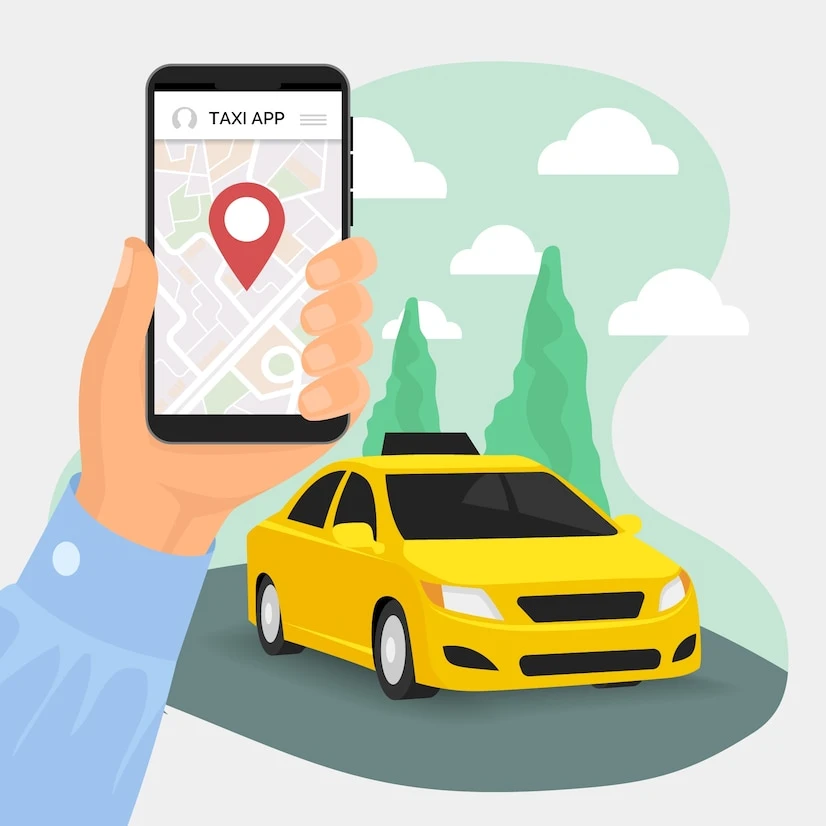
Read More: Roaming Around the Streets: Discover Top 10 Taxi Booking Apps in South Africa
4. Availability Toggle
Drivers should be able to toggle between online and offline status, ensuring control over their work hours.
5. Ratings Management
Allow drivers to view their feedback and overall rating to help improve service and stay motivated.
https://www.youtube.com/watch?v=2EIeGSaLsh4&ab_channel=WhiteLabelFox
Admin Panel Features
1. Rider and Driver Management
Admin should be able to monitor user activity, approve or block accounts, and manage identity verification.
2. Zone & Pricing Control
Create geo-fencing, define operational zones, surge pricing, peak-time charges, and city-based fare configurations.
3. Trip and Revenue Analytics
Get detailed reports on trips completed, earnings, ride cancellations, customer feedback, and more to make data-driven decisions.
4. Commission and Payment Management
Configure driver commissions, issue payouts, and handle refunds or wallet recharges securely from the backend.
5. Promo Codes and Offers
Run discount campaigns, referral programs, or loyalty points directly from the admin panel to attract and retain users.
Advanced Features for Competitive Edge
1. In-App Chat and Calling
Enable anonymous calling and in-app messaging between rider and driver for better communication and privacy.
2. Multi-Language and Multi-Currency
Make your app ready for global use by supporting multiple languages and local currencies, ideal for regional or international expansion.
3. Heat Maps and Driver Insights
Show heatmaps of high-demand zones to help drivers earn more. Combine with analytics like idle time and cancellation patterns.
4. Scheduled Rides
Allow users to book rides in advance—ideal for airport pickups, business meetings, or regular commutes.
5. Wallet Integration
Let users preload wallets and offer cashback or rewards. It speeds up checkout and improves retention.
Technology Behind These Features
To support the features mentioned above, your Uber clone app development should be backed by a modern tech stack. Typical components include:
- Frontend: Flutter or React Native for cross-platform apps
- Backend: Node.js or Laravel for scalable APIs
- Database: MongoDB or PostgreSQL for real-time data handling
- Maps & Navigation: Google Maps SDK or OpenStreetMap
- Payments: Stripe, Razorpay, Braintree
- Notifications: Firebase Cloud Messaging or OneSignal
Why Work with a Clone App Development Company
Partnering with a reliable clone app development company ensures that you get a tested product, built-in features, and customizations tailored to your brand and market.
They’ll assist with:
- White-labeling and branding
- UI/UX customization
- API integrations
- Play Store/App Store deployment
- Post-launch support
FAQs
1. What are the must-have features for an Uber clone app in 2025?
Key features include real-time tracking, fare estimation, multi-payment support, SOS button, and an advanced admin dashboard.
2. How much customization is possible with an Uber clone app?
Most clone apps are fully customizable, including branding, features, UI, pricing models, and integrations based on market needs.
3. Should I include scheduled rides in my Uber clone app?
Yes. Scheduled rides attract corporate clients and users who want to plan ahead—boosting convenience and bookings.
4. What tech stack is best for building an Uber clone app?
Popular choices include Flutter or React Native (frontend), Node.js or Laravel (backend), Firebase (notifications), and Google Maps API.
5. Can I expand my Uber clone app to multiple cities later?
Absolutely. A scalable backend allows you to define multiple operational zones, pricing rules, and service areas as you grow.
Conclusion
Success in the ride-hailing industry depends on more than just launching an app—it’s about delivering an exceptional experience. Including the right features in your Uber clone app ensures that both riders and drivers enjoy convenience, safety, and value. With the support of professional on demand app development services, you can create a high-performing, scalable, and market-ready solution to dominate your local or global market.






























Sign in to leave a comment.