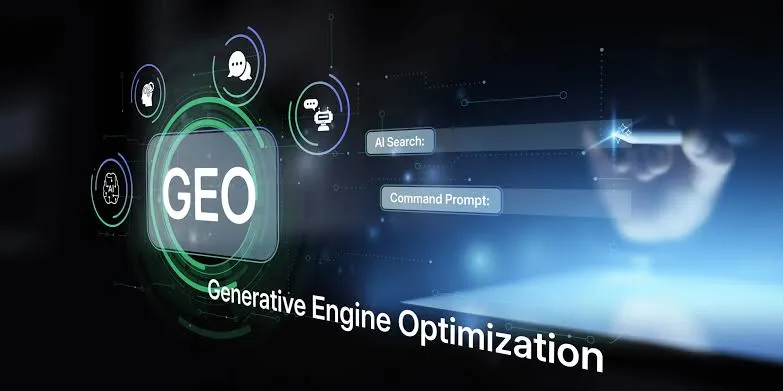

Generative Engine Optimization (GEO) is no longer a buzzword in boardrooms. It is a line item in marketing budgets. When a potential customer asks ChatGPT "Which SaaS HR tool is best for Indian SMBs?" or asks Perplexity "Find me a digital marketing agency in Bangalore," the brand that appears in that AI-generated answer wins the click before it even happens.
This shift is explained clearly in LLMs Don't Read Link Graphs They Read Sentences. The core insight: AI engines build citations from co-occurrence and entity signals, not backlinks. That changes the entire playbook.
Here are the ten tools every Indian marketer should have in their GEO stack right now.
01. Profound
Profound tracks how your brand is represented across major AI engines ChatGPT, Gemini, Claude, and Perplexity. You can monitor share-of-voice in AI answers, identify which competitors are being cited instead of you, and track citation trends over time. For Indian brands investing in thought-leadership, Profound is the measurement layer that makes GEO accountable.
02. Perplexity AI (Pages + Pro Search)
Using Perplexity as a marketer not just a researcher is a skill worth building. Perplexity Pages lets you publish long-form, structured content that Perplexity's own AI cites preferentially. For Indian marketers building category authority, getting a Perplexity Page indexed is a direct path to AI citation in their niche.
03. ChatGPT with Browsing + Memory
ChatGPT in 2026 retains user context across sessions and browses the live web. Indian marketers are using it to draft GEO-optimised content briefs, test how different brands are described by AI, and run rapid content experiments. The GPT-4o model is particularly strong at structured output ideal for generating schema-ready content blocks.
04. Google AI Overviews (Search Labs)
Google's AI Overviews now appear on over 60% of informational queries. Indian marketers who optimise their content for AI Overview citation are capturing position-zero visibility without relying on a featured snippet. The key is structured, authoritative paragraphs with clear source attribution exactly what Answer Engine Optimization targets.
Learn the full AEO framework in What Is Answer Engine Optimization (AEO)? a plain-English guide to the fundamentals.
05. Claude AI (Anthropic)
Claude is increasingly being used by Indian B2B marketers for content that needs careful, factual structuring. Claude evaluates E-E-A-T signals differently from ChatGPT it prioritises cited evidence and coherent entity attribution. Understanding how to write content that Claude and Perplexity will quote is a distinct skill from traditional SEO copywriting.
See Claude SEO: How This AI Tool Is Changing SEO in 2026 for a tactical breakdown of how Claude evaluates and cites content.
06. NotebookLM (Google)
Google's NotebookLM generates Audio Overviews podcast-style summaries of your content. Indian marketers are using this to convert long-form blog posts into podcast episodes distributed on Spotify and Apple Podcasts, which builds topical authority signals across formats. Multi-format presence is an emerging GEO signal.
The workflow behind this is detailed in How I Built a Voice-First Podcast Using NotebookLM a practical, step-by-step guide.
07. Bing Copilot (Microsoft AI)
Bing Copilot is embedded across Microsoft 365, Windows 11, and the Edge browser. For Indian B2B brands targeting enterprise buyers, Copilot is a GEO channel that most competitors are ignoring. Optimising for Bing's citation patterns which mirror OpenAI's models gives early-mover advantage in a less contested space.
08. amionai.com
amionai.com audits how well your website is set up to be cited by AI engines. It checks structured data, content formatting, entity signals, and technical crawlability from an AI perspective. Indian startups and agencies are using it as a pre-launch checklist before new content goes live.
09. Google Search Console (AEO Query Mining)
GSC is free and already installed. The GEO play is using regex filters to extract long-tail question queries the exact language patterns AI engines use to find answers. A well-structured GSC query analysis uncovers hundreds of AEO content opportunities hiding in your existing impression data.
The exact method is documented in GSC Regex for AEO: Mining Long-Tail Questions a 60-day case study with real results.
10. Schema Pro / Rank Math Schema Builder
AI engines read structured data to verify entity relationships, business attributes, and content type. Schema markup is no longer just a Google ranking factor it is the machine-readable layer that tells AI engines who you are, what you do, and why you are credible. Indian marketers who implement complete schema markup get cited more consistently across AI platforms.
For a comprehensive implementation guide, see Schema Markup for Local Business: A Complete Guide.
The Bottom Line for Indian Marketers in 2026
The split between SEO tools and GEO tools is closing fast. The best marketers are not choosing between Google and AI search they are building content that earns citation in both. The tools above are the infrastructure for that dual-channel strategy.
You do not need all twenty. Pick three from each list, implement them with discipline for 90 days, and measure citation growth alongside organic traffic. The compounding effect will be obvious.
If you want an expert to audit your current setup and build a custom GEO + SEO strategy, explore the AI-powered website optimisation service or connect directly to discuss your brand's AI visibility goals.
Frequently Asked Questions
Q: What is the difference between AI SEO tools and GEO tools?
A: AI SEO tools primarily help you rank higher on traditional search engine results pages (SERPs) on Google and Bing using machine learning to speed up keyword research, content optimisation, and technical audits. GEO tools focus on Generative Engine Optimization: ensuring your brand and content are cited by AI-generated answers in ChatGPT, Gemini, Perplexity, and Claude. In 2026, the best stacks include both.
Q: Are these tools suitable for Indian startups with a small budget?
A: Yes. Several tools on both lists are free or low-cost: Google Search Console, Gemini, ChatGPT (free tier), NotebookLM, and Rank Math's free version. Paid tools like Ahrefs and Semrush offer startup-friendly entry plans. A lean stack of three to four well-used tools will outperform a bloated stack of twelve tools used poorly.
Q: How do I know if my content is being cited by AI engines?
A: Use Peec AI or Profound to monitor citations across ChatGPT, Gemini, Claude, and Perplexity. You can also manually test by typing your brand name, target keywords, or pillar topics into each AI engine and checking whether your website, articles, or brand is referenced in the answers.
Q: Is GEO replacing traditional SEO for Indian businesses?
A: Not replacing, expanding. Google still drives the majority of web traffic in India, and traditional SEO fundamentals (Core Web Vitals, E-E-A-T, structured content) are still critical. GEO adds a visibility layer specifically for AI-generated answers. The strategies are complementary, not competitive.
Q: How long does it take to see results from GEO efforts?
A: Citation patterns in AI engines can shift faster than Google rankings. Some content starts appearing in AI answers within 4 to 8 weeks of being indexed and structured correctly. However, building consistent brand mention authority across AI platforms typically takes 3 to 6 months of sustained content and entity signal work.
Q: What is the most important first step for an Indian startup new to GEO?
A: Audit your existing content for AI-readiness: structured headings, clear entity attribution, schema markup, and direct question-answer formatting. Most startups already have content that could rank in AI answers with minor restructuring — no new content required. Start with an AEO content audit before investing in any new tools.

























Sign in to leave a comment.