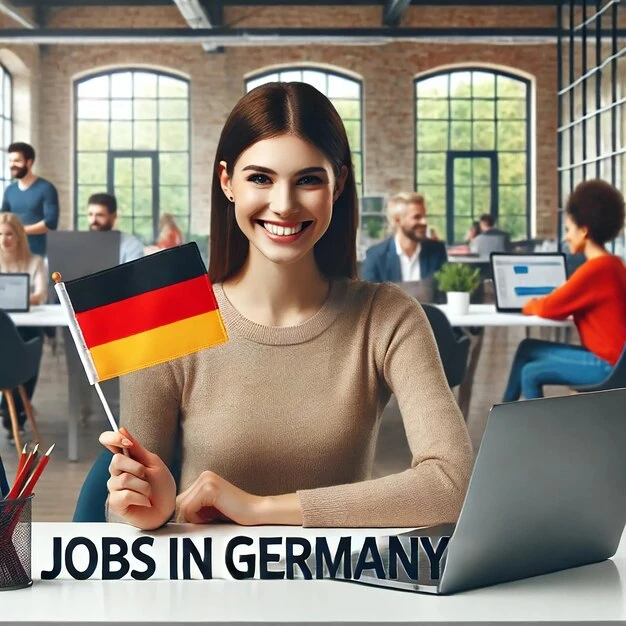

Germany has long been renowned for its engineering excellence, and the country continues to lead the world in sectors like automotive, mechanical, electrical, and civil engineering. With its strong industrial base and emphasis on research and development, Germany provides some of the top highest paying jobs in Germany for skilled engineers. In this article, we explore the lucrative opportunities available for engineers across various specializations, the skills required, and how to carve out a successful career in engineering in Germany.
Why Engineering Is One of the Top Earning Fields in Germany
- Industrial Powerhouse - Germany is home to global engineering giants like Volkswagen, BMW, Siemens, and Bosch. These companies invest heavily in innovation and technology, which creates an ongoing demand for highly skilled engineers.
- High Demand for Specialized Skills - As Germany continues to lead in industries such as automotive manufacturing, renewable energy, and infrastructure, the demand for specialized engineers—particularly in areas like mechatronics, robotics, and automation—is steadily increasing.
- A Commitment to Quality and Innovation - The German engineering sector is known for its high standards, precision, and continuous innovation, rewarding engineers with competitive salaries.
- Strong Job Security and Career Growth - Due to the technical expertise required, engineers in Germany enjoy strong job security, opportunities for advancement, and lucrative pay packages as they progress in their careers.
Top High-Paying Engineering Roles in Germany
Automotive Engineer - Germany's automotive industry is world-renowned, and automotive engineers play a key role in the development of vehicles, from traditional combustion engines to electric cars.
- Responsibilities: Designing, testing, and improving vehicle systems such as engines, transmissions, and safety features.
- Average Salary: €60,000–€120,000 annually; senior engineers and those in research and development can earn upwards of €150,000.
- Key Employers: Volkswagen, BMW, Daimler, Audi.
Mechanical Engineer - Mechanical engineering is one of the most versatile and in-demand fields in Germany. Mechanical engineers are involved in designing machines, tools, and mechanical systems for various industries.
- Responsibilities: Designing machinery, optimizing production processes, and improving product designs.
- Average Salary: €55,000–€100,000 annually.
- High-Paying Industries: Automotive, aerospace, and manufacturing.
Electrical Engineer - Electrical engineers focus on the design, development, and maintenance of electrical systems. With the rise of renewable energy and the increasing demand for smart grids, electrical engineering has become a high-paying field.
- Responsibilities: Designing circuits, overseeing electrical infrastructure, and developing electrical control systems.
- Average Salary: €60,000–€110,000 annually.
- Key Areas of Demand: Renewable energy, telecommunications, and automation.
Civil Engineer - As Germany continues to invest in infrastructure projects, civil engineers are in high demand to plan and oversee the construction of roads, bridges, and buildings.
- Responsibilities: Designing infrastructure projects, ensuring structural integrity, and overseeing construction sites.
- Average Salary: €55,000–€90,000 annually.
- Key Areas: Urban development, transport infrastructure, and sustainable construction.
Mechatronics Engineer - Mechatronics is a multidisciplinary field that combines mechanical, electrical, and software engineering. Mechatronics engineers design and develop automated systems, robotics, and intelligent machines.
- Responsibilities: Designing robots, creating automated systems, and integrating sensors and control systems.
- Average Salary: €60,000–€110,000 annually.
- Key Industries: Robotics, automation, aerospace, and manufacturing.
Energy Engineer - With Germany's commitment to transitioning to renewable energy, energy engineers are crucial in designing and managing energy systems, especially in wind, solar, and hydroelectric power.
- Responsibilities: Designing energy-efficient systems, managing renewable energy projects, and optimizing energy production.
- Average Salary: €60,000–€110,000 annually.
- Growth Areas: Renewable energy, smart grids, and energy storage solutions.
Aerospace Engineer - Aerospace engineers in Germany work on the design, development, and production of aircraft and spacecraft. The demand for these specialists has surged with advancements in air travel technology and space exploration.
- Responsibilities: Designing aircraft, spacecraft, propulsion systems, and working on aerodynamics.
- Average Salary: €70,000–€120,000 annually.
- Key Employers: Airbus, Lufthansa Technik, and the German Aerospace Center (DLR).
Robotics Engineer - Robotics engineers design and develop robots that automate industrial processes, medical procedures, and consumer applications. As automation and AI continue to evolve, the demand for robotics engineers is expected to grow.
- Responsibilities: Developing robotic systems for industrial automation, medical procedures, and service applications.
- Average Salary: €70,000–€130,000 annually.
- Key Industries: Manufacturing, healthcare, and consumer electronics.
Skills and Qualifications Needed for High-Paying Engineering Roles in Germany
- Educational Background - A degree in engineering is a prerequisite for most roles. Engineering programs in Germany typically require strong foundations in mathematics, physics, and problem-solving.
- Advanced Specializations - For higher-paying positions, engineers often pursue further specialization in fields such as mechatronics, robotics, renewable energy, or aeronautics. An MSc or PhD can significantly boost earning potential.
- Language Proficiency - While many companies in Germany have English as their working language, fluency in German can be a significant advantage, especially for client-facing roles or positions requiring interaction with local teams.
- Hands-On Experience - Practical experience through internships or entry-level roles is invaluable. Many companies offer training programs or apprenticeships, which can lead to full-time positions.
- Technical Skills - Engineers need to be proficient in industry-specific software and tools, such as AutoCAD, MATLAB, SolidWorks, or Simulink, depending on their specialization.
- Project Management Abilities - Engineers, especially in senior roles, often need strong project management skills to oversee large projects and coordinate between teams. Experience with Agile methodologies or similar frameworks is beneficial.
Top Cities for Engineering Careers in Germany
- Munich - Munich is a key hub for automotive, aerospace, and industrial engineering. Many major tech and engineering firms are headquartered here, offering excellent career opportunities.
- Stuttgart - Home to major automotive giants like Mercedes-Benz and Porsche, Stuttgart is a prime location for automotive engineers, particularly those specializing in electric vehicles.
- Berlin - As Germany’s startup capital, Berlin offers opportunities for engineers in tech and digital industries, including software engineering, AI, and robotics.
- Frankfurt - Frankfurt is not just Germany’s financial capital but also a growing center for engineering, especially in the fields of energy and telecommunications.
- Hamburg - Hamburg is a hotspot for aerospace engineering, with companies like Airbus offering career opportunities in aircraft design and manufacturing.
How to Secure a High-Paying Engineering Role in Germany
- Gain Relevant Experience - Start with internships or co-op programs to gain hands-on experience in your engineering field. Many leading companies like Bosch, Siemens, and BMW offer internship programs that can lead to permanent roles.
- Pursue Certifications and Specializations - Acquiring certifications in specialized areas such as project management (PMP) or software (e.g., AutoCAD, MATLAB) can help you stand out from the competition.
- Stay Updated with Industry Trends - Engineering fields evolve quickly, and staying informed about emerging technologies like Industry 4.0, AI, and renewable energy will enhance your marketability.
- Network and Build Connections - Attend engineering conferences, job fairs, and industry events to meet potential employers and stay informed about the latest trends and opportunities.
Conclusion
Engineering careers continue to offer some of the top highest paying jobs in Germany. With the country’s strong industrial base and commitment to innovation, skilled engineers can expect lucrative salaries, job security, and ample opportunities for career advancement. Whether you specialize in automotive engineering, electrical systems, or aerospace, the engineering sector in Germany provides an exciting and financially rewarding career path.










Sign in to leave a comment.