

Top IT Solutions in 2025
In 2025, businesses must leverage advanced IT solutions to remain competitive in a rapidly evolving digital landscape. The right IT infrastructure ensures efficiency, security, and scalability while driving business growth and innovation. Below, we outline the top IT solutions every business needs in 2025 to stay ahead.
1. Cloud Computing Solutions
Cloud computing continues to dominate the IT industry, offering scalability, flexibility, and cost efficiency. Businesses need to migrate to cloud-based solutions to improve data storage, collaboration, and security. Key cloud computing models include:
- Public Cloud: Services provided by third-party providers like AWS, Google Cloud, and Microsoft Azure.
- Private Cloud: Exclusive cloud infrastructure tailored for a single organization.
- Hybrid Cloud: A combination of public and private cloud solutions to optimize performance and security.
2. Cybersecurity Solutions
With the rise in cyber threats, robust cybersecurity measures are crucial for businesses. Companies must implement multi-layered security protocols to protect sensitive data. Essential cybersecurity solutions include:
- AI-powered Threat Detection
- Zero Trust Security Framework
- End-to-End Encryption
- Multi-Factor Authentication (MFA)
- Security Information and Event Management (SIEM) Systems
3. Artificial Intelligence and Automation
AI and automation have become indispensable for streamlining operations, enhancing productivity, and improving the customer experience. Businesses need AI-driven tools for:
- Chatbots and Virtual Assistants
- Predictive Analytics for Decision-Making
- AI-Powered Cybersecurity
- Automated Workflow Management
4. Internet of Things (IoT) Integration
IoT enables businesses to connect devices, collect real-time data, and optimize processes. Industries such as healthcare, manufacturing, and logistics benefit from IoT solutions such as:
- Smart Sensors and Connected Devices
- Remote Monitoring Systems
- Supply Chain Optimization
- Predictive Maintenance
5. Data Analytics and Business Intelligence (BI)
Businesses must leverage big data analytics to drive informed decision-making. Business Intelligence (BI) tools provide actionable insights through real-time analytics, data visualization, and machine learning models. Popular BI tools include:
- Google Data Studio
- Tableau
- Microsoft Power BI
- IBM Cognos Analytics
6. Remote Work and Collaboration Tools
The remote work revolution has increased the need for seamless collaboration solutions. Businesses must implement tools that enable virtual communication, document sharing, and project management. Key tools include:
- Microsoft Teams & Slack
- Google Workspace & Zoom
- Trello & Asana
- VPN & Virtual Desktop Infrastructure (VDI)
7. Blockchain Technology for Security & Transparency
Blockchain is transforming industries by providing secure, transparent, and decentralized solutions. Key applications of blockchain include:
- Smart Contracts
- Secure Payment Processing
- Supply Chain Transparency
- Decentralized Cloud Storage
8. Edge Computing for Faster Processing
With the explosion of data-driven applications, businesses require edge computing to process data closer to the source, reducing latency and improving efficiency. Edge computing benefits include:
- Real-Time Data Processing
- Improved Application Performance
- Enhanced Security & Privacy
- Cost Savings on Bandwidth
9. Virtual Reality (VR) & Augmented Reality (AR) Solutions
Businesses are increasingly integrating VR & AR to enhance customer engagement, training, and product visualization. Industries leveraging these technologies include:
- Retail & E-commerce (Virtual Try-On Solutions)
- Real Estate (Virtual Tours)
- Education & Training (Immersive Learning Experiences)
- Healthcare (Medical Simulations)
10. Enterprise Resource Planning (ERP) Systems
ERP solutions help businesses manage resources efficiently by integrating core business processes. Modern ERP systems offer features such as:
- AI-Driven Forecasting
- Automated Inventory Management
- Integrated Accounting & Finance Solutions
- Cloud-Based ERP Solutions
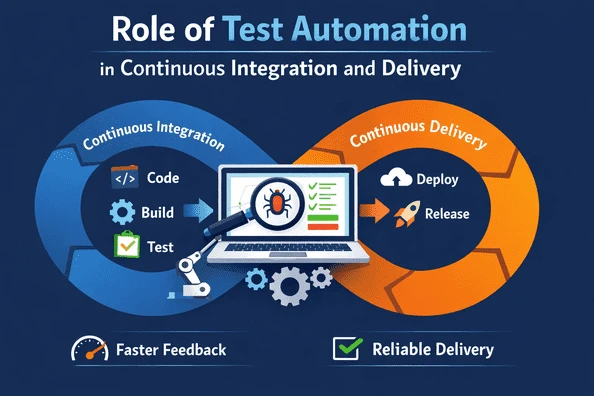
11. DevOps and Agile Development Methodologies
DevOps and Agile practices enhance software development, deployment speed, and operational efficiency. Businesses should adopt:
- Continuous Integration/Continuous Deployment (CI/CD)
- Automated Testing and Quality Assurance
- Cloud-Native Application Development
- Microservices Architecture
12. Software as a Service (SaaS) Applications
SaaS applications offer businesses cost-effective, scalable, and easy-to-use software solutions without the need for complex IT infrastructure. Popular SaaS applications include:
- Customer Relationship Management (CRM) – Salesforce, HubSpot
- Project Management – Monday.com, ClickUp
- Accounting & Finance – QuickBooks, Xero
13. Digital Marketing and SEO Optimization Tools
To stay ahead in the digital landscape, businesses need advanced digital marketing tools for SEO, social media management, and content marketing. Essential tools include:
- Google Analytics & Search Console
- SEMrush & Ahrefs for SEO
- Hootsuite & Buffer for Social Media Management
- Email Marketing – Mailchimp, ConvertKit
Conclusion
The IT landscape in 2025 is driven by innovation, security, and efficiency. Businesses that adopt these cutting-edge IT solutions will gain a competitive edge, enhance productivity, and future-proof their operations. best IT company in Kochi ensures businesses stay ahead by leveraging the latest technology trends, making innovation a necessity rather than an option.























Sign in to leave a comment.