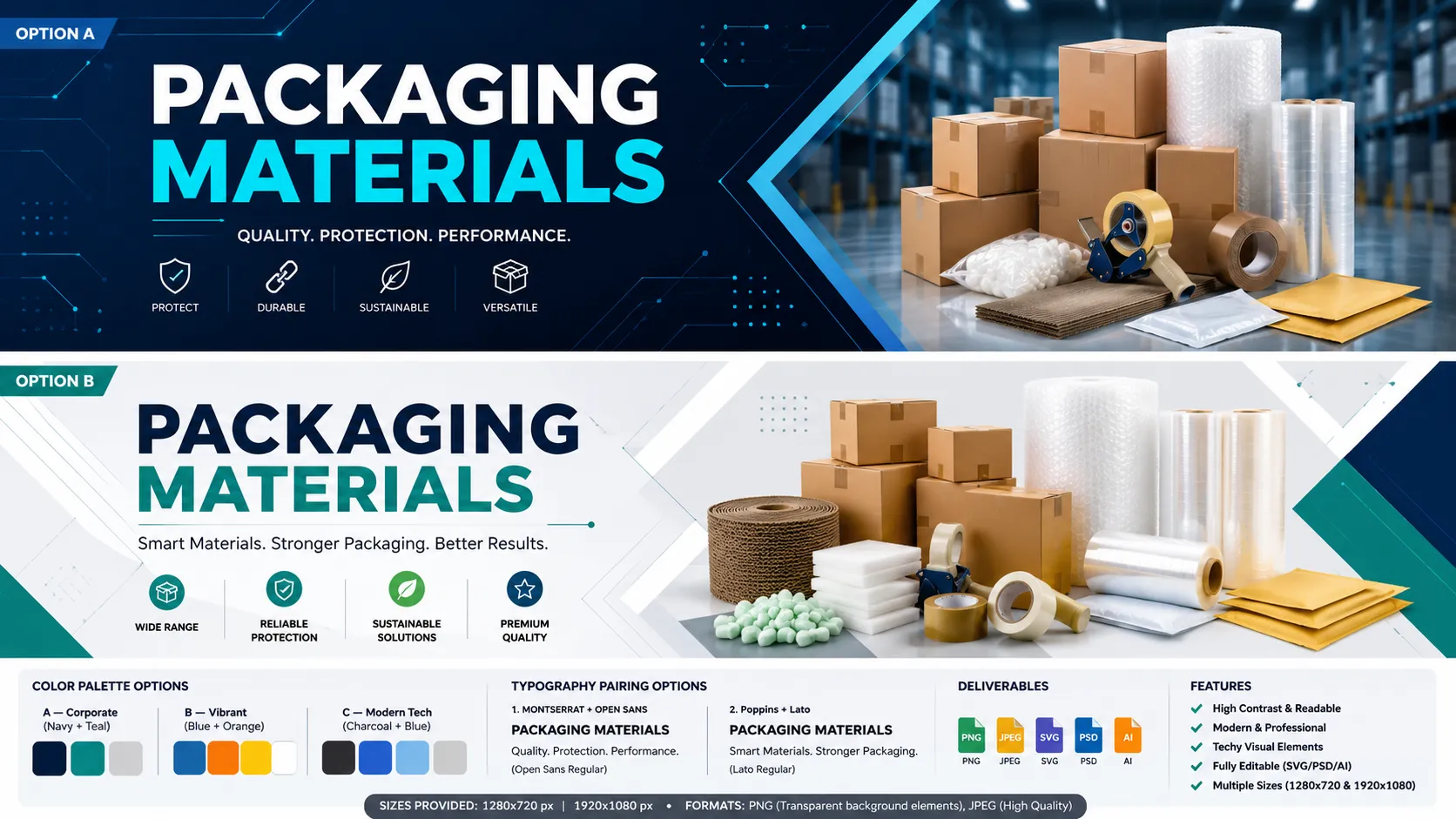

In this guide, you will learn which materials work best for different shipping needs, how to pack products correctly, common mistakes to avoid, and where to find reliable packaging guidance.
What Are the Top Packaging Materials for Safe and Secure Shipping?
Packaging materials are products used to contain, protect, seal, cushion, and transport goods. The right choice depends on the product, package size, shipping distance, handling conditions, and risk of damage.
Common options include corrugated boxes, stretch film, bubble wrap, kraft paper, foam sheets, protective inserts, and sealing tapes. Each material has a different job.
For example, corrugated boxes provide the main outer protection. Bubble wrap can protect fragile items from impact. Stretch film can help stabilize loads on pallets, while strong sealing tape keeps cartons closed during handling.
ISO guidance explains that packaging can support protection, transport, storage, handling, and information needs. Therefore, good packaging is not simply about using more material. It is about using the right material in the right amount.
How to Choose Packaging Materials: 5 Practical Steps
1. Understand the Product
Start by checking what you are shipping. Is it fragile, heavy, sharp, liquid, or sensitive to moisture? A glass product needs more cushioning than a durable plastic item. Also consider the product's shape. Items with unusual shapes may need custom inserts or additional protective layers.
2. Select the Right Outer Box
Choose a box that fits the product without leaving too much empty space. However, avoid forcing an item into a box that is too small. A strong corrugated carton is usually a practical choice for general shipping. Heavy products may require stronger board or reinforced packaging.
3. Add Internal Protection
The empty space inside a carton allows products to move during transportation. Fill this space with suitable cushioning. Bubble wrap, kraft paper, foam, or molded inserts can reduce movement and absorb shocks. For delicate products, wrap each item separately before placing it inside the main carton.
4. Seal the Package Properly
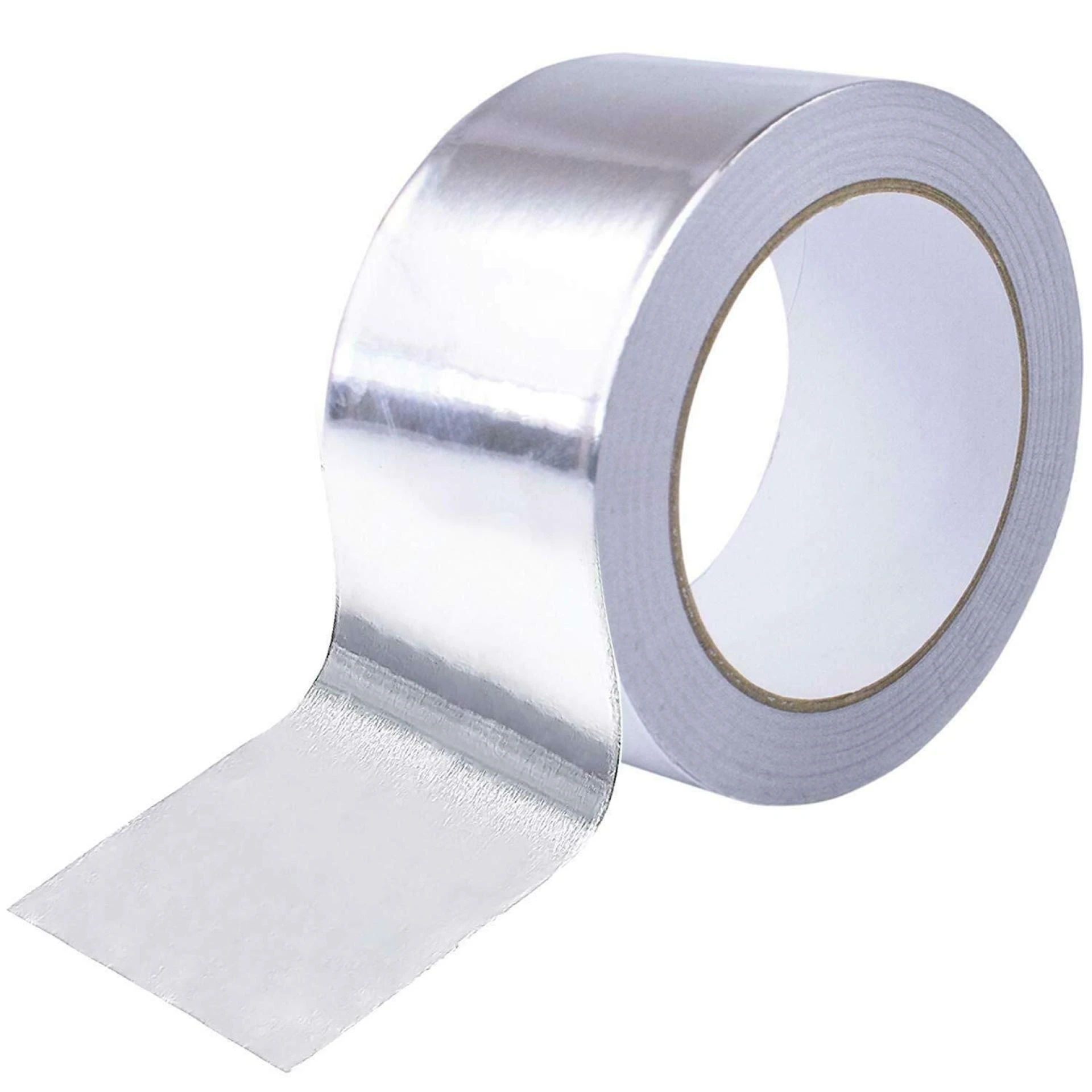
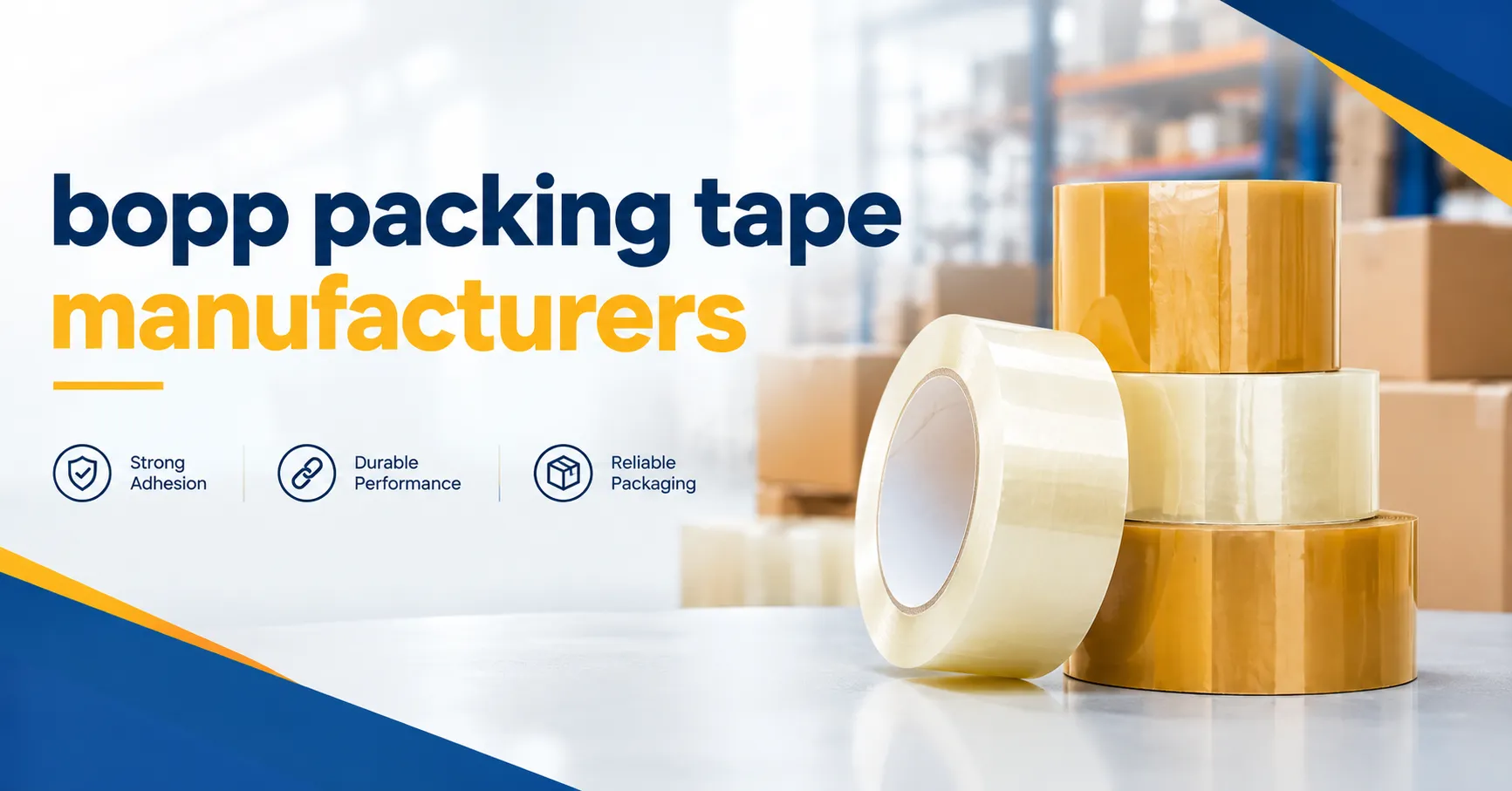
A well-packed box can still fail if the closure is weak. Use suitable packaging tape and apply it firmly across all major carton seams. For heavier shipments, consider reinforced sealing methods. Before dispatch, check that the tape is properly bonded and that no carton flaps are lifting.
5. Test Before Large-Scale Shipping
Before changing your packaging for hundreds or thousands of orders, test it.
Check whether the box remains closed after handling. Look for crushed corners, product movement, moisture exposure, and damaged contents. Small trials can reveal problems before they become expensive.
Common Mistakes to Avoid
One common mistake is choosing packaging based only on price. A cheaper material may cost more if it results in damaged goods. Another mistake is using too much empty space. Products can move freely inside an oversized carton, increasing the chance of impact damage.
Using too little cushioning is another problem. Fragile products need enough protection to handle normal transportation shocks. Finally, avoid ignoring environmental considerations. ISO 18602 recommends optimizing packaging weight and volume while maintaining its required function. The goal should be simple: protect the product without unnecessary material.
Where to Find More Information and Packaging Resources
For reliable technical guidance, start with international standards organizations rather than random online advice. ISO's packaging committee covers terminology, performance requirements, testing, and packaging technologies. Businesses can also review packaging specifications from suppliers and ask for information about material strength, thickness, dimensions, storage requirements, and recommended applications.
Sustainability is another important area to watch. Current packaging development increasingly focuses on material optimization, reuse, recovery, and better material identification. ISO has specific guidance covering these areas. For temperature-sensitive products or specialized shipments, businesses should use packaging designed for the actual transport conditions. ISO 22982-1, for example, addresses temperature-controlled transport packaging for parcel shipping.
Why the Right Packaging Materials Matter for Businesses
Good packaging does more than prevent physical damage. It can improve warehouse handling, reduce product returns, support customer satisfaction, and create a more consistent shipping process. For growing businesses, standardizing packaging sizes and materials can also make packing faster. Teams know which box, protective layer, and sealing method to use for each product. The best approach is to create simple packaging guidelines for different product categories. This makes quality easier to maintain as order volumes increase.
Conclusion: Build a Safer Shipping Process
Choosing the right packaging materials starts with understanding the product and its shipping conditions. From strong cartons and cushioning to stretch film and reliable sealing tape, every material should have a clear purpose. Start by reviewing your current packaging, identify weak points, and test practical improvements. For businesses seeking dependable packaging solutions, explore trusted suppliers and compare material quality, performance, and suitability before making a decision.
FAQs
1. What are the most commonly used packaging materials for shipping?
Common options include corrugated boxes, bubble wrap, kraft paper, foam, stretch film, protective inserts, and packaging tapes. The best combination depends on the product and shipping conditions.
2. How do I choose the right packaging material?
Consider the product's weight, size, fragility, shape, moisture sensitivity, and shipping distance. Then select materials that provide enough protection without unnecessary bulk.
3. Is more packaging always better?
No. Excessive packaging can increase cost, weight, waste, and storage requirements. The aim is to use enough protection to keep the product safe during normal handling and transportation.
4. How can I reduce damage during shipping?
Use a properly sized carton, protect fragile surfaces, fill empty spaces, seal all major seams, and test the package before large-scale shipping.
5. What is the future of packaging materials?
Packaging is increasingly focused on material efficiency, recyclability, reuse, and better identification of materials. Businesses should monitor relevant standards and choose solutions that balance protection, cost, and environmental impact.






















Sign in to leave a comment.