
The most frequent domestic emergency plumbing problems for which customers call a plumber are clogged drains, broken pipes, and gas leaks. Ironically, we can avoid such plumbing crises from occurring in the first place. Indeed, according to emergency residential plumbers in Edmonton, broken pipes and obstructed drains are most commonly caused by plumbing incompetence. Unexpectedly, research shows that we value our automobiles higher than our homes. Why? Just because we neglect to maintain our plumbing systems until we have a plumbing issue, at which point it is too late to repair the damage to our home, while we neglect to service our automobiles once a year.
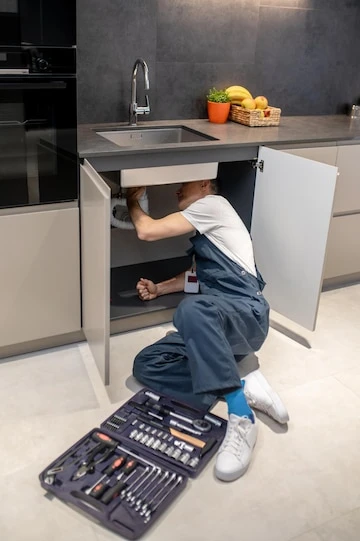
In general, doing periodic preventative maintenance on your home\'s plumbing will not only maintain plumbing fixtures, drains, and pipelines in good condition for a long time, but it will also enable you to identify early issues and get them corrected before they develop into expensive plumbing crises. You may take action to minimize damage in the event of an emergency plumbing crisis, which can also lower your plumbing costs.
The following are the top 5 commonly found emergency plumbing issues leading to repairs:
1. Burst Pipes
Your main goal is to halt the water flow out of the hole until the emergency plumber comes. Find your home\'s main cutoff valve and close it. By disconnecting the water supply to the fixtures and turning off the cutoff valve, the flood will be stopped. Next, switch on cold water faucets to swiftly clear pipes of any water or steam that has become trapped inside. After damage control measures have been taken, contact your plumber to replace or repair the pipe part that has burst.
2. Frozen Pipes
Water expands and may even bust pipes as it freezes in pipes. Shut off the main valve. If the pipe hasn\'t already split, use hot water bottles to thaw it, starting at the end closest to the faucet. To avoid thermal water expansion, which may also rupture the pipe, thawing must be done gently and never with a bare flame. Make sure your pipes are adequately insulated during the winter months as a preventative maintenance measure.
3. Leaky Plumbing Fixtures
Close the individual cutoff valve for the leaking fixture. Examine the trap of the fixture for dirt, hair, soap scum, and food particles that might clog its opening and result in the fixture overflowing. For quick and efficient plumbing repairs, call your emergency plumber.
4. Blocked Drains & Toilets
Make an effort to remove the clog with a plunger or a plumber\'s snake. Call your plumber if these plumbing instruments are unable to remove the obstruction.
5. Gas leaks
If you smell gas, just leave the building. Because gas leaks may be dangerous in the wrong hands, they don\'t lend themselves to do-it-yourself repairs. Once you are outside the house, call the gas company or your emergency plumber. You might try to close the control valve on the gas meter while being guided by a professional.
Pour one cup of baking soda into the drain immediately, followed by around a cup of white vinegar, to keep the drain in your bathtub functioning properly. Given that a chemical reaction should occur in the pipes, cover them with a stopper or cloth. After letting it sit for a while, thoroughly wash it away with hot water. By doing this, you will remove any accumulated soap scum or hair from your pipes.
Make certain that the overflow openings are not blocked up. The purpose of the overflow holes is to prevent the sink from overfilling, which can be a problem if they are clogged. When doing regular plumbing repairs or as part of your annual maintenance, clean the overflow holes.










Sign in to leave a comment.