Quality thermal barrier coatings serve a clear purpose. They slow heat transfer, add a layer of fire resistance, and help buildings meet safety codes. When applied correctly, these coatings protect insulation systems and improve overall building performance. They are not decorative finishes. They are functional materials designed for safety and control.
This article explains what quality thermal barrier coatings actually do, how they work in real buildings, and what decision makers should evaluate before choosing one. The information reflects field experience across residential, commercial, and agricultural structures.
What Thermal Barrier Coatings Are Designed to Do
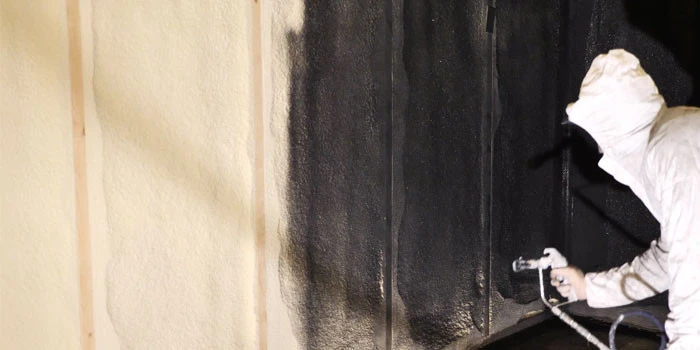
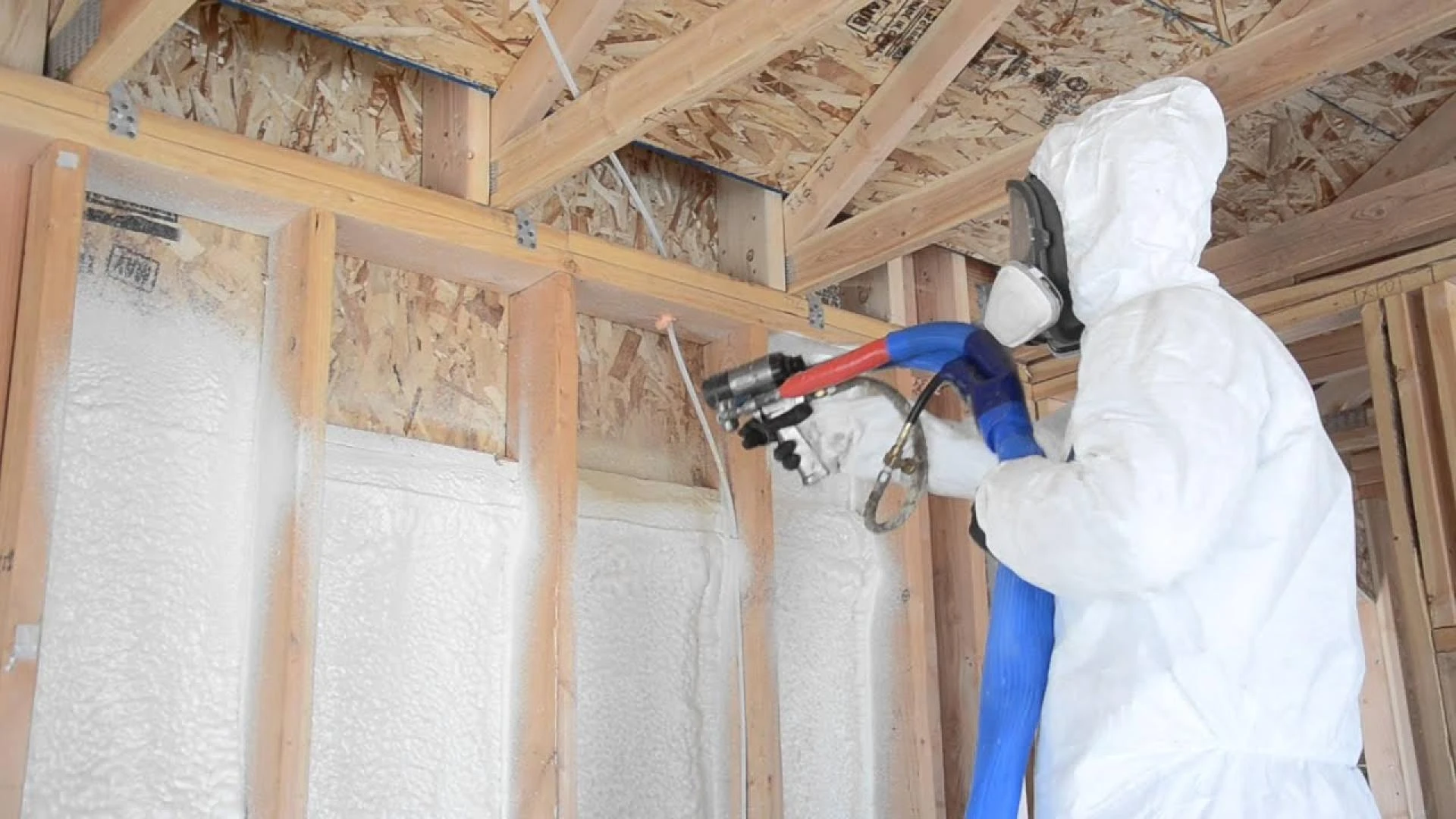
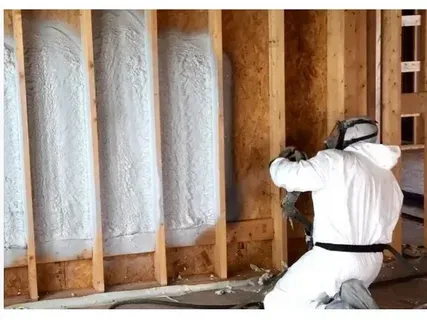
Thermal barrier coatings exist to protect people and property. They cover foam insulation and other materials that could ignite or release smoke during a fire. Most building codes require them in occupied spaces.
Industry data shows that thermal barriers can delay heat penetration for up to 15 minutes during a fire. That time supports safer evacuation and limits the spread.
Primary Safety Function
Thermal barriers slow flame spread and heat rise. They form a protective layer between insulation and the occupied space.
- Reduce ignition risk when insulation is exposed
- Limit heat transfer during fire events
- Support compliance with fire safety standards

Code Compliance Support
Many local and state codes require thermal barriers in walls and ceilings. Proper coatings help projects pass inspections without redesign.
How Quality Coatings Control Heat Transfer
Beyond fire protection, thermal barrier coatings help manage heat movement. They reduce radiant heat flow across surfaces and help stabilize indoor temperatures.
Buildings with coated insulation often see steadier interior conditions. Market data from commercial buildings shows surface temperature reductions of up to 30 percent when thermal barriers are paired with foam insulation.
Reflective and Insulating Properties
Some coatings reflect radiant heat. Others add insulating value. The effect depends on product type and thickness.
Where Heat Control Matters Most
Heat control becomes more noticeable in large open spaces. Warehouses, metal buildings, and agricultural structures benefit the most.
Protection of Underlying Insulation Systems
Insulation performs best when shielded from damage. Thermal barrier coatings protect foam insulation from physical wear, UV exposure, and moisture contact.
This added protection extends insulation life and keeps performance consistent.
Physical Durability Benefits
Quality coatings form a hard or semi-flexible surface that resists impact and abrasion.
- Protects insulation from tools and equipment
- Reduces surface wear in high traffic areas
- Maintains insulation shape and adhesion
Moisture and Air Exposure Control
Some coatings limit vapor movement. This helps in humid or cold climates where condensation causes long-term damage.
Types of Thermal Barrier Coatings and Their Roles
Not all thermal barriers perform the same. Selecting the right type depends on building use, code needs, and environmental conditions.
| Coating Type | Primary Use | Typical Locations | Key Benefit |
|---|---|---|---|
| Intumescent coatings | Fire resistance | Occupied spaces | Expands under heat |
| Cementitious coatings | High durability | Industrial areas | Impact resistance |
| Elastomeric coatings | Flexible protection | Metal buildings | Crack resistance |
Each type serves a specific role. Using the wrong product can lead to failed inspections or poor performance.

Things to Consider Before Making a Decision
Choosing a thermal barrier coating requires more than reading a label. Several pre-decision factors affect long-term results.
- Local fire and building code requirements
- Building use and occupancy type
- Climate conditions such as humidity and temperature swings
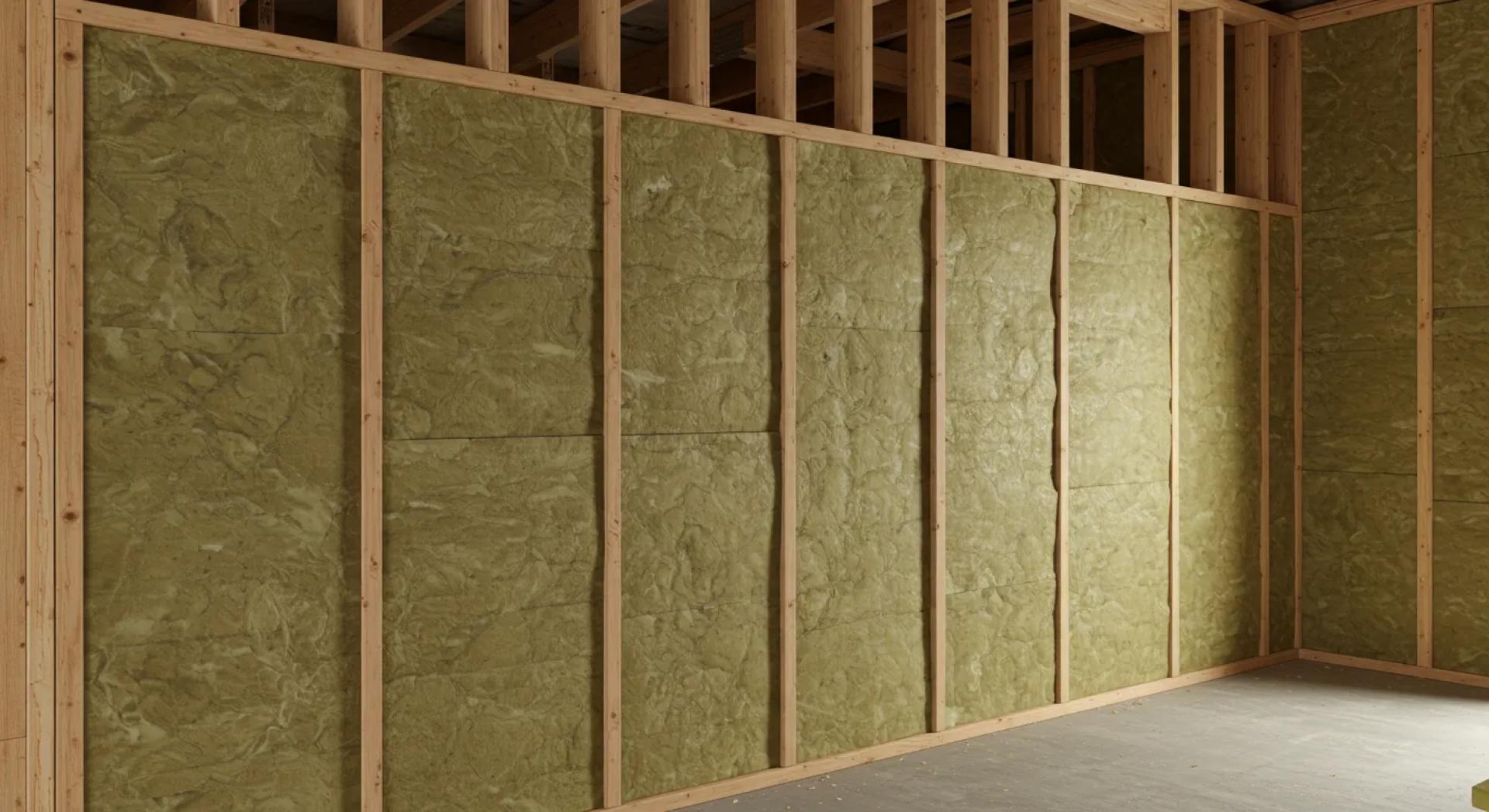
- Compatibility with existing insulation materials
Projects in colder regions often prioritize moisture control. Hot climates focus more on heat reflection and surface durability.
Bonus Tip
- Apply coatings at the manufacturer’s recommended thickness. Thin applications often fail inspections.
- Confirm cure times before allowing building access. Early contact can damage the surface.
- Coordinate coating work after insulation inspection. This avoids rework and added cost.
Extra Note
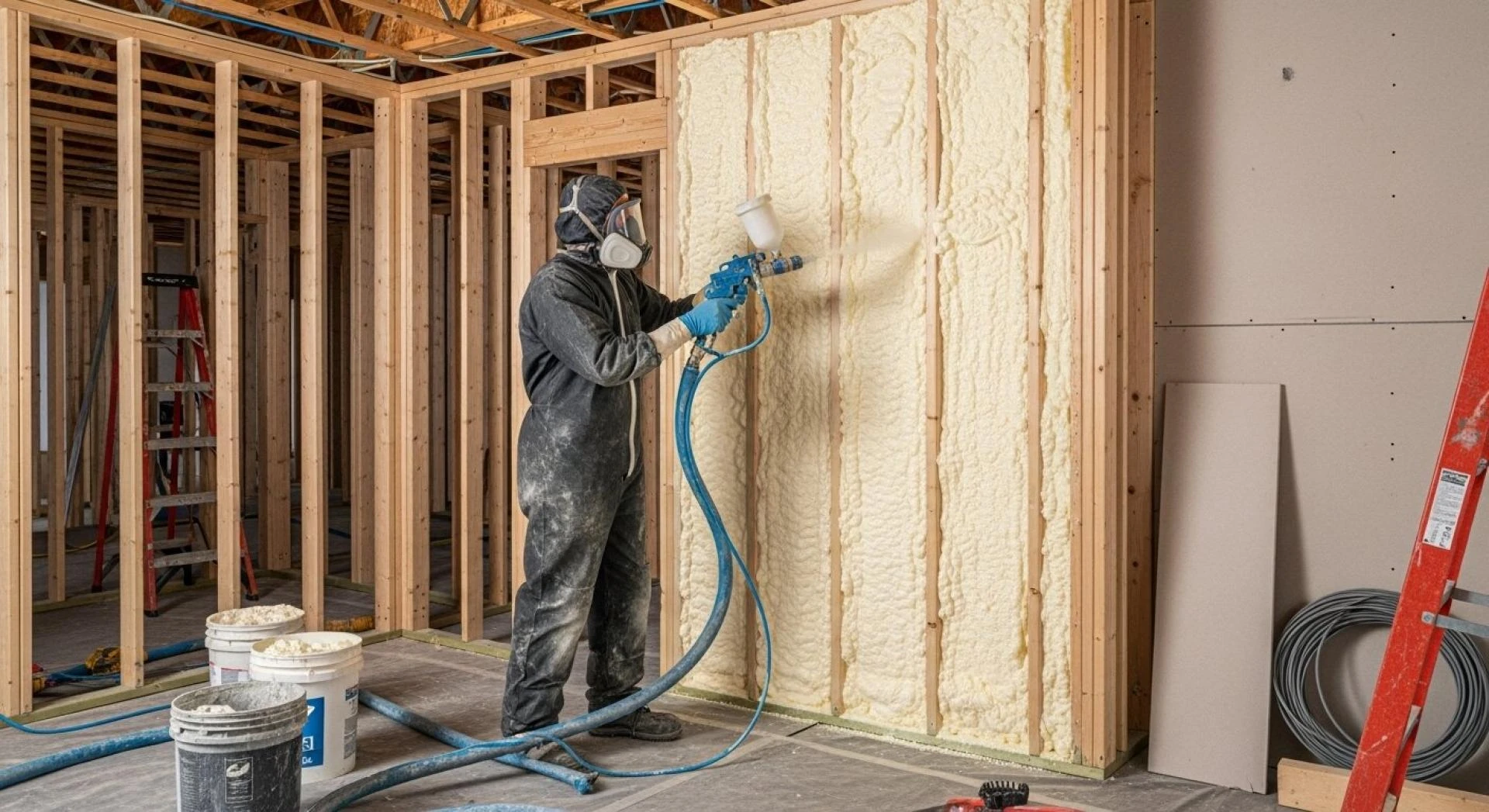
Surface prep matters. Clean and dry insulation surfaces help coatings bond correctly.
Questions About Thermal Barrier Coatings
Are thermal barrier coatings required everywhere?
They are required in most occupied spaces where foam insulation is exposed. Local codes define exact needs.
Do thermal barrier coatings add insulation value?
Some provide minor thermal resistance, but their main role is protection and safety.
How long do thermal barrier coatings last?
Many last the life of the building when applied and maintained correctly.
Can coatings be applied over existing insulation?
Yes, if the insulation surface is clean, dry, and approved for coating use.
Do coatings affect indoor air quality?
Quality products designed for interior use release low emissions once cured.
Final Thoughts on Thermal Barrier Performance
Quality thermal barrier coatings do more than meet code. They protect insulation, slow heat transfer, and support safer buildings. The right choice depends on building type, climate, and safety needs. Decision makers should review conditions carefully before selecting a product.
Next Steps for Property Owners and Builders
Property owners often consult experienced insulation providers to select suitable thermal barrier coatings. Wegner Insulation works with builders and facility managers to review code needs, climate factors, and insulation systems. They help align coating choices with long-term performance goals.
Readers seeking guidance can reach the team at [email protected] or call (406) 607-8476 for more information.
Author: Richard Hall is a construction professional specializing in spray foam insulation and founded his company in 2022 after completing advanced training and certifications.
Reviewer: Alexander Davis has 11 years of experience in spray foam application and reviewed this article to ensure accuracy for residential and commercial projects.
Sign in to leave a comment.