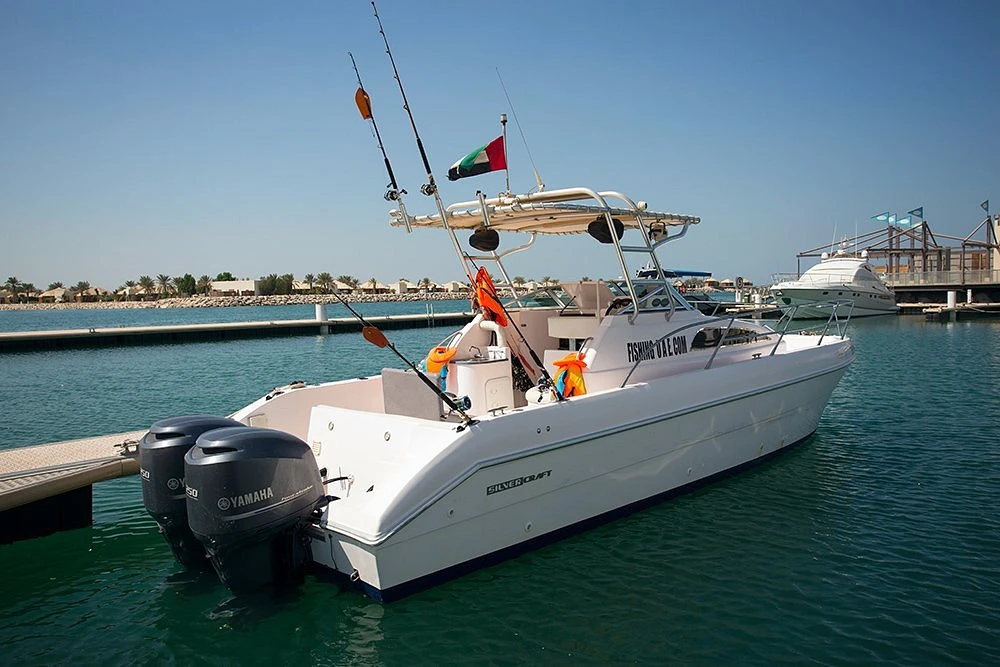
Deep sea fishing is an exciting and rewarding adventure that offers anglers the opportunity to catch some of the biggest and most challenging fish in the world. Whether you’re a seasoned fisherman or a beginner, preparation is key to ensuring a successful trip. From selecting the right fishing gear to understanding the best techniques and knowing how to stay safe on the open sea, there are several factors to consider for a successful deep sea fishing experience. Here are some top tips to help you make the most of your next deep sea fishing adventure.
1. Choose the Right Location
The first step to a successful deep sea fishing trip is choosing the right location. The waters you fish in play a significant role in the kind of fish you’ll catch. Popular deep sea fishing destinations include the Caribbean, Florida Keys, Dubai, and the Pacific Ocean. Each location offers different species, from marlins and sailfish to tuna and shark, so it’s essential to research the best times and places for the type of fish you want to catch.
If you’re fishing from a charter boat, your captain will have detailed knowledge of local waters and the best spots for fishing. Trust their experience and let them guide you to the prime fishing locations.
2. Book a Reputable Charter
For first-time anglers or those unfamiliar with the area, booking a reputable deep sea fishing charter is highly recommended. Professional fishing charters provide everything you need: boats, rods, reels, bait, and an experienced crew who know the local waters inside and out. A good charter will not only provide top-quality equipment but will also increase your chances of success by taking you to the best fishing spots.
When choosing a fishing charter, be sure to check customer reviews and ratings. Look for a crew with a proven track record and a reputation for providing enjoyable, safe, and successful trips.
3. Invest in the Right Gear
Even if you book a fishing charter that provides equipment, it’s essential to know what type of gear is suitable for deep sea fishing. For example, the rods and reels you use for shallow water fishing may not be up to the task in deeper waters where fish are larger and stronger.
Deep sea fishing rods are typically longer, heavier, and designed to withstand the pull of large fish. The reels should have a high line capacity and smooth drag system to prevent snapping. Depending on the species you’re targeting, your captain or guide will recommend specific gear. If you’re using your own, ensure it’s suited for deep sea conditions.
4. Understand the Fishing Techniques
Different techniques are used for deep sea fishing, depending on the type of fish you want to catch. Some of the most common techniques include:
- Trolling: This involves dragging a baited hook behind a moving boat. Trolling is effective for catching fast-swimming fish like marlins, tuna, and sailfish.
- Bottom Fishing: For species like grouper and snapper, bottom fishing involves dropping a baited hook to the ocean floor. This method requires patience, as you’ll be waiting for fish to bite.
- Drifting: When drifting, the boat moves with the current, and you fish with live bait. This technique works well for species that are actively feeding, such as kingfish and mahi-mahi.
Before your trip, make sure you’re familiar with the techniques and how they’ll be applied on your fishing excursion. The crew will guide you, but knowing the basics will help you get the most out of your experience.
5. Pack for Comfort and Safety
Spending a full day on a fishing boat can be physically demanding and expose you to the elements. To ensure your comfort and safety, it’s essential to pack appropriately. Here’s a checklist of must-have items for your deep sea fishing trip:
- Sunscreen: The sun’s rays are intensified on the open sea, so apply a high SPF sunscreen, and bring extra for reapplication throughout the day.
- Water and Snacks: Hydration is key, especially under the sun. Bring a water bottle and some high-energy snacks to keep your energy levels up.
- Motion Sickness Remedies: The open sea can be unpredictable, and some people may experience seasickness. Consider taking motion sickness medication before you head out or bring ginger or other remedies that can help.
- Appropriate Clothing: Wear lightweight, moisture-wicking clothing to keep you cool and dry. Don’t forget a hat, sunglasses, and protective footwear.
- Camera or Smartphone: To capture the unforgettable moments, bring a camera or smartphone. Many charters offer to take photos of your catch, but it’s always nice to have your own memories.
6. Follow Local Fishing Regulations
Before you embark on your deep sea fishing trip, make sure you’re aware of the local fishing regulations, including size limits, bag limits, and any protected species. These regulations are designed to help preserve the marine ecosystem and ensure sustainable fishing practices.
Your fishing charter will typically be familiar with these rules and will make sure that you’re following them, but it’s always a good idea to check local guidelines to avoid any violations.
7. Be Patient and Stay Positive
Fishing can be a test of patience, especially when it comes to deep sea fishing. Fish aren’t always biting, and conditions may change quickly. It's important to remain patient and enjoy the experience of being out on the water. Even if you don’t catch anything, there’s always a chance you’ll reel in the big one at any moment.
Stay positive, enjoy the beauty of the sea, and bond with your fellow anglers. The thrill of deep sea fishing is as much about the adventure and the experience as it is about the catch.
Conclusion
A successful deep sea fishing trip involves careful planning, the right gear, and an understanding of the techniques used to target different species. By selecting the right location, booking a reliable charter, and packing appropriately, you’ll be setting yourself up for an unforgettable adventure. Remember, fishing isn’t just about catching fish—it’s about enjoying the journey and the stunning ocean views that come with it. With these tips in mind, you’re ready to set sail and make your next deep sea fishing trip a memorable one!











Sign in to leave a comment.