
In today’s rapidly evolving digital landscape, IoT application development services have become a cornerstone for innovation and efficiency across various industries. The Internet of Things (IoT) is transforming the way we interact with technology, offering unprecedented levels of connectivity and intelligence to everyday devices. As businesses and organizations seek to harness the potential of IoT, understanding the latest trends and innovations in IoT application development is crucial. This blog explores the most significant trends shaping the future of IoT and how development services are driving this transformation.
The Rise of Intelligent IoT Solutions
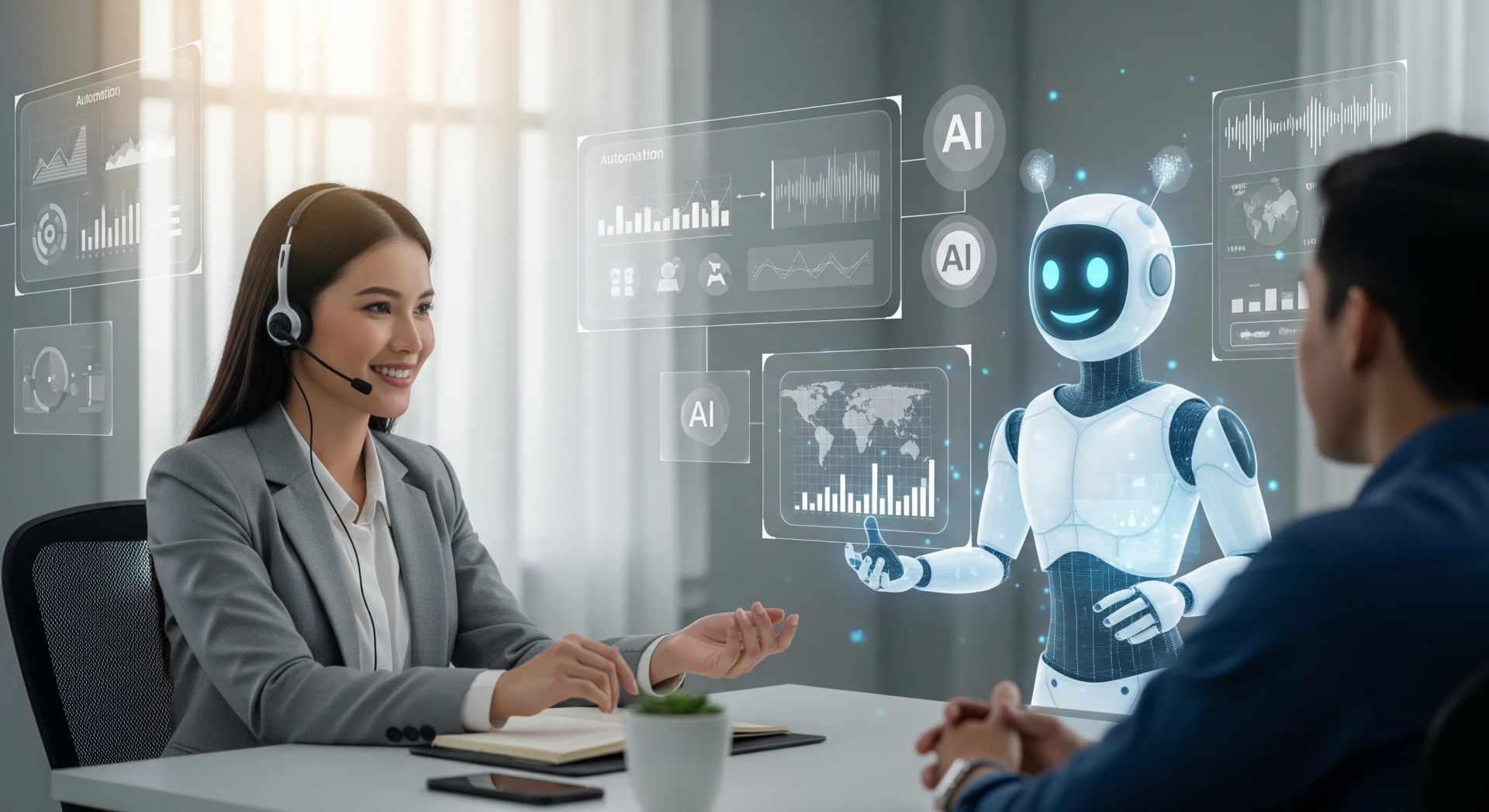
One of the most notable trends in IoT application development services is the increasing focus on intelligent IoT solutions. Artificial Intelligence (AI) and Machine Learning (ML) are becoming integral to IoT applications, enabling devices to make data-driven decisions and improve their functionality autonomously. These intelligent systems can analyze vast amounts of data in real-time, providing actionable insights and enhancing the overall user experience.
For instance, in smart homes, AI-powered IoT devices can learn user preferences and adjust settings automatically, creating a more personalized living environment. In industrial settings, predictive maintenance powered by AI can foresee equipment failures before they occur, reducing downtime and saving costs. IoT application development services are essential for integrating these advanced technologies into practical, user-friendly solutions.
Edge Computing: Enhancing IoT Efficiency
Another critical trend is the adoption of edge computing in IoT application development. Edge computing refers to processing data closer to the source rather than relying solely on centralized cloud servers. This approach reduces latency, improves response times, and decreases the amount of data transmitted over networks.
With the proliferation of IoT devices generating vast amounts of data, edge computing helps manage this data more efficiently. By performing computations locally on devices or nearby edge servers, IoT applications can deliver faster and more reliable performance. This is particularly important for applications requiring real-time responses, such as autonomous vehicles or industrial automation systems.
IoT Security: A Growing Priority
As IoT devices become more prevalent, security remains a paramount concern. IoT application development services are increasingly focusing on implementing robust security measures to protect devices and data from potential threats. With the rise of cyber-attacks targeting IoT systems, ensuring data integrity and device security is crucial.
Developers are adopting advanced encryption techniques, secure communication protocols, and continuous monitoring to safeguard IoT environments. Regular software updates and vulnerability assessments are also essential practices to address emerging threats. By prioritizing IoT security, development services can build trust and reliability into their solutions, safeguarding both users and data.
Interoperability and Standardization: Bridging the Gap
The diverse range of IoT devices and platforms often leads to challenges in interoperability and standardization. IoT application development services are working towards creating solutions that can seamlessly integrate with various devices and systems. Standardization efforts aim to ensure compatibility and facilitate smoother communication between different IoT components.
Protocols and frameworks like MQTT (Message Queuing Telemetry Transport) and CoAP (Constrained Application Protocol) are being adopted to enhance interoperability. By aligning with these standards, developers can create applications that work harmoniously across different environments, providing a unified and efficient user experience.
Sustainability Through IoT: A New Paradigm
Sustainability is becoming a significant focus in IoT application development services. IoT solutions are being designed to promote environmental responsibility and resource efficiency. Smart grids, for example, leverage IoT technology to optimize energy consumption and reduce waste. Similarly, smart agriculture applications use IoT to monitor and manage resources more effectively, minimizing environmental impact.
Developers are increasingly incorporating sustainable practices into their IoT applications, aligning with global efforts to combat climate change and promote green technology. By creating solutions that support sustainability, IoT application development services contribute to a more eco-friendly future.
Conclusion
The landscape of IoT application development services is continuously evolving, driven by advancements in technology and changing user needs. From intelligent solutions and edge computing to enhanced security and sustainability, these trends are shaping the future of IoT. As businesses and organizations embrace these innovations, IoT application development services play a crucial role in bringing these cutting-edge technologies to life.
By staying informed about the latest trends and incorporating them into their strategies, developers and businesses can harness the full potential of IoT and drive transformative change across various sectors.

















Sign in to leave a comment.