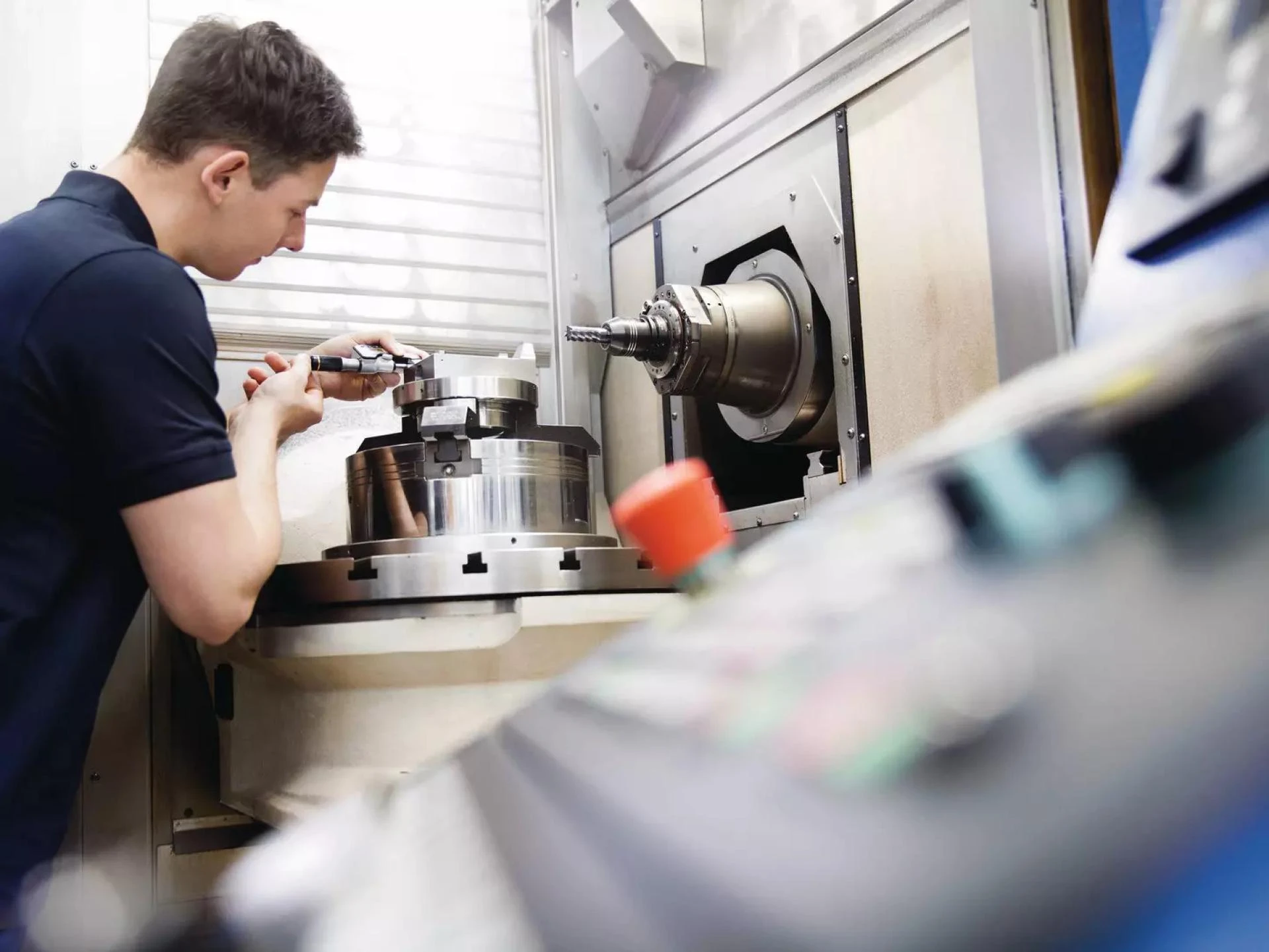

The manufacturing industry is undergoing a dramatic transformation. As competition intensifies and customer demands evolve, industries are shifting toward smarter, more efficient, and highly adaptive production methods. At the heart of this transformation lies automation technology—a force that is redefining the way factories operate, products are built, and resources are managed.
Modern automation is not only about replacing manual labor but also about integrating intelligence, precision, and adaptability into every aspect of the production process. From sensors that enable real-time decision-making to robotics that enhance collaboration, the innovations shaping automation are empowering manufacturers to reduce costs, improve productivity, and achieve unprecedented levels of quality. Among these advancements, torque sensors and other smart components play a pivotal role in ensuring that automated systems are both accurate and reliable.
This article explores the top trends in automation technology that are driving smarter manufacturing and setting the stage for Industry 4.0.
1. Integration of Smart Sensors
Smart sensors are the building blocks of intelligent manufacturing. By capturing and transmitting real-time data, they allow machines to monitor themselves, detect anomalies, and optimize performance. Among them, torque sensors stand out for their ability to measure rotational force with high accuracy. These sensors are vital in applications such as assembly lines, robotics, and automotive manufacturing, where maintaining precise torque levels ensures product safety and performance.
The shift toward sensor-driven systems means machines can self-correct during operation, reducing downtime and improving efficiency. For manufacturers, this translates into lower maintenance costs and higher consistency across production lines.
2. Collaborative Robotics (Cobots)
Robots are no longer isolated machines working behind safety barriers. Collaborative robots, or cobots, are designed to operate alongside human workers, enhancing efficiency and reducing physical strain. With the help of advanced automation technology, cobots can perform repetitive tasks while humans focus on complex or creative work.
Safety features such as force and torque sensors ensure cobots detect human presence, slowing or stopping operations to prevent accidents. This fusion of robotics and human ingenuity creates a more flexible and productive work environment.
3. Artificial Intelligence and Machine Learning
Artificial intelligence (AI) is no longer futuristic—it’s already embedded in today’s factories. AI-powered systems analyze massive amounts of production data to predict equipment failures, optimize workflows, and reduce waste. Machine learning algorithms enable continuous improvement, allowing systems to adapt based on historical and real-time data.
When combined with advanced sensors like torque sensors, AI can fine-tune processes to maintain optimal performance. For example, a robotic arm in an automotive assembly line can automatically adjust torque levels for each fastening operation, ensuring consistent quality.
4. Industrial Internet of Things (IIoT)
The Industrial Internet of Things (IIoT) is one of the most significant shifts in automation technology. By connecting machines, devices, and systems through a network, IIoT creates a smart ecosystem where information flows seamlessly across production lines.
In this connected environment, torque sensors, temperature monitors, and vibration detectors provide real-time insights into machine health. Predictive maintenance becomes possible, allowing manufacturers to fix issues before they lead to costly breakdowns. The IIoT not only increases operational efficiency but also reduces downtime and extends equipment lifespan.
5. Digital Twins
A digital twin is a virtual replica of a physical system or process. In manufacturing, digital twins simulate machinery, production lines, and even entire factories. By leveraging data from smart sensors and connected devices, digital twins allow manufacturers to test changes, predict outcomes, and optimize operations without disrupting actual production.
For example, torque levels measured by torque sensors can feed into a digital twin of an assembly line, enabling engineers to model how adjustments might impact efficiency or product quality. This creates a safer, faster, and more cost-effective way to innovate.
Also Read:- How PCB Laser Depaneling Improves Efficiency in PCB Production
6. Advanced Robotics and Automation Systems
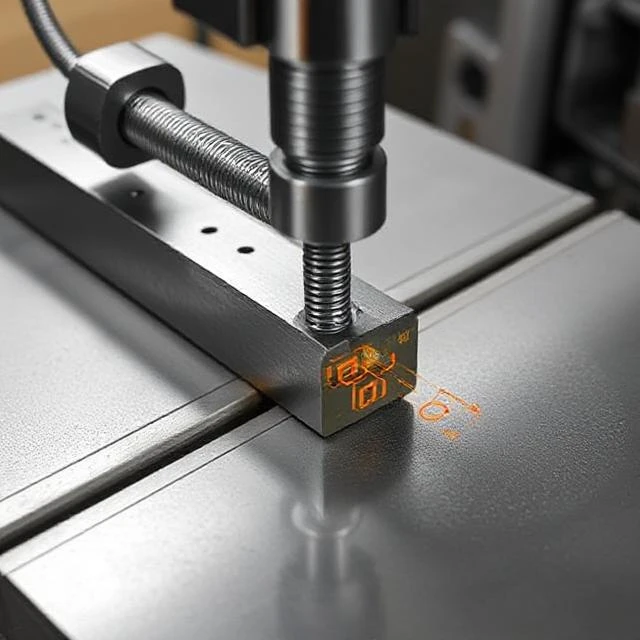
Beyond cobots, advanced robotics are taking over highly complex manufacturing tasks. These robots are equipped with enhanced vision systems, multi-axis mobility, and precision controls. Coupled with automation technology, they can perform intricate operations such as micro-assembly in electronics or heavy-duty tasks in aerospace.
Torque sensors are integral to these robots, enabling them to apply precise force during fastening, gripping, or machining. This ensures that delicate components are not damaged and that every product meets stringent quality standards.
7. Human-Machine Interfaces (HMI)
The rise of intuitive human-machine interfaces makes it easier for operators to interact with advanced manufacturing systems. Modern HMIs use touchscreens, voice commands, and even augmented reality (AR) to streamline communication between humans and machines.
Operators can monitor torque levels, machine status, and production metrics in real time, ensuring greater control and reducing the learning curve for complex machinery. When paired with AI, these interfaces empower operators to make informed decisions faster.
8. Sustainability and Green Manufacturing
Sustainability is no longer optional; it is a priority for modern manufacturing. Automation technology is driving greener processes by minimizing waste, reducing energy consumption, and improving resource efficiency. For example, torque-controlled assembly ensures components are tightened correctly the first time, reducing scrap and rework.
Manufacturers are also integrating renewable energy sources, efficient production scheduling, and sustainable materials into their operations. Smart tools like torque sensors ensure these goals are met without compromising on product quality or reliability.
9. Additive Manufacturing and Hybrid Systems
Additive manufacturing, or 3D printing, is being integrated with traditional machining and automated systems to create hybrid solutions. These systems offer flexibility in design while maintaining precision in production.
Automation ensures additive processes are consistent, while torque sensors and machining tools provide the accuracy needed for post-processing. This hybrid approach enables manufacturers to experiment with new materials, reduce lead times, and customize products at scale.
10. Cybersecurity in Automation
As factories become more connected, cybersecurity is a growing concern. With IIoT and smart sensors transmitting sensitive data, protecting systems from cyber threats is critical. Modern automation technology integrates advanced security protocols to safeguard data and ensure the integrity of manufacturing operations.
Torque-sensitive data, for instance, could be crucial for industries like automotive or aerospace. Any compromise in such information could affect safety. Therefore, manufacturers are prioritizing secure networks and encrypted communication in their automation strategies.
Conclusion
The evolution of automation technology is revolutionizing smarter manufacturing, making it more precise, efficient, and sustainable than ever before. From smart sensors and AI to IIoT and digital twins, the trends driving Industry 4.0 are reshaping how products are designed, produced, and delivered. Among these innovations, the role of torque sensors stands out, providing the accuracy and reliability needed to ensure safety and consistency in modern production lines.
As industries continue to adopt these advancements, they are not only gaining a competitive edge but also laying the foundation for a more sustainable and intelligent future. Leading companies like Schunk are at the forefront of this transformation, offering cutting-edge gripping systems, clamping technologies, and automation solutions. By combining precision engineering with innovation, Schunk empowers manufacturers worldwide to embrace smarter automation with confidence.



























Sign in to leave a comment.