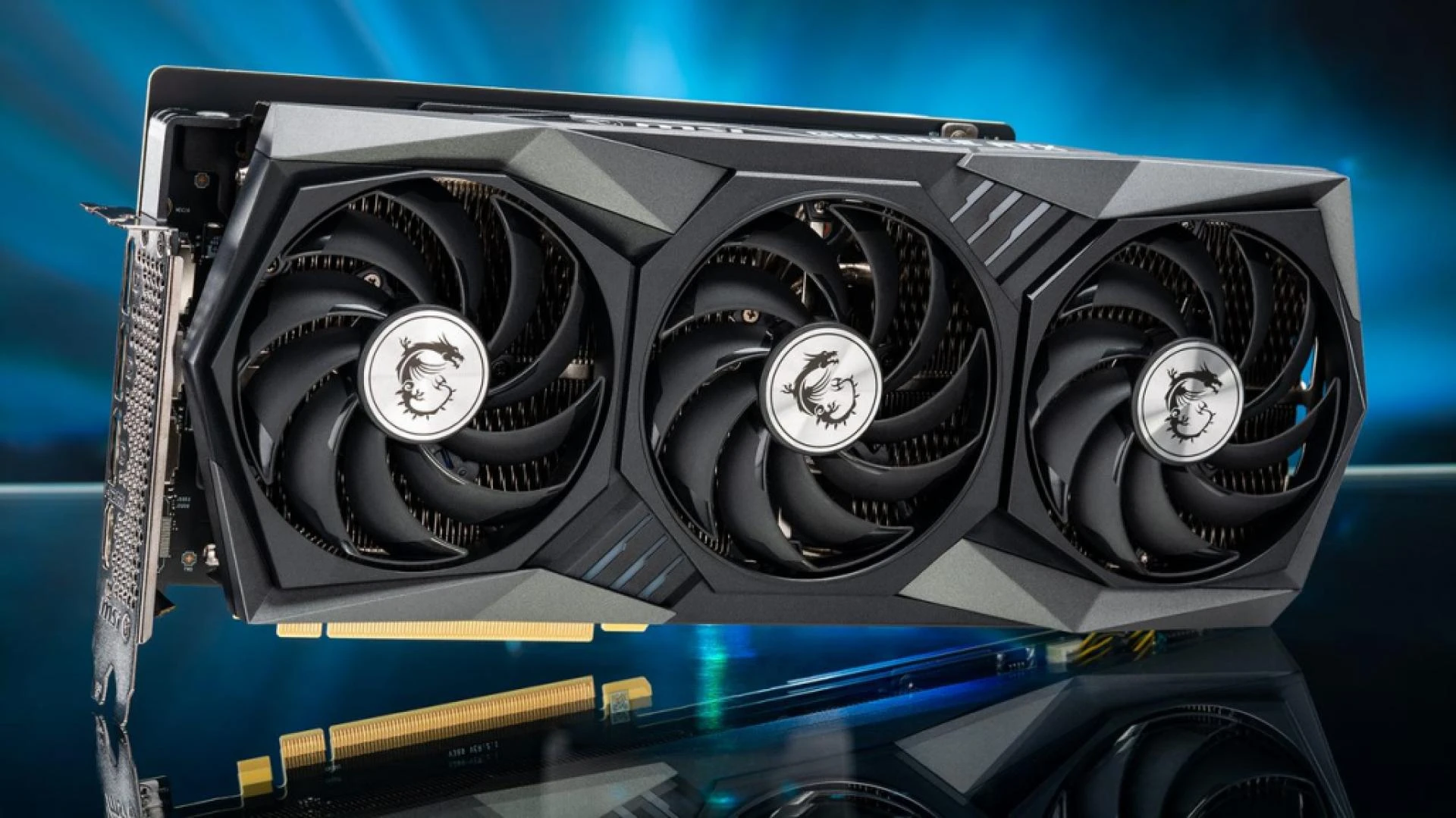

Introduction of Used Graphics Card
A used graphics card is a previously owned graphics card that has been resold for use in a computer system. Used graphics cards are often sold at a lower price than new graphics cards and can provide a more cost-effective way to upgrade or build a gaming PC. However, it's important to note that used graphics cards come with their own set of risks, such as potential wear and tear, and may not be as reliable or perform as well as a brand new graphics card. When purchasing a used graphics card, it's important to do your research, buy from a reputable seller, and check the card's performance benchmarks before making a purchase.
Used Graphics Cards for Budget Gaming
Here are some of the top graphics cards that are commonly used for budget gaming:
Nvidia GeForce GTX 1650 Super:
The GTX 1650 Super is a budget-friendly graphics card that provides good performance for 1080p gaming. It has 4GB of GDDR6 memory and is powered by Nvidia's Turing architecture.
AMD Radeon RX 580:
The RX 580 is an affordable graphics card that delivers excellent performance for 1080p and even some 1440p gaming. It has 8GB of GDDR5 memory and is based on AMD's Polaris architecture.
Nvidia GeForce GTX 1050 Ti:
The GTX 1050 Ti is an entry-level graphics card that is perfect for budget gaming. It has 4GB of GDDR5 memory and is powered by Nvidia's Pascal architecture.
AMD Radeon RX 560:
The RX 560 is another affordable graphics card that provides good performance for 1080p gaming. It has 4GB of GDDR5 memory and is based on AMD's Polaris architecture.
Nvidia GeForce GT 1030:
The GT 1030 is a budget-friendly graphics card that is perfect for entry-level gaming. It has 2GB of GDDR5 memory and is powered by Nvidia's Pascal architecture.
Note that the specific graphics card you choose will depend on your budget and the requirements of the games you want to play.
Buying a Used Graphics Card vs. Buying a New One
When considering whether to buy a used graphics card or a new one, there are several factors to take into account:
Cost:
Used graphics cards are often less expensive than new ones. However, the price difference may not be significant if you are looking for a newer or high-end graphics card.
Performance:
A new graphics card typically has better performance than an older, used one. However, some used graphics cards may still offer decent performance, especially if they are only a few years old.
Warranty:
New graphics cards usually come with a manufacturer's warranty, while used ones may not. This can be a significant factor if you are concerned about the reliability of the card.
Condition:
The condition of a used graphics card can vary, and there may be wear and tear on the card that could affect its performance or lifespan.
Availability:
Some older or discontinued graphics cards may only be available as used or refurbished.
Overall, buying a used graphics card can be a good option if you are on a tight budget or looking for a specific older model. However, if you are looking for the latest and greatest performance and want the peace of mind of a manufacturer's warranty, a new graphics card may be the better choice.
Tips on how to negotiate the price of a used graphics card
Do your research:
The first step in negotiating the price of a used graphics card is to research the current market value. Check online marketplaces, forums, and other sources to get an idea of what the graphics card is worth. This will help you determine a fair price range and make a reasonable offer that takes into account the current market value of the card.
Check the condition:
When inspecting the graphics card, look for any signs of wear or damage. Scratches, dents, or other physical damage can lower the value of the card, and you may be able to negotiate a lower price based on these defects. Make sure to test the card to see if it works properly, and ask the seller if there are any issues or problems with the card.
Be polite and respectful:
When negotiating, it's important to be polite and respectful to the seller. Don't make unreasonable demands or lowball offers, as this can sour the negotiation and result in a lost opportunity. Instead, approach the negotiation in a friendly and professional manner, and be willing to compromise if necessary.
Highlight any defects:
If you notice any defects or issues with the graphics card, point them out to the seller and use them as a basis for negotiating a lower price. For example, if the card has a fan that is making noise, you can ask for a discount to reflect the cost of replacing the fan.
Bundle with other items:
If the seller is offering other items or accessories along with the graphics card, consider bundling them together to negotiate a lower overall price. For example, if the seller is also selling a power supply, you could offer to buy both items together for a discounted price.
Consider alternative payment options:
If the seller is not willing to budge on the price, consider offering alternative payment options such as cash, trade-ins, or other items you may have for sale. For example, if you have a spare monitor that you no longer need, you could offer to trade it for the graphics card.
Remember to approach the negotiation in a friendly and respectful manner, and be willing to compromise if necessary. If you can't reach a mutually beneficial agreement, it may be best to move on and look for a different graphics card elsewhere.
Conclusion
In conclusion, buying a used graphics card can be a great way to save money while still getting decent performance. However, when negotiating the price of a used graphics card, it's important to do your research, check the condition, be polite and respectful, highlight any defects, bundled with other items, and consider alternative payment options. By following these tips, you can increase your chances of getting a fair price for a used graphics card that meets your needs and budget.









Sign in to leave a comment.