As security challenges continue to evolve, organizations across the world are adopting smarter technologies to safeguard their people, assets, and infrastructure. Among these technologies, the Under Vehicle Scanning System (UVSS) has become an essential tool for ensuring effective vehicle security. From airports and borders to corporate facilities and military bases, UVSS is playing a critical role in preventing unauthorized entry, smuggling, and potential terrorist threats.
But like all technologies, UVSS is advancing rapidly. Driven by artificial intelligence, automation, and global security demands, the future of UVSS is promising, reshaping how organizations secure their premises. This article explores the top trends shaping the future of vehicle security with UVSS.
What is UVSS?
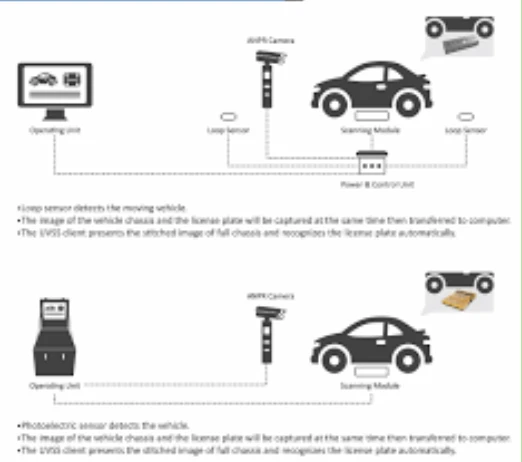
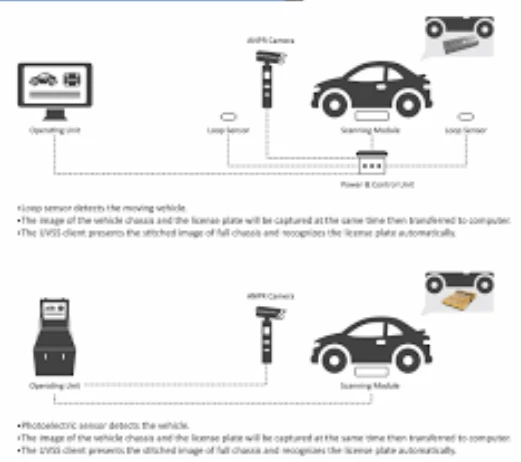
A UVSS (Under Vehicle Scanning System) is a security technology designed to capture high-resolution images of a vehicle’s undercarriage for inspection. This system enables security personnel—or increasingly, artificial intelligence—to detect hidden threats such as explosives, weapons, or unauthorized modifications.
UVSS is already a major component of high-security operations, but emerging trends are taking its effectiveness to the next level.
Top Trends Shaping the Future of UVSS
1. AI Integration for Smarter Detection
Traditional UVSS relies on human operators to analyze undercarriage images. The future, however, is AI-driven. With AI-powered UVSS, security systems can automatically identify anomalies, compare images with stored databases, and flag suspicious modifications instantly. This reduces human error while speeding up the inspection process.
2. Real-Time Data Analytics
Next-generation UVSS solutions will not only scan vehicles but also analyze inspection data in real time. This will allow organizations to identify recurring threat patterns, predict risks, and respond proactively. Data-driven security will become the new norm.
3. 3D and HD Imaging
Future UVSS systems will rely on advanced 3D imaging technologies to provide a more detailed and accurate view of a vehicle’s undercarriage. High-definition visuals reduce the chances of missing small but dangerous items, ensuring maximum accuracy in threat detection.
4. Integration with Smart Security Systems
Modern UVSS is increasingly being integrated with license plate recognition (LPR), CCTV networks, and biometric access control. This creates a unified, multi-layered security system that provides end-to-end monitoring of vehicles and their occupants.
5. Cloud-Based UVSS Monitoring
Organizations are moving toward cloud-enabled UVSS systems, where data and images are stored securely online for centralized monitoring. This enables global companies, governments, and military forces to analyze vehicle scans from multiple checkpoints in one platform.
6. Faster, Contactless Operations
With growing emphasis on efficiency, UVSS systems are becoming faster and contactless, reducing wait times at checkpoints. Automated scanning ensures vehicles pass through without delays, which is particularly useful for airports, borders, and busy seaports.
7. Edge Computing for Instant Detection
Instead of relying solely on cloud processing, many UVSS systems are incorporating edge computing to analyze data directly at the checkpoint. This ensures threats are detected instantly, even in remote areas with limited internet access.
8. Eco-Friendly UVSS Solutions
Sustainability is becoming a global concern. Future UVSS models will consume less energy, require minimal maintenance, and use environmentally friendly components—making them not only secure but also eco-conscious.
Benefits of Next-Gen UVSS for Vehicle Security
- Enhanced Threat Detection: Advanced imaging and AI reduce the risk of missing hidden objects.
- Faster Inspections: Automated systems minimize checkpoint delays.
- Scalability: Suitable for small facilities, corporate offices, or large national borders.
- Cost Efficiency: Reduces reliance on manpower while improving accuracy.
- Future-Proof Security: AI and cloud integration ensure UVSS systems evolve with emerging threats.
Applications of Modern UVSS
- Airports: Secure entry points for service and delivery vehicles.
- Borders: Detect contraband and illegal trafficking.
- Military Bases: Prevent unauthorized vehicle access to sensitive areas.
- Corporate Headquarters: Safeguard executives and critical infrastructure.
- Seaports: Protect cargo zones from smuggling and terrorist threats.
The Future Outlook of UVSS
The global demand for UVSS technology is expected to rise significantly as security concerns continue to grow. Innovations such as AI-driven analytics, 3D scanning, and cloud-enabled monitoring will transform UVSS into a central part of smart security ecosystems.
As threats become more sophisticated, governments and organizations that invest in cutting-edge UVSS will have the advantage of faster, more accurate, and proactive security solutions.
Conclusion
The future of UVSS lies in innovation, intelligence, and integration. From AI-powered detection and 3D imaging to cloud-based monitoring and eco-friendly solutions, UVSS is evolving into a critical technology for modern security infrastructure.
Organizations that embrace these trends will not only enhance their defense against evolving threats but also streamline operations and ensure safety with minimal disruption.
In the years ahead, UVSS will remain at the forefront of vehicle security, setting new standards for efficiency, accuracy, and resilience.


























Sign in to leave a comment.