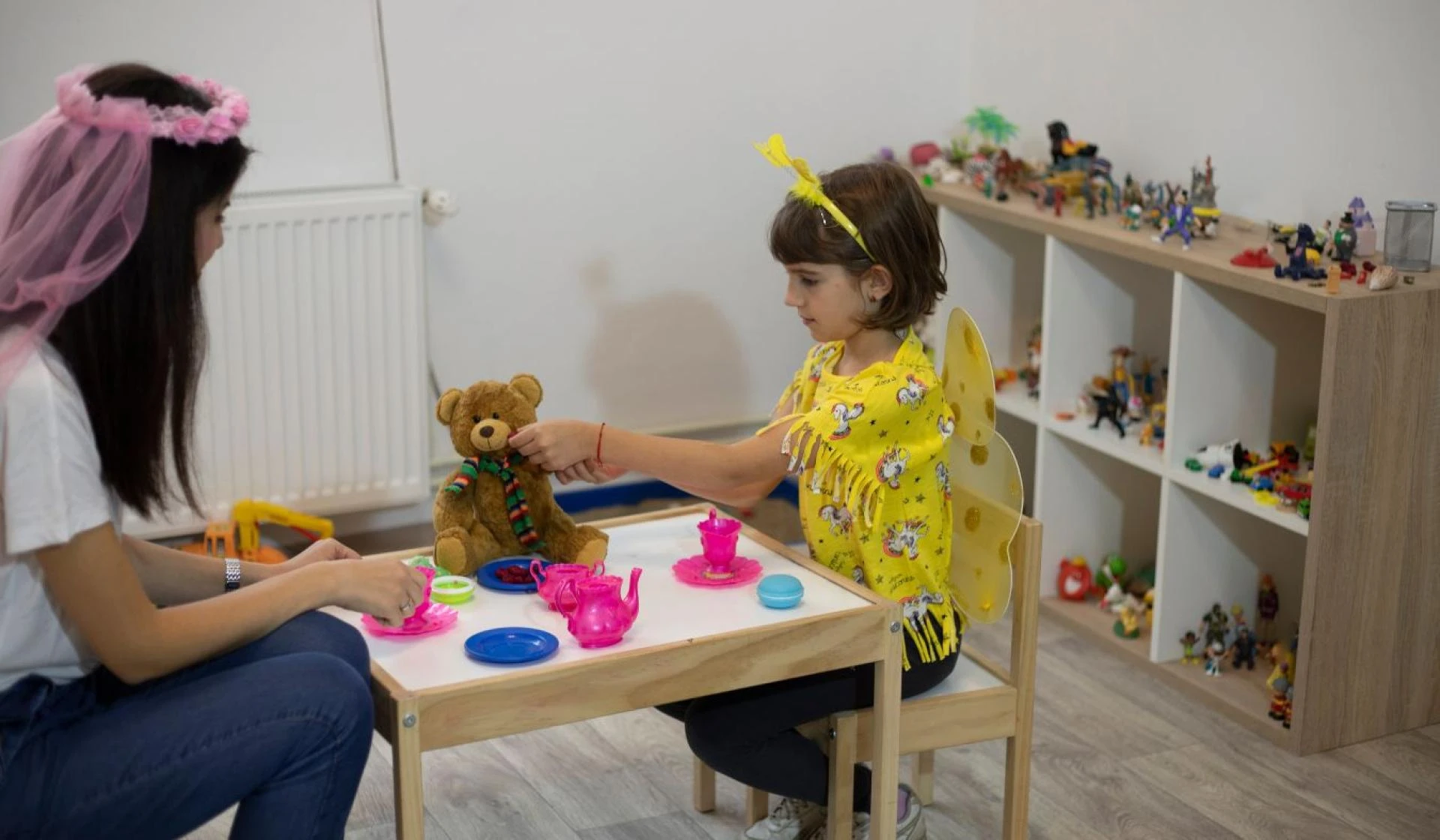

As a parent, you know your child better than anyone else. You notice the subtle differences in how they behave, play, speak, and interact with others. Sometimes, however, challenges in development, learning, behavior, or emotional regulation go beyond what’s considered typical—and when they do, a multi-disciplinary evaluation may be necessary. Recognizing the warning signs early and acting quickly can make a significant difference in your child’s well-being, academic progress, and social-emotional growth.
In this article, we’ll explore what a multi-disciplinary evaluation is, why it matters, and the top signs that indicate your child may need one right away.
What Is a Multi-Disciplinary Evaluation?
A multi-disciplinary evaluation (MDE) is a comprehensive assessment conducted by a team of professionals from various specialties—such as psychology, speech-language pathology, occupational therapy, special education, and behavioral analysis. This collaborative approach provides a holistic view of a child’s strengths and challenges across multiple domains.
The goal of an MDE is to accurately identify developmental delays, learning disabilities, behavioral concerns, and social-emotional issues. The findings help guide effective interventions and support plans tailored specifically to your child’s needs.
Why Timely Evaluation Matters
Early intervention is key. The sooner concerns are identified, the more effective support services and therapy can be. Delays in evaluation may lead to:
- Academic struggles
- Behavioral escalation
- Social isolation
- Emotional distress for both the child and family
Waiting too long can cause a child to fall further behind, making it more difficult to catch up developmentally or academically. That’s why understanding the urgent signs that call for an MDE is crucial.
Top Warning Signs Your Child Needs a Multi-Disciplinary Evaluation
1. Speech and Language Delays
If your child is not meeting communication milestones—such as speaking their first words by 12–15 months or forming simple sentences by age 2–3—it could signal a delay in speech and language development. Watch for:
- Limited vocabulary for their age
- Difficulty understanding directions
- Trouble expressing thoughts clearly
- Repetitive language or echolalia (repeating others’ words)
These signs may warrant evaluation by a speech-language pathologist as part of a larger team.
2. Difficulty With Social Interaction
Struggles with social skills may indicate a need for further assessment. Red flags include:
- Poor eye contact
- Lack of interest in playing with peers
- Difficulty interpreting social cues
- Trouble initiating or maintaining conversations
- Preference for solitary play beyond toddler years
Children with social communication disorders, autism spectrum disorder (ASD), or anxiety often benefit from a team-based evaluation to pinpoint the cause and recommend supports.
3. Behavioral Outbursts and Emotional Regulation Issues
All children experience big emotions, but frequent, intense outbursts beyond what’s developmentally appropriate may suggest underlying concerns. Warning signs include:
- Aggressive or destructive behavior
- Prolonged tantrums that are hard to calm
- Extreme difficulty with transitions or changes in routine
- Persistent anxiety, sadness, or withdrawal
A psychologist or behavioral therapist, along with other professionals, can help determine whether ADHD, trauma, anxiety, or another condition may be involved.
4. Academic or Learning Struggles
If your child consistently struggles in school despite help from teachers and extra support at home, a multi-disciplinary evaluation may uncover specific learning disabilities such as dyslexia, dyscalculia, or processing disorders. Watch for:
- Falling behind in reading, writing, or math
- Difficulty following instructions or staying on task
- Frustration or avoidance of schoolwork
- Trouble with memory, sequencing, or organization
An educational psychologist, special educator, and other specialists may work together to develop a targeted learning plan.
5. Delayed Motor Skills or Coordination Problems
Motor skill challenges may go unnoticed until they interfere with daily activities like dressing, writing, or playing. Signs that your child may need evaluation from an occupational or physical therapist include:
- Difficulty with fine motor tasks (e.g., using utensils, holding a pencil)
- Awkward or uncoordinated movements
- Avoidance of physical activity
- Trouble with balance or posture
Motor development is closely linked with academic and social participation, so early identification is critical.
6. Sensory Processing Challenges
If your child is overly sensitive to noise, touch, lights, or textures—or craves sensory input through spinning, crashing, or touching everything—these could be signs of sensory processing disorder. This is often seen in combination with other developmental disorders.
Indicators may include:
- Covering ears frequently
- Refusing certain clothing textures or food textures
- Constant movement or inability to sit still
- Easily overwhelmed in loud or crowded places
A team that includes an occupational therapist and behavioral specialist can assess how these sensory needs impact your child’s daily functioning.
7. Lack of Progress Despite Interventions
If your child has already received services such as speech therapy, tutoring, or counseling but continues to struggle, it may be time for a more in-depth, multi-disciplinary look.
Sometimes, overlapping issues—like a combination of language delay and anxiety—require a coordinated approach that only an MDE can provide.
What to Expect During the Evaluation Process
The multi-disciplinary evaluation typically includes:
- Parent and teacher input
- Standardized testing
- Behavioral observations
- Speech, language, and motor screenings
- Cognitive and academic assessments
After the assessments are complete, the team will meet with you to share findings and create a customized intervention plan, which may include therapies, school accommodations, or further referrals.
How to Get Started
If you suspect your child needs an MDE, take the following steps:
- Talk to your child’s pediatrician. They can make referrals and help rule out medical concerns.
- Consult your child’s school. Public schools can initiate an evaluation through the special education team.
- Contact a private clinic. If time is of the essence, private evaluations may be faster and more comprehensive.
- Document behaviors. Keep notes on what you’re observing to share with professionals.
Looking for home-based ABA therapy in Minnesota? We provide personalized in-home services to help your child build skills and thrive in a familiar, supportive environment.
Final Thoughts
Trust your instincts. If something doesn’t feel right about your child’s development or behavior, don’t wait. A multi-disciplinary evaluation can uncover the root causes of your child’s challenges and pave the way for the support they need to thrive.

























Sign in to leave a comment.