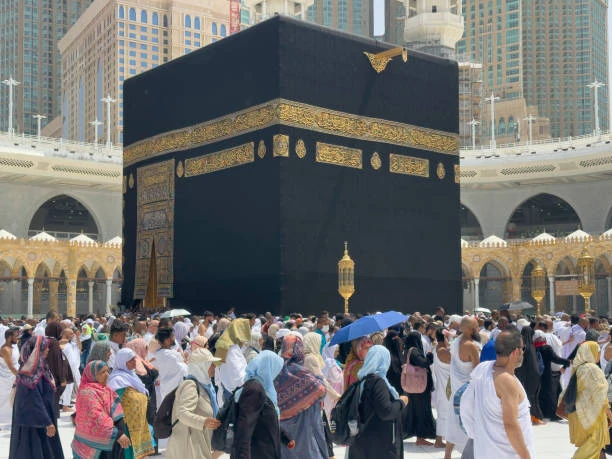

Traveling to Saudi Arabia is an exciting and meaningful experience, but choosing the right visa is crucial to ensure a smooth journey. Many pilgrims and visitors often wonder about the differences between a Tourist Visa vs Umrah Visa. Selecting the wrong visa can cause delays or complications, affecting both travel plans and spiritual activities. Understanding the Umrah visa requirements and planning ahead can save time, money, and stress. Trusted platforms like Umrah Booking.ae make this process simple by guiding travelers on the right visa options.
Whether your goal is a spiritual pilgrimage, sightseeing, or both, knowing the right visa type helps you enjoy your journey fully.
Understanding Tourist Visa vs Umrah Visa: Tips for a Smooth Trip
What Is a Tourist Visa?
A Tourist Visa allows travelers to explore Saudi Arabia’s culture, heritage, and landmarks. Launched as part of Saudi Arabia’s Vision 2030 initiative, the Tourist Visa encourages international visitors to experience the Kingdom beyond religious purposes.
With this visa, you can visit popular destinations like Riyadh, Jeddah, AlUla, and the Red Sea coast. It typically allows multiple entries and stays of up to 90 days per visit, depending on nationality. While it’s possible to perform Umrah on a Tourist Visa, this visa primarily supports leisure and sightseeing activities rather than a structured pilgrimage.
What Is an Umrah Visa?
An Umrah Visa is specifically issued for pilgrims intending to perform Umrah in the holy cities of Makkah and Madinah. Unlike Hajj visas, which are limited to the Hajj season, Umrah visas are available throughout the year except during official Hajj periods.
Obtaining an Umrah visa requires fulfilling specific Umrah visa requirement, such as sponsorship from a licensed travel agency, confirmed accommodation, and sometimes proof of vaccination. Most Umrah visas are issued as part of organized packages, which include flights, local transportation, and guided support to help pilgrims complete their rituals comfortably and efficiently.
Differences Between Tourist Visa vs Umrah Visa
The Tourist Visa and Umrah Visa distinction comes down to purpose, validity, and permitted activities. A Tourist Visa is designed for travelers seeking cultural experiences, sightseeing, and leisure activities. An Umrah Visa is tailored for pilgrims focused solely on religious obligations and rituals.
Tourist visas do not require sponsorship and often allow flexibility for multiple trips. Umrah visas, however, must be processed through licensed travel agencies and are valid only for the specific pilgrimage period. Choosing the right visa is essential for compliance with Saudi regulations and a hassle-free journey.
Who Can Apply? Eligibility Criteria
Tourist Visa:
- Valid passport with at least six months’ validity
- Return flight and accommodation details may be required
- Application completed online through the Saudi eVisa portal
- Available for citizens of eligible countries
Umrah Visa:
- Valid passport with at least six months’ validity
- Sponsorship from a licensed Saudi travel operator
- Confirmed accommodation in Makkah or Madinah
- Vaccination certificates as required
- Application submitted via a licensed travel agency, often included in a complete package
Application Process
Tourist Visa:
1. Apply online through the official Saudi eVisa portal
2. Enter personal details and travel information
3. Upload passport scan and photograph
4. Pay the visa fee online
5. Receive the eVisa via email
Umrah Visa:
1. Submit documents to a licensed travel agency
2. Book a complete Umrah package including flights, hotels, and transport
3. The agency submits the application on your behalf
4. Receive visa approval and itinerary from the agency
Costs and Validity
Tourist Visa fees are generally lower and vary based on nationality. Umrah visas are included in organized packages covering accommodation, transportation, and agency services.
Tourist visas typically allow stays of up to 90 days per visit and may be valid for up to one year. Umrah visas are valid only for the pilgrimage period, usually between 30–60 days, and must align with the travel itinerary.
Performing Umrah on a Tourist Visa
It is possible to perform Umrah on a Tourist Visa if you enter through authorized ports and follow Saudi regulations. However, the Tourist Visa does not include support for accommodations or guided religious assistance. Pilgrims who prefer a structured, stress-free experience usually opt for an Umrah Visa, which includes full support for completing rituals comfortably.
Rules and Restrictions
Tourist Visa holders are limited to sightseeing and leisure activities and cannot engage in work or long-term residence. Umrah Visa holders must adhere to pilgrimage guidelines, vaccination requirements, and religious protocols, and must depart before the visa expires.
Tips for Choosing the Right Visa
- Choose an Umrah Visa if your main purpose is religious pilgrimage.
- Consider a Tourist Visa if you wish to combine sightseeing with performing Umrah.
- Always verify visa requirements through official sources or licensed agencies.
- Prepare all travel documents in advance to avoid delays.
- Book early during peak seasons to secure flights, accommodation, and Umrah packages.
Conclusion
Understanding the difference between a Tourist Visa vs Umrah Visa is key to a smooth, safe, and rewarding journey to Saudi Arabia. While a Tourist Visa offers flexibility for cultural exploration and leisure, an Umrah Visa ensures a seamless pilgrimage experience with support for all religious rituals.
Trusted services like Umrah Booking.ae can help travelers secure the right visa and packages suited to their needs. For those combining sightseeing and spiritual fulfillment, a Saudi tourist visa for Umrah provides the perfect solution for an organized and meaningful journey to the holy cities and beyond.


























Sign in to leave a comment.