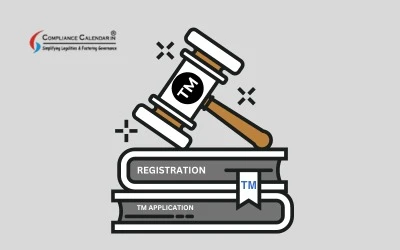

Businesses and individuals who want to safeguard their brand ID must register their trademarks. In addition to protecting your intellectual property, a registered trademark grants you the legal authority to stop others from exploiting your distinctive mark. For novices, however, the trademark registration procedure may appear complicated. The goal of this essay is to make the trademark registration process easier by walking you through each step with ease and clarity.
What is Trademark Registration?
The legal process of obtaining the exclusive rights to a distinctive mark, logo, name, symbol, or combination of these that best represent your company is known as trademark registration. It protects your intellectual property from unauthorized use and sets your brand apart from rivals. Once registered, the trademark owner has exclusive rights to use the trademark in their respective class of goods or services.
Why is Trademark Registration Important?
- Legal Protection: Trademark registration provides legal recognition and protection against infringement.
- Brand Character: It establishes your brand’s unique personality in the market.
- Exclusive Rights: You gain exclusive ownership of the trademark, preventing others from using it.
- Business Credibility: Registered trademarks increase your brand’s credibility and attract more customers.
- Asset Creation: A registered trademark becomes an intangible asset that can be licensed, franchised, or sold.
Steps to Simplify the Trademark Registration Process
Here’s a step-by-step guide to help beginners take in the trademark registration process:
1. Conduct a Trademark Search
Before applying for trademark registration, it’s essential to conduct a trademark search to confirm that your desired trademark is unique and not already registered by someone else. The official IP India website provides an online search tool to check for existing trademarks. This step helps avoid conflicts and increases the chances of approval.
2. Choose the Right Trademark Class
Trademarks are categorized into 45 different classes based on the type of goods or services they represent. For example:
- Class 25: Clothing, footwear, and headgear
- Class 35: Advertising and business management services
Selecting the correct class is vital, as it determines the scope of protection for your trademark.
3. Prepare the Application
The trademark application must include the following details:
- Applicant’s name, address, and nationality
- Trademark logo or design (if applicable)
- Description of the trademark
- Date of first use (if applicable)
- Power of attorney (if filed through an agent or attorney)
Confirm that all details are accurate and complete to avoid delays or rejections.
4. File the Trademark Application
The application can be filed online through the IP India portal or physically at the Trademark Registry Office. Once submitted, you will receive an acknowledgment and an application number, which can be used to track the status of your application.
5. Examination by the Trademark Registrar
After submission, the Trademark Registrar examines the application to confirm compliance with the Trademarks Act, 1999. The examination includes:
- Checking for similarities with existing trademarks
- Confirming compliance with legal requirements
If any objections are raised, the applicant will receive an examination report outlining the issues. The applicant must respond within the specified time frame to address the objections.
6. Publication in the Trademark Journal
Once the application passes the examination, the trademark is published in the Trademark Journal. This step allows the public to review the trademark and raise objections, if any, within four months.
7. Opposition (if any)
If a third party opposes the trademark, the applicant must defend their application by providing evidence and arguments. The Trademark Registrar reviews the case and makes a decision based on the submissions.
8. Registration and Issuance of Certificate
If no opposition is raised, or if the opposition is resolved in favor of the applicant, the trademark is approved for registration. The Trademark Registrar issues a Trademark Registration Certificate, granting the applicant exclusive rights to use the trademark.
Documents Required for Trademark Registration
The following documents are typically required for trademark registration:
- Trademark Logo or Design: If applicable, a digital representation of the trademark.
- Applicant’s Details: Name, address, and nationality of the individual or company.
- Business Registration Proof: For companies, documents such as a Certificate of Incorporation.
- Description of Goods/Services: The category or class under which the trademark is being filed.
- Power of Attorney: If the application is filed through an agent or attorney.
- Date of First Use: If the trademark is already in use, provide proof of usage.
Common Mistakes to Avoid During Trademark Registration
- Not Conducting a Thorough Search: Failing to check for existing trademarks can lead to objections or rejections.
- Choosing the Wrong Class: Filing under an incorrect class may result in limited protection or rejection.
- Incomplete Application: Missing details or documents can delay the process.
- Ignoring Objections: Failing to respond to objections raised by the Registrar can lead to rejection.
- Delaying Renewal: A registered trademark must be renewed every 10 years to maintain its validity.
How Long Does Trademark Registration Take?
The trademark registration process in India typically takes 12 to 24 months, depending on the following factors:
- Timely submission of required documents
- Resolution of objections or oppositions
- Processing time at the Trademark Registry
While the process may seem lengthy, applicants can start using the ™ symbol immediately after filing the application. Once registered, the ® symbol can be used to signify exclusive rights.
Benefits of Simplifying the Trademark Registration Process
- Time-Saving: Sense the process helps avoid unnecessary delays.
- Cost-Effective: Proper planning minimizes legal and administrative expenses.
- Legal Compliance: Adhering to the guidelines make sure smooth approval.
- Increased Protection: A well-executed application provides complete protection for your brand.
Role of Professional Assistance in Trademark Registration
While it is possible to register a trademark independently, seeking professional assistance can simplify the process significantly. Trademark attorneys or agents can:
- Conduct complete trademark searches
- File accurate and compliant applications
- Respond to objections and oppositions effectively
- Confirm timely renewals and maintenance of trademarks
Conclusion
In order to safeguard your brand's character and guarantee its expansion in a cutthroat market, trademark registration is an essential first step. Beginners can easily pilot the trademark registration procedure by following the above-mentioned simplified stages. Getting a trademark is a wise investment in the future of your company, regardless of whether you decide to manage the procedure on your own or get expert help. Your trademark can be a strong tool that distinguishes your company if you prepare ahead, pay attention to the details, and follow the law.
























Sign in to leave a comment.