
 When launching a new business or product, one of the critical steps is to ensure that your brand name, logo, or slogan is legally protected. This process begins with a trademark search and filing Boston.The process of trademark search and filing involves several steps to ensure that your intellectual property is secure and that your business can operate without legal hurdles.
Understanding Trademark Basics
A trademark is a sign capable of distinguishing the goods or services of one enterprise from those of other enterprises. Trademarks come in various forms, including words, logos, colors, and shapes. Registering a trademark provides legal protection for your brand, helping to prevent others from using a similar mark that could confuse consumers.
Why Conduct a Trademark Search?
Before you file for a trademark, it’s crucial to conduct a comprehensive trademark search. This search helps to determine whether there are any existing trademarks that are similar to yours. Conducting a search helps avoid potential legal disputes and ensures that your trademark does not infringe on someone else’s rights.
Preliminary Search: Start with a basic online search using search engines and social media platforms. This initial search can provide a quick overview of any potential conflicts.
Trademark Database Search: The United States Patent and Trademark Office (USPTO) maintains an online database known as the Trademark Electronic Search System (TESS). Conduct a search using TESS to check if your proposed trademark or a similar mark is already registered or pending registration.
State-Level Search: In addition to federal registration, it’s wise to check state trademark databases, as some marks might be registered at the state level but not federally.
Professional Search Services: For a more thorough search, consider hiring a trademark attorney or professional search firm. They have the expertise and resources to conduct a more in-depth search, including checking for similar trademarks in various classifications and jurisdictions.
Filing a Trademark Application
Once you’ve completed the search and confirmed that your trademark is unique, the next step is to file a trademark application. This process involves several key steps:
Determine the Trademark Class: Trademarks are categorized into different classes based on the type of goods or services they represent. You must select the appropriate class or classes for your trademark application. The USPTO uses the Nice Classification system to classify goods and services.
Prepare the Application: You will need to provide detailed information about your trademark, including a clear representation of the mark (such as a logo or text), a description of the goods or services associated with the mark, and your business information.
Choose the Application Type: There are different types of trademark applications, including:
- TEAS Standard: A more comprehensive form requiring detailed information.
- TEAS Plus: A simplified form with fewer requirements but with stricter rules and lower fees.
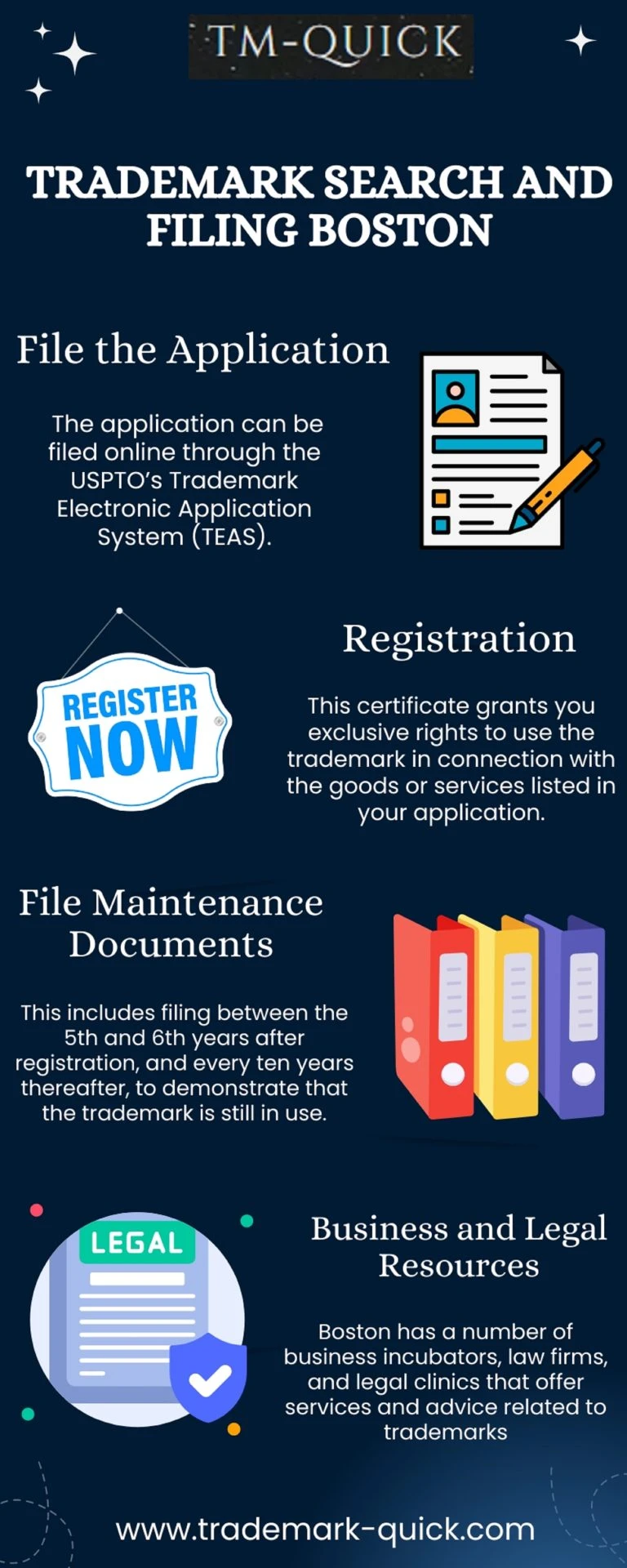
File the Application: Submit your application online through the USPTO’s Trademark Electronic Application System (TEAS). Be sure to double-check all information before submission to avoid delays or rejections.
Pay the Filing Fee: The USPTO charges a filing fee based on the number of classes and the type of application. Fees range from $250 to $350 per class of goods or services.
The Examination Process
After filing your application, it will be examined by a USPTO examiner. The examiner reviews the application to ensure it meets all legal requirements and checks for conflicts with existing trademarks. The examination process typically involves:
Office Actions: If the examiner finds any issues, they will issue an Office Action requesting additional information or amendments to your application. You must respond to these actions within the specified timeframe to keep your application active.
Publication for Opposition: If the examiner approves your application, it will be published in the Official Gazette, a weekly publication of the USPTO. This allows other parties to oppose the registration if they believe it conflicts with their existing trademarks.
Registration: If no oppositions are filed or if any oppositions are successfully resolved, your trademark will be registered, and you will receive a Certificate of Registration.
Maintaining Your Trademark
Once your trademark is registered, it is essential to maintain it to ensure continued protection:
Use the Trademark: You must use the trademark in commerce to keep it active. Non-use for an extended period can lead to cancellation.
File Renewal Applications: Trademarks must be renewed periodically. The first renewal is due between the 5th and 6th year after registration, and subsequent renewals are required every 10 years.
Monitor and Enforce Your Rights: Actively monitor the market for potential infringers and take action to enforce your trademark rights if necessary. This helps prevent dilution of your brand and ensures your trademark remains a strong and valuable asset.
Working with a Trademark Attorney
Navigating the trademark search and filing process can be complex. Working with a trademark attorney can provide several benefits:
Expert Guidance: Attorneys have specialized knowledge of trademark law and can help you avoid common pitfalls.
Thorough Search: They can conduct a comprehensive search to identify potential conflicts and advise on the best strategy for your application.
Application Preparation: Attorneys can assist with preparing and filing your application, ensuring that all requirements are met and increasing the likelihood of approval.
Legal Representation: If any legal issues arise, such as oppositions or disputes, a trademark attorney can represent your interests and handle negotiations or litigation.
Trademark search and filing are crucial steps in protecting your brand and ensuring its legal status. By conducting a thorough search, carefully preparing your application, and understanding the maintenance requirements, you can secure your trademark and enhance the value of your business. Working with a knowledgeable trademark attorney can further streamline the process and provide added assurance that your intellectual property is well-protected. In Boston, following these steps will help safeguard your brand and set a solid foundation for your business\'s success.











Sign in to leave a comment.