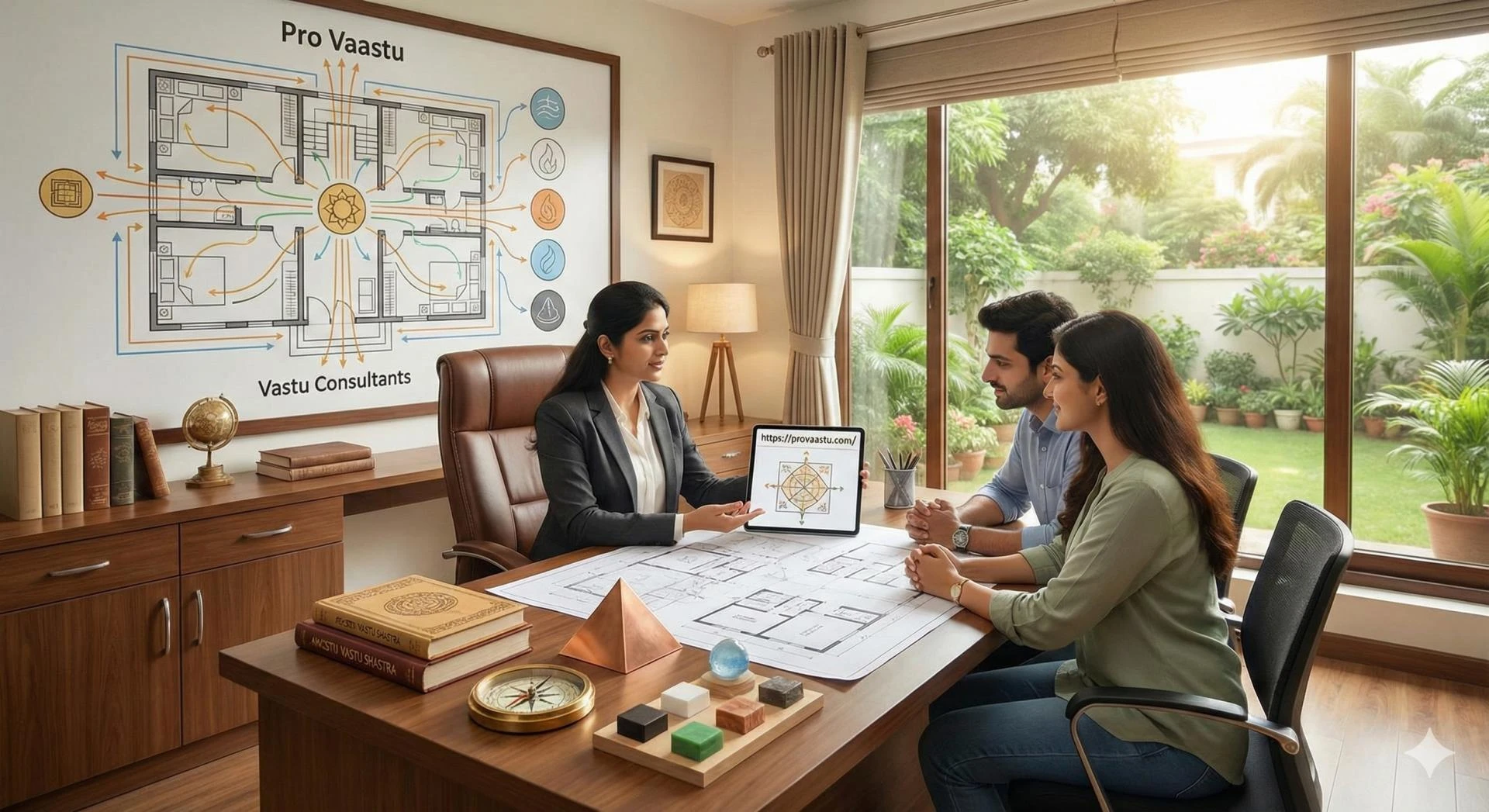

Modern homes are sleek, space-efficient, and built for convenience — yet, many traditional Indian concepts still influence how we design our spaces. These age-old ideas weren’t just cultural preferences; they were deeply connected to climate, lifestyle, psychology, and family well-being. Even today, when architectural styles evolve, certain traditional principles continue to offer meaning, comfort, and balance.
This article explores why these timeless concepts still matter and how they quietly shape contemporary home design.
1. Why Traditional Ideas Still Influence Modern Living
India’s architectural heritage is richly layered, shaped by regional climate, cultural beliefs, and centuries of observation. Many of these practices were not about superstition but about creating practical and healthy living environments.
For example:
- Courtyards allowed natural light and ventilation.
- Verandas acted as buffers against heat and rain.
- Elevated plinths protected houses from flooding.
- Natural materials helped in temperature regulation.
These concepts created homes that were intuitive, comfortable, and connected to nature. Even today, homeowners and architects often incorporate these elements unconsciously because they simply work.
2. The Timeless Appeal of Open Courtyards
One of the most iconic traditional features is the central courtyard. Whether found in Chettinad mansions, havelis, or Kerala homes, courtyards served multiple purposes:
- Bringing daylight into the deepest parts of the house
- Allowing cross-ventilation
- Offering a private outdoor space
- Creating a gathering point for families
In modern homes, the courtyard is making a comeback as:
- Skylight atriums
- Indoor gardens
- Light wells
- Open-to-sky nooks
These designs enhance air flow, reduce dependence on artificial lighting, and create calming interiors. Somewhere in the middle of planning such features, many homeowners also consult specialists such as the Best Vastu Consultant, who often blends traditional energy concepts with modern needs.
3. Verandas, Balconies, and the Need for Transitional Spaces
Older homes always had a veranda a shaded space that served as a gentle threshold between indoors and outdoors.
It lowered indoor temperatures, allowed fresh air to circulate, and prevented rainwater from entering the main house.
Today, verandas have evolved into:
- Balconies
- Sit-outs
- Patio extensions
- Semi-open terraces
These transitional spaces provide room for relaxation, greenery, and natural light while still shielding the home from extreme weather. They remain essential in urban settings where connection with nature is limited.
4. Natural Materials Still Shape Comfort
Traditional homes used:
- Stone for cooling
- Wood for warmth
- Clay tiles for rain protection
- Lime plaster for antibacterial properties
These materials allowed the home to breathe, maintaining healthy indoor environments.
Now, even with advanced alternatives, modern architecture is shifting back toward:
- Wooden flooring
- Earth-based textures
- Natural stone accents
- Terracotta tiles
- Eco-friendly lime finishes
Not only do these elevate aesthetics, but they also improve indoor air quality and create a grounded, soothing ambience.
5. The Relevance of Directional Planning
Older homes were thoughtfully planned with directions in mind, especially when considering sunlight, seasonal winds, and shading. Traditional builders intuitively understood:
- Morning light is softer and healthier
- Harsh west light needs shading
- Cross-breezes reduce heat
- North sides require insulation
While today's architecture uses scientific tools and modelling, these directional insights still remain foundational. The principles of orientation strongly influence the placement of bedrooms, kitchens, and living areas in modern floor plans.
6. Community, Family, and Shared Spaces
Traditional homes emphasized community living. There were designated spaces for gatherings, festivals, and family interactions.
Modern homes may be compact, but the idea of:
- Open living/dining rooms
- Flexible multipurpose spaces
- Larger family zones
still comes from this traditional emphasis on togetherness. The layout of common areas continues to reflect our cultural roots.
7. Why Tradition and Modernity Work Best Together
The beauty of Indian home design today lies in the fusion of old and new. Traditional principles offer:
- Health benefits
- Better climate responsiveness
- Emotional comfort
- Natural harmony
Modern features provide:
- Convenience
- Style
- Technology
- Efficiency
When these two approaches blend, the result is a home that is beautiful, functional, meaningful, and deeply connected to its inhabitants.
Conclusion
Traditional Indian home concepts were never outdated they were simply ahead of their time. As modern lifestyles evolve, these age-old ideas continue to offer valuable insights into comfort, well-being, and harmony. Whether through courtyards, natural materials, or thoughtful orientation, the influence of tradition remains strong. By blending modern innovation with timeless principles, homeowners can create spaces that feel grounded, efficient, and truly welcoming.





















Sign in to leave a comment.