

Indian fashion is deeply rooted in symbolism, tradition, and artistic expression, and among its most iconic adornments is the bindi. More than just a decorative accessory, the bindi holds cultural, spiritual, and aesthetic significance. Today, traditional Indian bindis in multicolor designs beautifully blend heritage with modern style, making them a must-have accessory for women across generations.
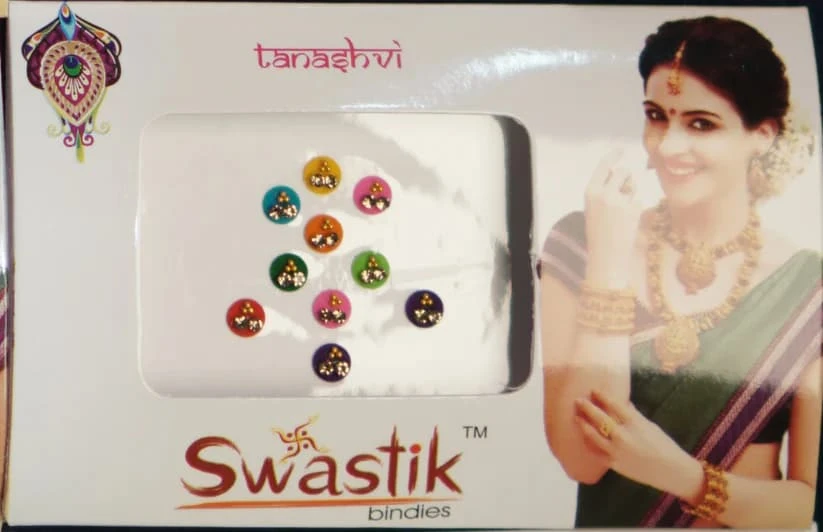
The Cultural Significance of the Bindi
Historically, the bindi symbolized the ajna chakra, or the center of wisdom and intuition. Worn on the forehead, it represented spiritual awakening, marital status, and feminine energy. While red bindis were traditionally associated with marriage and prosperity, evolving fashion trends have introduced multicolor bindis that celebrate individuality while respecting tradition.
Evolution of Multicolor Bindi Designs
From simple vermilion dots to intricately designed adhesive bindis, the journey of the bindi reflects India’s rich craftsmanship. Multicolor designs emerged as artisans began experimenting with:
- Vibrant stones and crystals
- Hand-painted motifs
- Gold-plated and kundan-style patterns
- Floral, geometric, and paisley shapes
These designs allow women to match their bindis with outfits, moods, and occasions, transforming the bindi into a statement accessory.
Why Multicolor Bindis Are So Popular
Traditional Indian bindis in multicolor designs are loved for their versatility and charm. They effortlessly enhance ethnic wear such as sarees, lehengas, and salwar suits, while also adding a pop of color to fusion and contemporary outfits. Key reasons for their popularity include:
- Versatility: Suitable for weddings, festivals, daily wear, and cultural events
- Expression: Reflects personal style through color and design
- Convenience: Ready-to-wear adhesive options make them easy to use
- Affordability: Available in a wide range of prices for every budget
Styling Multicolor Bindis for Different Occasions
One of the biggest advantages of multicolor bindis is how easily they can be styled:
- Festivals: Bright, stone-studded bindis complement colorful festive outfits
- Weddings: Ornate kundan or pearl-embedded designs elevate bridal and guest looks
- Everyday Wear: Small, subtle multicolor dots add charm without overpowering the look
- Fusion Fashion: Pairing bindis with Indo-western outfits creates a bold, modern aesthetic
The Global Appeal of Indian Bindis
With the rise of global fashion and cultural appreciation, Indian bindis have gained international recognition. Celebrities, fashion influencers, and designers worldwide now embrace multicolor bindis as symbols of bohemian elegance and cultural pride. This global exposure has further increased demand for traditional designs with modern color palettes.
Choosing the Right Multicolor Bindi
When selecting a bindi, consider face shape, outfit colors, and the occasion. Softer tones work well for daytime events, while bold, jewel-toned multicolor bindis shine during evening celebrations. Quality materials and skin-friendly adhesives also ensure comfort and longevity.
Conclusion
Traditional Indian bindis in multicolor designs beautifully represent the harmony between culture and creativity. They honor centuries-old traditions while embracing modern fashion sensibilities. Whether worn for spiritual reasons, cultural pride, or pure style, multicolor bindis remain a timeless accessory that continues to evolve while staying deeply rooted in Indian heritage.























Sign in to leave a comment.