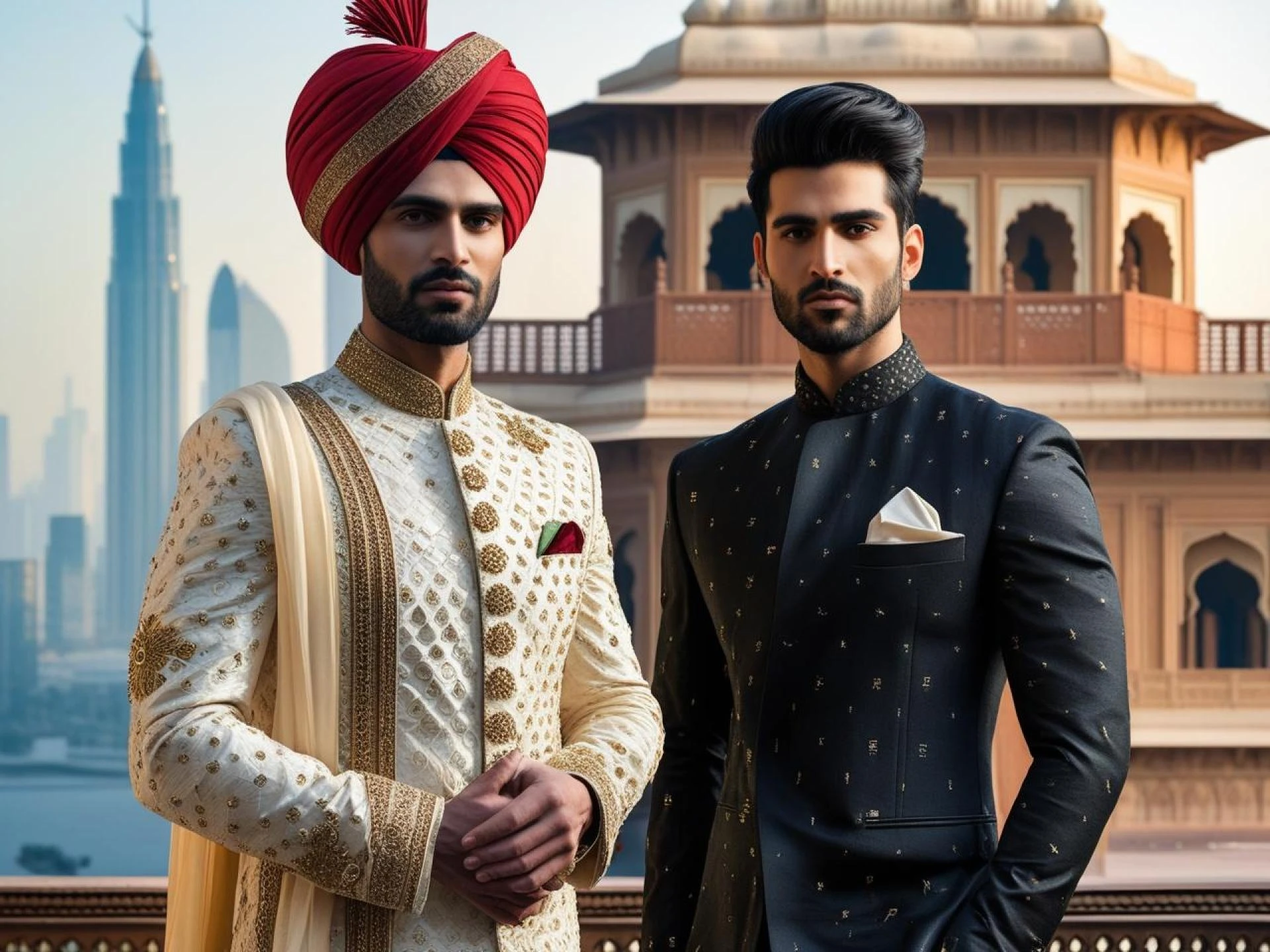

The Sherwani has long been a symbol of regal elegance and cultural pride in South Asian fashion. Rooted deeply in history, it has adorned grooms, royals, and dignitaries for centuries. But like all garments of tradition, the Sherwani too has evolved with time. Today, it balances between age-old heritage and modern style sensibilities.
Whether you're shopping for your big day or looking for an ethnic outfit that stands out, visiting a well-known mens wear shop in Jaipur can help you explore the finest Sherwani styles—from traditional hand-embroidered pieces to sleek, contemporary cuts. The city is known for blending craftsmanship with modern tailoring, making it a destination for grooms and fashion-forward men alike.
In this blog, we delve into the distinct elements of traditional versus modern Sherwani styles, and how each version speaks to different personalities, occasions, and trends.
Traditional Sherwani Styles: A Glimpse into Heritage
1. Fabric and Craftsmanship
Traditional Sherwanis are crafted from rich, opulent fabrics such as silk, velvet, brocade, or jamawar. These materials provide a heavy, regal look that is perfect for formal and grand occasions. Hand embroidery techniques like zari, zardozi, and aari work are commonly used, reflecting India’s rich artisan legacy.
2. Design Elements
Traditional Sherwanis are often:
- Floor-length or knee-length
- Paired with a dupatta or stole
- Accessorized with mojris, safa (turban), and jewelry
- Embellished with gold/silver thread work, beads, and stones
The cuts are more classic — straight or slightly flared, exuding a dignified and stately appeal. Colors such as maroon, ivory, cream, gold, and deep blues are dominant, reflecting the grandeur of Indian weddings and ceremonies.
3. Occasions
Traditional Sherwanis are the go-to for:
- Weddings (especially for grooms)
- Festivals like Diwali or Eid
- Religious ceremonies
- Royal-themed events or family functions
Their elaborate craftsmanship and ethnic roots make them ideal for cultural and ceremonial occasions.
Modern Sherwani Styles: Innovation Meets Ethnic Charm
As men’s fashion has diversified, the Sherwani has not remained untouched by contemporary influences. Modern Sherwani styles cater to those who seek tradition but prefer a minimalist, innovative, or globally-influenced aesthetic.
1. Fabric and Cut
Today’s designers experiment with:
- Lightweight fabrics like linen, jute silk, blended cottons
- Contemporary silhouettes such as asymmetrical cuts, side slits, cowl drapes
- Shorter lengths, often worn with trousers or even denim for casual events
Modern Sherwanis are also designed to be more breathable and wearable, especially for summer weddings or destination functions.
2. Design and Colors
Unlike the heavily embroidered traditional styles, modern Sherwanis focus more on structure, fit, and detailing. Popular modern elements include:
- Minimalist embroidery
- Tone-on-tone patterns
- Fusion necklines (bandhgala, Chinese collar, mandarin collar)
- Layering with Nehru jackets, capes, or waistcoats
Color palettes have also expanded. Pastel pinks, mint greens, champagne beige, steel greys, and even black are now popular choices, especially for daytime or beach weddings.
3. Occasions
Modern Sherwanis are ideal for:
- Engagement ceremonies
- Cocktail or sangeet nights
- Destination weddings
- Fashion-conscious grooms and groomsmen
Their fusion appeal allows wearers to express personal style without completely abandoning cultural roots.
How to Choose: Traditional or Modern Sherwani?
1. Consider the Occasion
If it’s a religious ceremony or a grand Indian wedding, a traditional Sherwani can perfectly match the cultural expectations. For receptions, pre-wedding parties, or fashion-forward events, modern Sherwanis offer great versatility.
2. Know Your Style
Are you someone who values heritage and wants to honor age-old customs? Or do you prefer sleek, contemporary outfits that reflect global trends? Your personal fashion sensibility should guide your Sherwani choice.
3. Comfort vs. Elegance
Modern Sherwanis tend to be lighter and more comfortable, ideal for long events or warm climates. Traditional Sherwanis, on the other hand, emphasize grandeur and presence, though they may be heavier and less mobile.
4. Budget
Traditional Sherwanis with intricate embroidery and luxurious fabrics often come at a higher price point. Modern Sherwanis can be more budget-friendly, especially if you opt for simpler designs or blend fabrics.
Fusion Styles: Best of Both Worlds
Can’t decide between traditional and modern? You're in luck! Designers are increasingly creating fusion Sherwanis — combining the rich textiles of tradition with the silhouettes of contemporary fashion. Think:
- A silk Sherwani with clean lines and geometric embroidery
- An asymmetrical Sherwani in traditional jamawar fabric
- Layered looks with a kurta-pant base and a regal jacket
Fusion Sherwanis are the perfect solution for modern men who wish to maintain tradition while making a fashion statement.
Conclusion
The evolution of Sherwani styles from traditional to modern is a testament to the dynamic nature of Indian fashion. Whether you're drawn to the rich legacy of the traditional Sherwani or the innovation of modern silhouettes, there's a style out there that perfectly suits your personality and occasion.
At the end of the day, a Sherwani is more than just an outfit — it’s a celebration of culture, identity, and personal expression. Whether you choose old-school elegance or modern finesse, wear your Sherwani with pride, and let your style tell your story.








Sign in to leave a comment.