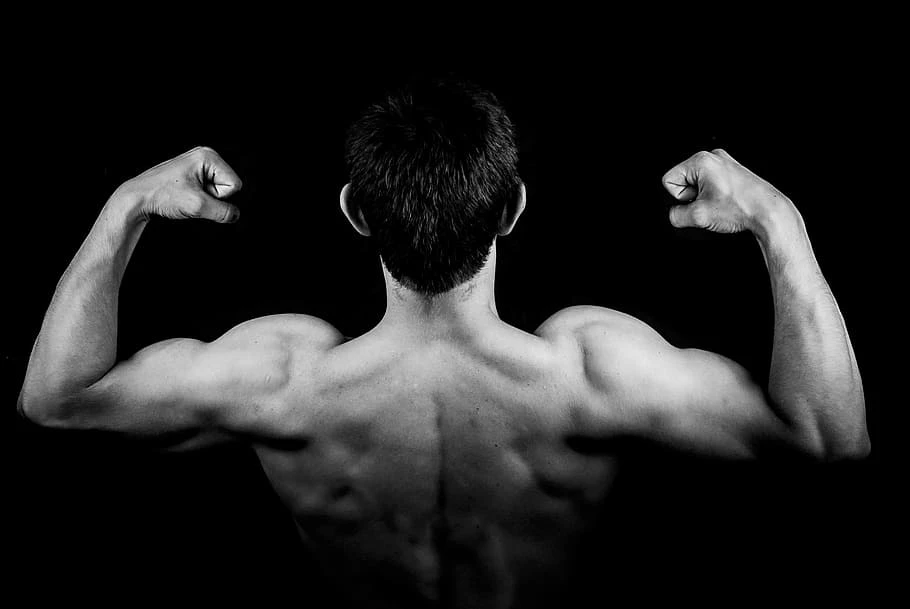

Achieving balanced arm development is not only essential for aesthetics but also for overall strength and functionality. However, addressing bicep dominance and muscle imbalances in the arms can be a challenging endeavor. In this article, we will explore effective training strategies to promote balanced arm musculature and overcome the challenges posed by bicep dominance.
The importance of balanced arm development
Balanced arm development is crucial for both visual symmetry and functional strength. Neglecting certain muscle groups, such as the triceps, can lead to imbalances that may hinder performance and increase the risk of injuries. Therefore, prioritizing balanced arm training is key to achieving optimal results.
Related Article: Reasons Behind Small Tricep Big Bicep
The challenges of addressing bicep dominance
Bicep dominance presents unique challenges in achieving balanced arm musculature. The overdevelopment of the biceps relative to the triceps can create an imbalance that requires specific training strategies to rectify. By understanding these challenges, individuals can implement targeted approaches to address bicep dominance.
Understanding Bicep Dominance and Muscle Imbalance
To effectively address bicep dominance and promote balanced arm development, it is essential to comprehend the nature of bicep dominance and its impact on overall arm aesthetics and strength.
Defining bicep dominance and its impact on arm aesthetics
Bicep dominance refers to a genetic predisposition where the biceps overpower the triceps in terms of size and prominence. This imbalance can lead to an aesthetically unpleasing arm appearance. Rectifying bicep dominance is crucial for achieving harmonious arm aesthetics and proportional muscle development.
The consequences of muscle imbalance on overall arm strength
Muscle imbalances in the arms can have a significant impact on overall arm strength and functionality. Overemphasizing the biceps while neglecting the triceps can compromise the ability to perform compound movements effectively, potentially limiting performance and increasing the risk of overuse injuries. Balancing arm musculature is vital for maximizing strength and optimizing functional abilities.
Targeting the Triceps: Isolation Exercises
To rectify bicep dominance and promote balanced arm development, incorporating specific tricep isolation exercises is essential. Isolation exercises target the triceps directly, allowing for focused growth and improved muscle symmetry.
The significance of tricep isolation exercises
Tricep isolation exercises play a pivotal role in developing and strengthening the triceps. These exercises primarily target the triceps without significant involvement of other muscle groups, enabling concentrated muscular stimulation and growth.
Effective exercises to isolate and strengthen the triceps
Incorporating a variety of tricep isolation exercises into your training routine can help overcome bicep dominance and promote balanced arm development. Exercises such as tricep pushdowns, tricep dips, skull crushers, and overhead tricep extensions can effectively target the triceps and stimulate their growth.
Comprehensive Arm Workouts
Achieving balanced arm development involves more than just targeting the triceps. Comprehensive arm workouts that include both compound and isolation exercises are essential to ensure proportional muscle growth and strength.
Incorporating compound exercises for overall arm development
Compound exercises engage multiple muscle groups simultaneously and provide a foundation for overall arm development. Exercises such as barbell curls, hammer curls, and close-grip bench press involve both the biceps and triceps, promoting balanced muscle growth.
Structuring your workouts to address muscle imbalances
When designing arm workouts, it is important to give special attention to the triceps to address bicep dominance. Allocating sufficient training volume and frequency to tricep exercises, alongside bicep exercises, helps create a balanced training stimulus that promotes proportional arm development.
Progressive Overload and Recovery
To maximize tricep growth and achieve balanced arm musculature, implementing progressive overload techniques and prioritizing recovery are crucial.
Implementing progressive overload to promote tricep growth
Progressive overload involves gradually increasing the stress placed on the triceps over time, promoting muscle adaptation and growth. Manipulating variables such as resistance, sets, reps, and rest intervals ensures continual progression and optimal tricep development.
The importance of rest and recovery for balanced arm development
Adequate rest and recovery are essential for muscle growth and overall arm development. Allowing sufficient time for the triceps to recover between workouts ensures optimal performance and prevents overuse injuries. Incorporating rest days, quality sleep, and proper nutrition supports the recovery process and enhances balanced arm development.
In conclusion, addressing bicep dominance and achieving balanced arm development require targeted training strategies. By incorporating tricep isolation exercises, structuring comprehensive arm workouts, implementing progressive overload techniques, and prioritizing recovery, individuals can overcome muscle imbalances and promote proportional arm musculature. Striving for balanced arm development not only enhances aesthetics but also optimizes strength and functional abilities.











Sign in to leave a comment.