In today’s fast-paced and highly competitive business environment, organizations can no longer rely on disconnected tools, spreadsheets, or manual processes to manage operations. Customers expect faster responses, leaders demand accurate insights, and teams need systems that help them work smarter, not harder. Streamlining operations has become essential for staying competitive and sustainable in the long run.
This is where ERP software emerges as a powerful solution. By bringing all core business functions under one unified platform, ERP solutions act as a central nervous system for modern organizations. From improving efficiency to enabling smarter decision-making, ERP has become a true game-changer for businesses of all sizes.
What is ERP Software?
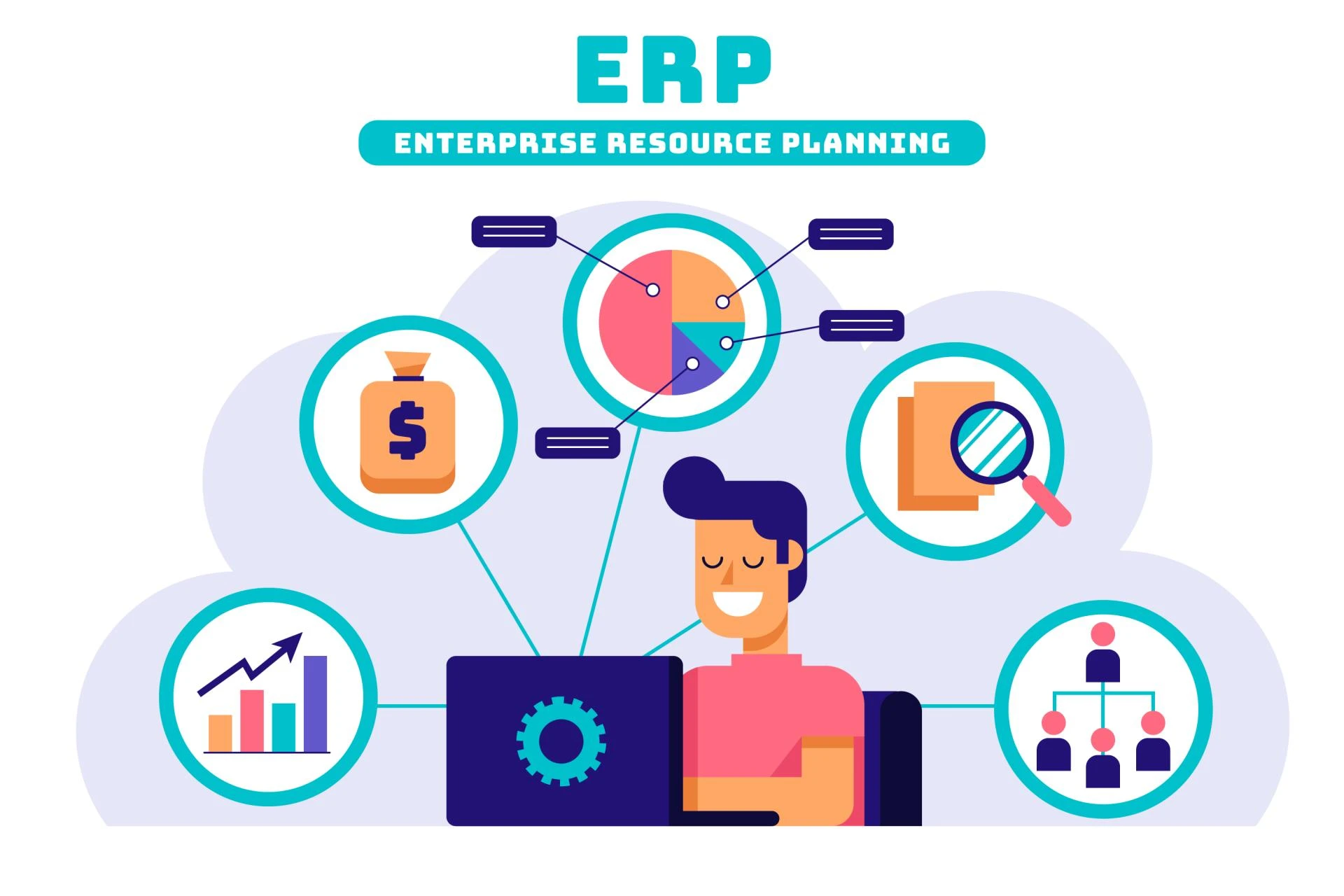
ERP software, or Enterprise Resource Planning software, is an integrated system designed to manage and automate an organization’s core business processes. Instead of using multiple standalone tools for accounting, human resources, inventory, or sales, ERP consolidates everything into a single, unified platform.
The real strength of ERP lies in its ability to integrate functions such as finance, manufacturing HR, supply chain management, procurement, and customer relationship management. All departments work with the same data in real time, reducing duplication and inconsistencies. Businesses adopt ERP to create a seamless workflow where information flows smoothly across teams, enabling better coordination and faster execution.
Benefits of Implementing a Business Management System
A well-implemented business management system powered by ERP delivers significant benefits across the organization. One of the most noticeable advantages is improved efficiency and productivity. By automating repetitive tasks and standardizing processes, employees can focus on strategic and value-driven work instead of manual data entry.
Key Benefits at a Glance
- Improved Operational Efficiency – Automation of routine processes reduces manual effort, minimizes errors, and accelerates day-to-day operations across departments.
- Real-Time Data Visibility – Centralized dashboards and live reports give management instant access to critical business metrics, enabling faster and more informed decisions.
- Enhanced Team Collaboration – With all departments working on a unified platform, information sharing becomes seamless, improving coordination and reducing communication gaps.
- Scalability and Future Readiness – A robust business management system grows with your organization, easily adapting to increased workloads, new locations, or evolving business models.
Role of ERP in Digital Transformation
Digital transformation is no longer optional; it is a necessity for businesses aiming to remain relevant in a technology-driven world. ERP plays a central role in this transformation by helping organizations move from manual, paper-based, or fragmented processes to fully digital operations. By digitizing workflows, ERP reduces human errors, improves process consistency, and lowers operational costs. Automated approvals, real-time inventory tracking, and integrated financial controls streamline operations across the board.
Key Ways ERP Drives Digital Transformation
- Process Automation – ERP replaces manual and repetitive tasks with automated workflows, reducing errors, saving time, and improving overall operational accuracy.
- Centralized Data Management – All business data is stored and accessed from a single platform, ensuring consistency, better visibility, and reliable decision-making.
- Operational Agility – Real-time insights and integrated systems allow businesses to adapt quickly to market changes, supply chain disruptions, and customer needs.
- Enhanced Customer Experience – Faster processing, accurate information, and seamless service delivery help build stronger customer relationships and long-term loyalty.
Key Features to Look for in ERP Software
When selecting ERP software, integration capabilities should be a top priority. The system must connect smoothly with existing tools and third-party applications to avoid data silos. Customizable dashboards and reporting features are also essential, as they allow different teams to track metrics that matter most to their roles. Another important consideration is deployment type. Cloud-based ERP offers flexibility, remote access, and lower upfront costs, while on-premise solutions provide greater control for organizations with specific compliance needs.
Essential ERP Features Explained
- Seamless System Integration – Ensures smooth connectivity with existing software and third-party tools, eliminating data silos and improving workflow efficiency.
- Customizable Dashboards and Reporting – Enables teams to view real-time insights tailored to their specific responsibilities, supporting faster and more accurate decision-making.
- Flexible Deployment Options – Offers both cloud-based and on-premise models to match business size, budget, and compliance requirements.
- Robust Security and Compliance – Protects critical data through encryption, access controls, and compliance with industry regulations, ensuring system reliability and trust.
Tips for Successful ERP Implementation
Successful ERP implementation begins with careful planning and a clear strategy. Organizations must define their goals, map existing processes, and identify gaps before selecting a solution. This preparation ensures the system aligns with business objectives rather than forcing unnecessary changes.
Best Practices for ERP Implementation
- Define Clear Objectives – Set measurable goals and success criteria so the ERP implementation stays aligned with business priorities and expected outcomes.
- Plan and Map Processes – Analyze existing workflows to identify inefficiencies and ensure the ERP system supports optimized, standardized processes.
- Invest in Training and Change Management – Equip employees with proper training and guidance to encourage adoption and reduce resistance to new systems.
- Choose the Right Business Management System – Select an ERP solution that offers scalability, usability, strong vendor support, and long-term flexibility to grow with your organization.
Conclusion
ERP software has become a cornerstone of modern business success. By driving operational efficiency, supporting digital transformation, and strengthening the overall business management system, ERP enables organizations to work smarter and respond faster in an increasingly competitive market. With unified data, improved collaboration, and real-time insights, businesses gain the clarity and control needed to make confident, strategic decisions and achieve long-term growth.
For organizations seeking to scale, enhance performance, and future-proof their operations, Quickensol offers a reliable and flexible approach to business transformation. With powerful features, seamless integration, and scalable architecture, Quickensol helps businesses streamline processes, gain actionable insights, and build a strong foundation for sustainable growth. Choosing Quickensol is not just a technology investment, it is a strategic step toward smarter, more agile business operations.










Sign in to leave a comment.