

Modern architectural design places a high priority on creating building exteriors that are both visually captivating and exceptionally durable. Homeowners and commercial builders alike are increasingly turning to innovative materials that can withstand harsh weather conditions while retaining their pristine aesthetic appeal over time. Among the most popular modern exterior solutions, composite cladding boards have emerged as a premier choice for contemporary cladding applications. By combining the natural warmth and beauty of real wood with the structural strength and resilience of modern engineering, these high-performance exterior panels offer a striking finish that instantly elevates the curb appeal of any property.
Understanding the Material Composition and Engineering
To appreciate why this modern exterior material performs so reliably, it is essential to look at how it is manufactured. Engineered from a precise combination of recycled wood fibers and durable synthetic polymers, composite cladding boards are crafted to outperform traditional timber in every key aspect. This specialized manufacturing process creates a solid, high-density core that effectively resists moisture penetration, preventing common structural issues like rotting, warping, and swelling. Furthermore, advanced outer capping technology shields each board from harsh UV radiation and persistent rain, ensuring that your building envelope maintains its structural integrity and structural performance for decades without deteriorating under severe climate stress.
Essential Maintenance Benefits for Homeowners
One of the most significant advantages of choosing composite cladding boards over real wood exterior solutions is the drastic reduction in ongoing upkeep and maintenance effort. Traditional timber facades demand constant attention, requiring regular sanding, staining, painting, and chemical sealing every few years to guard against decay and pest damage. In contrast, modern engineered cladding maintains its original finish effortlessly, requiring nothing more than an occasional rinse with soap and warm water to remove surface dust and dirt. This hassle-free design saves property owners substantial amounts of time, energy, and ongoing repair money over the lifespan of the installation.
Versatile Design Options for Contemporary Architecture
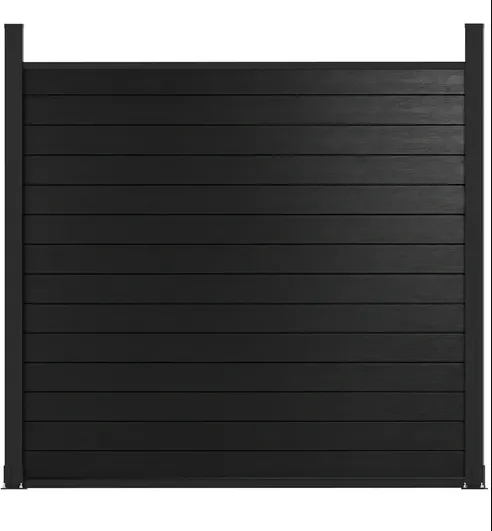
Architectural flexibility is another key reason why composite cladding boards have become a staple in modern residential and commercial design. Available in a vast array of rich wood-grain textures, contemporary matte finishes, and diverse color palettes ranging from deep slate grays to warm teak tones, these panels suit any architectural style. Whether you are aiming for a classic rustic aesthetic, a warm traditional finish, or a sleek minimal accent wall, the versatile profile options—such as tongue-and-groove or open-joint designs—allow architects and builders to execute complex, sophisticated exterior features with complete creative freedom.
Long-Term Value and Sustainability Advantages
Investing in high-quality exterior building materials is a strategic choice that delivers lasting financial and environmental rewards. Installing composite cladding boards significantly boosts the resale value of a property by offering potential buyers a stylish, low-maintenance exterior that is built to endure. Beyond financial returns, these sustainable boards are manufactured largely from post-consumer recycled plastics and reclaimed timber byproducts, helping reduce deforestation and divert waste from landfills. By selecting this durable, eco-friendly exterior solution, you achieve an ideal balance of luxury aesthetics, long-term economic savings, and responsible environmental stewardship for your project.






















Sign in to leave a comment.