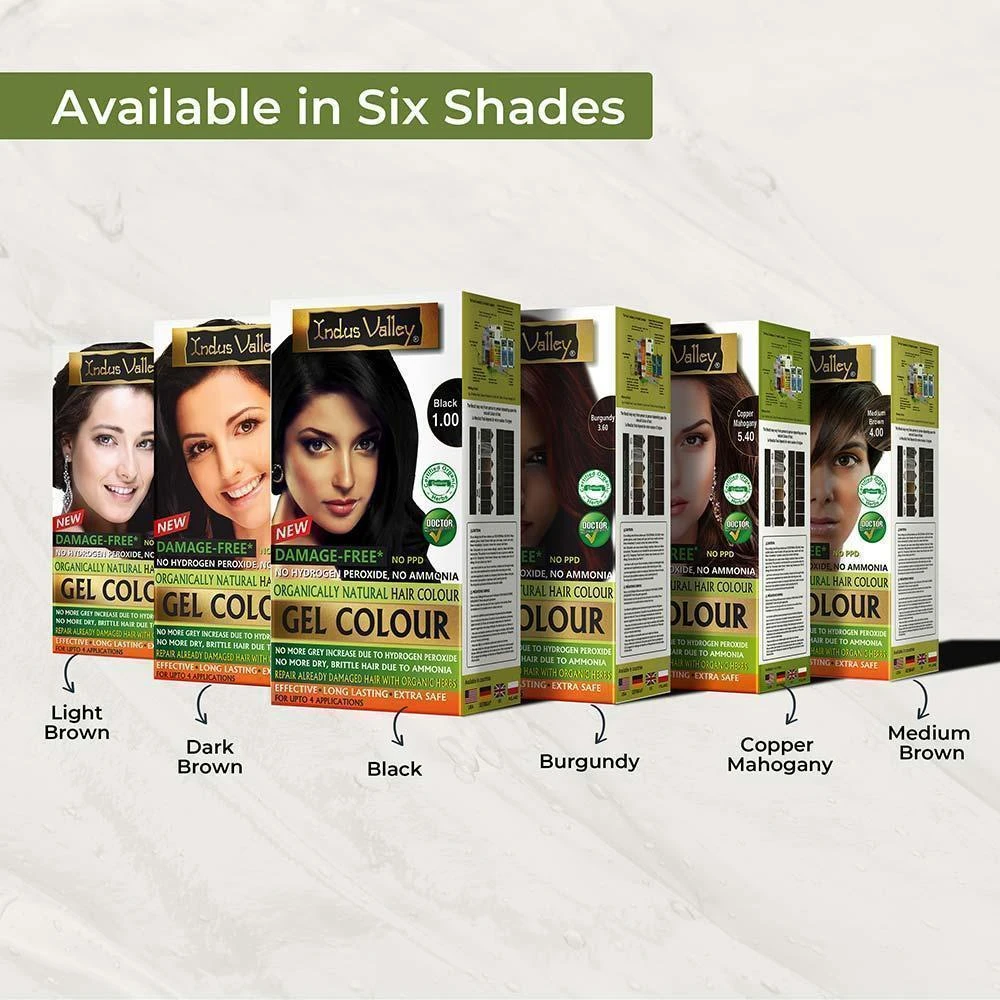

Hair coloring has been a beauty ritual for thousands of years, with ancient civilizations using natural ingredients to enhance their appearance. Today, the beauty industry is experiencing a remarkable shift back to these time-honored methods, as more people discover the benefits of organic hair coloring. This movement represents more than just a trend—it's a conscious choice toward healthier hair care practices.
Understanding Organic Hair Color
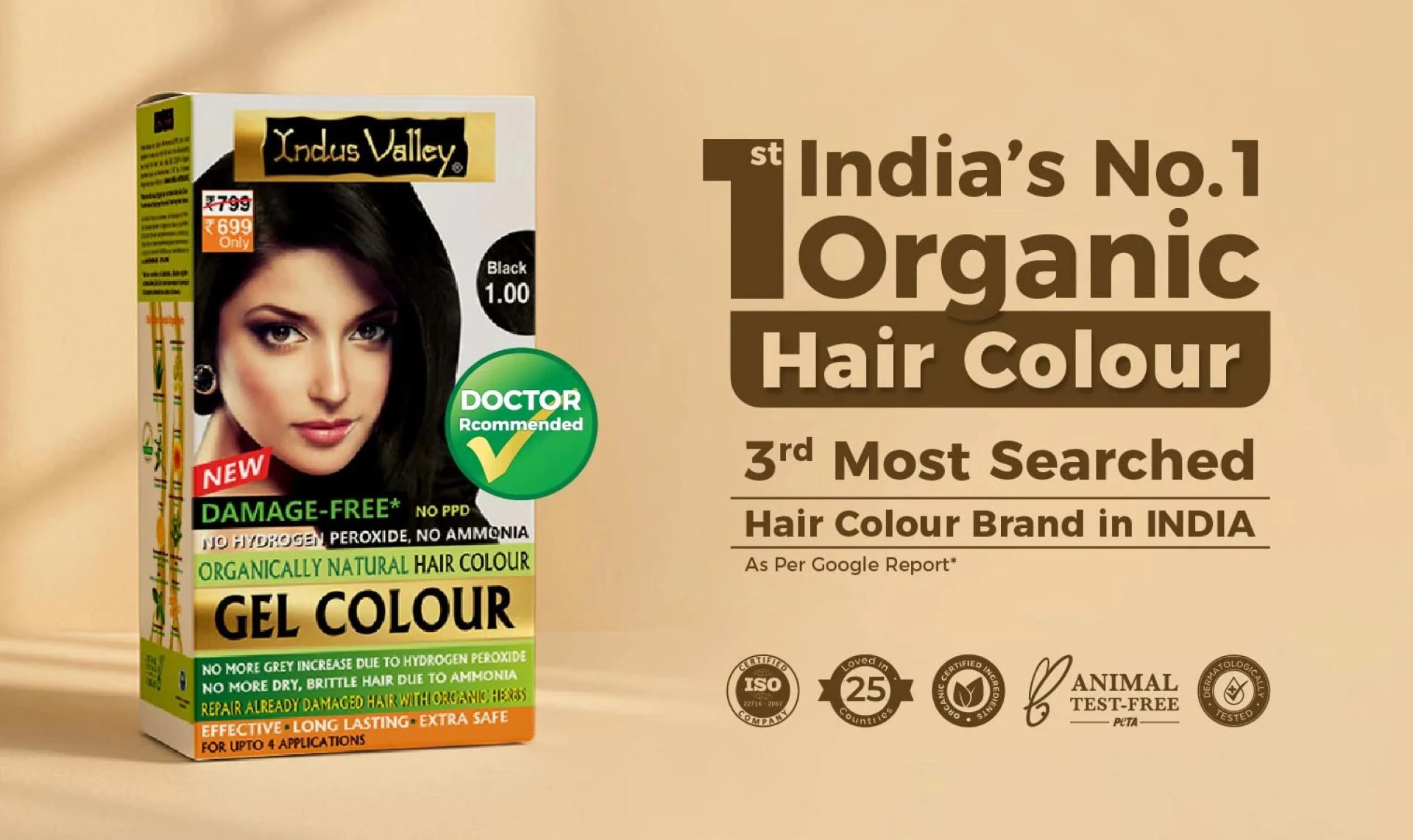
Organic hair color consists of plant-based ingredients sourced directly from nature. These products eliminate synthetic chemicals, artificial additives, and harsh processing agents commonly found in conventional dyes. The primary components include henna, indigo, cassia, and various botanical extracts that have been used for centuries across different cultures.
The process differs from that of chemical dyes. Instead of stripping the hair cuticle and forcing color molecules inside, natural hair colour coat each strand with natural pigments. This gentle approach preserves the hair's natural structure while delivering rich, vibrant results. The coloring process may take longer, but the results are worth the patience.
Benefits That Make a Difference
Choosing organic hair color offers numerous advantages over conventional alternatives. Your scalp will thank you for avoiding ammonia, parabens, and other irritating chemicals that can cause burning, itching, or allergic reactions. Many people with sensitive skin find they can finally color their hair without discomfort.
Hair health improves dramatically with organic coloring. The natural ingredients contain proteins, vitamins, and oils that strengthen hair fibers while adding color. Regular use often results in thicker, shinier, and more manageable hair. The protective coating created by organic pigments shields hair from environmental damage and reduces breakage.
The environmental impact deserves serious consideration. Organic hair colors break down naturally without polluting water systems or harming aquatic life. The production process typically involves sustainable farming practices and eco-friendly packaging, making it a responsible choice for environmentally conscious consumers.
Popular Natural Ingredients and Their Properties
Henna stands as the most recognized organic coloring agent, derived from the Lawsonia inermis plant. This powerful ingredient creates stunning red and auburn shades while conditioning the hair shaft. Pure henna has been used for over 4,000 years and continues to deliver exceptional results.
Indigo powder comes from the Indigofera tinctoria plant and produces deep brown to black colors. When combined with henna, it creates a full spectrum of natural browns. The combination process requires precise timing and specific techniques to achieve the desired results.
Cassia, often called neutral henna, provides conditioning benefits without significant color change. It adds golden highlights to lighter hair while strengthening all hair types. This ingredient is perfect for those wanting healthy hair benefits without a dramatic color transformation.
Other botanical ingredients include chamomile for brightening, walnut hulls for rich browns, and beetroot for subtle red tones. Coffee, black tea, and various fruit extracts contribute additional coloring properties while nourishing the hair.
Application Methods and Techniques
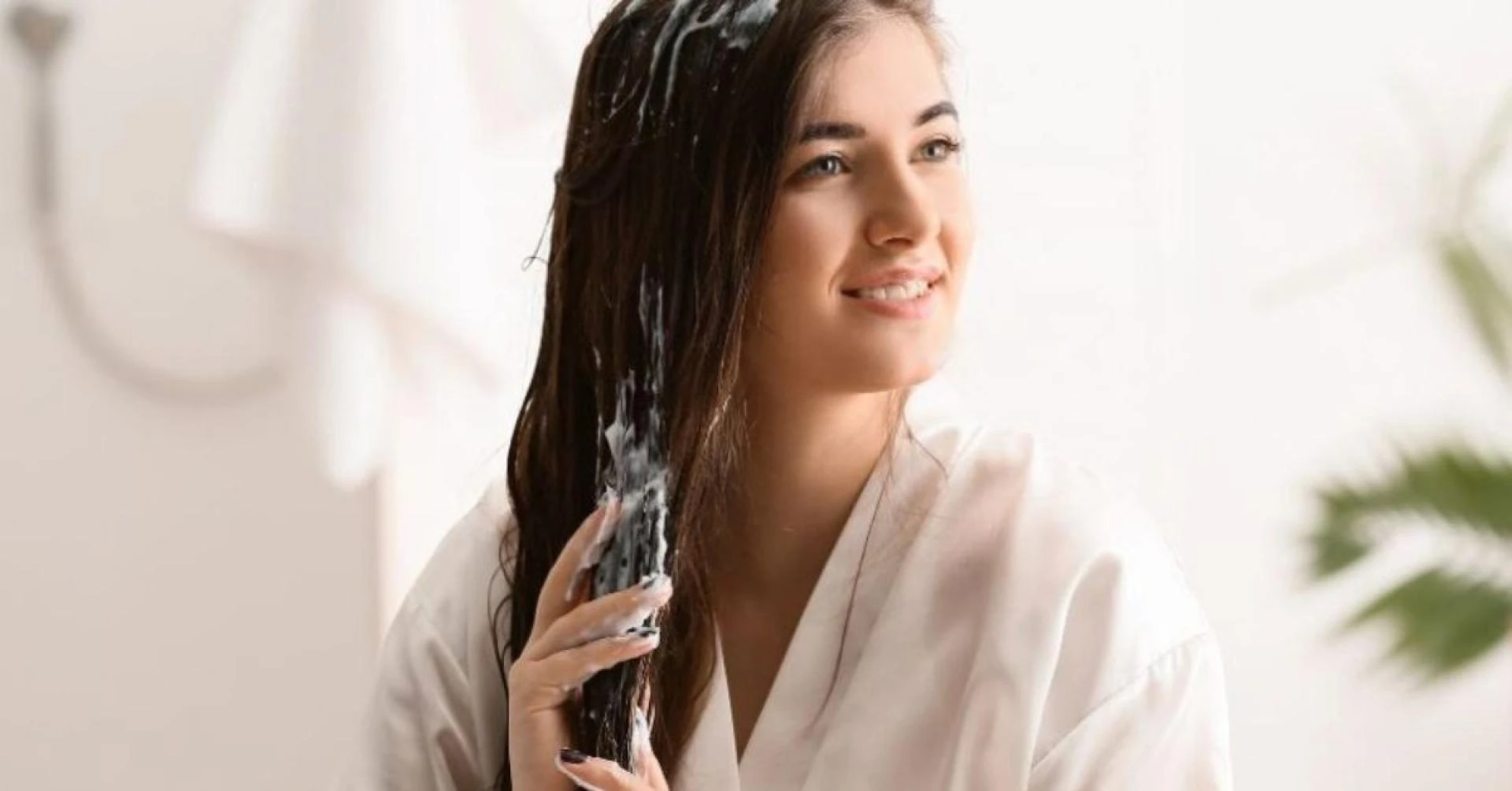
Successful organic hair coloring requires proper preparation and technique. Start with clean, product-free hair to ensure even color absorption. Some formulations work better on slightly damp hair, so follow specific product instructions carefully.
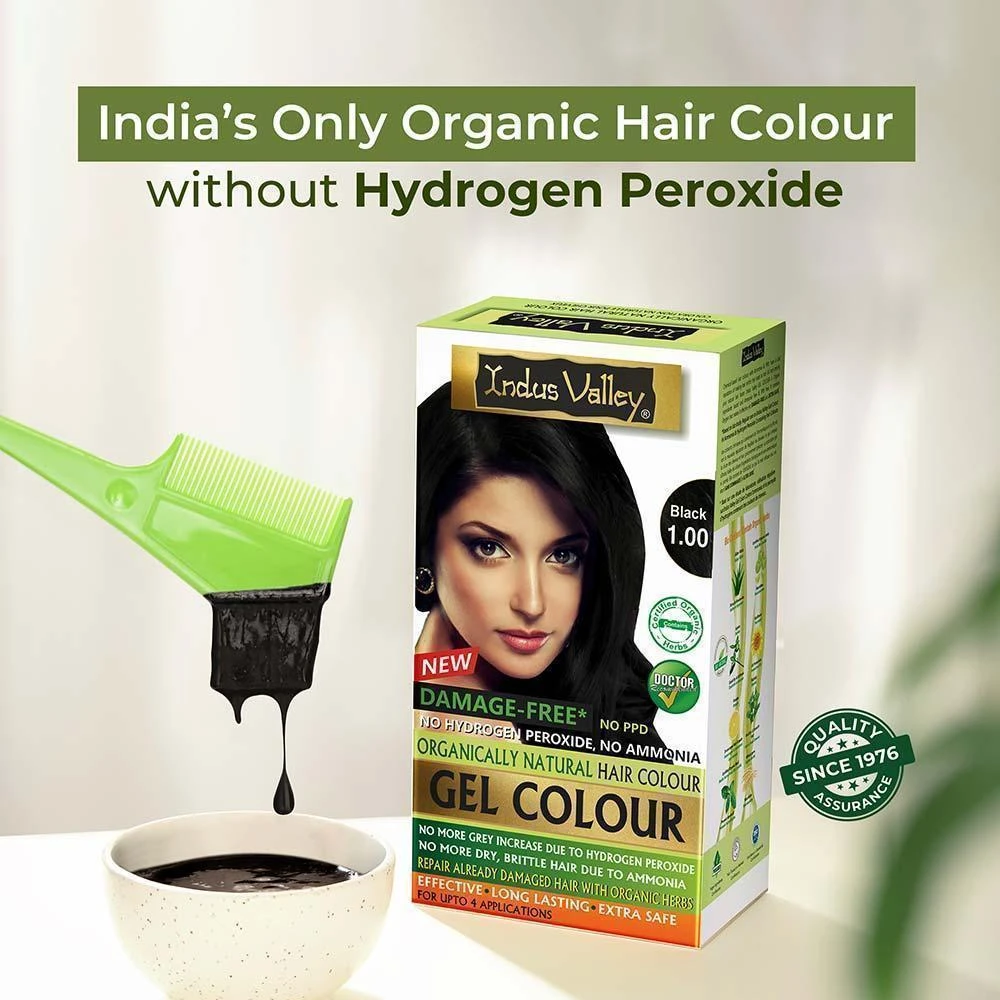
Mixing requires non-metallic bowls and utensils, as metal can react with natural ingredients and affect color results. The consistency should be similar to yogurt—thick enough to stay in place but smooth enough to apply evenly. Adding ingredients like lemon juice, apple cider vinegar, or essential oils can enhance color development and hair condition.
The application should begin at the roots and work systematically through sections. Ensure complete coverage from roots to ends for uniform results. Processing times vary significantly for chemical dyes, often requiring several hours for optimal color development. Heat can accelerate the process, so consider using a hair dryer or sitting in warm sunlight.
Realistic Expectations and Results
Organic hair colors work best for darkening or enriching existing color. Lightening hair requires multiple sessions or professional assistance, as natural ingredients cannot lift pigment like chemical bleaches. The gradual nature of organic coloring means subtle changes that look natural rather than dramatic transformations.
Color longevity depends on hair porosity, aftercare routine, and the specific ingredients used. Most organic colors last between four to eight weeks, fading gradually for a natural appearance. The fade pattern is generally more attractive than chemical dyes, which can develop harsh lines or uneven color distribution.
Results improve with repeated applications. Each treatment builds upon the previous one, creating deeper, richer colors over time. This cumulative effect means your hair color becomes more vibrant and long-lasting with consistent use.
Maintenance and Care Tips
Protecting organic hair color requires specific care routines. Use sulfate-free shampoos to prevent premature fading and maintain color vibrancy. Cold water rinses help seal the hair cuticle and lock in color molecules.
Deep conditioning treatments between coloring sessions keep hair healthy and receptive to future applications. Natural oils like coconut, argan, or jojoba can be applied weekly to maintain moisture balance and enhance shine.
Avoid chlorinated pools and excessive sun exposure, which can alter organic colors unpredictably. When swimming, wear a protective cap or apply a leave-in conditioner to create a barrier against chemicals.
Making the Switch
Transitioning from chemical to organic hair color may require patience and adjustment. Previously chemically treated hair might need several organic applications to achieve the desired results. Consider gradually reducing chemical treatments while incorporating organic options.
Professional consultation can be valuable, especially for complex color changes or if you have previously damaged hair. Many colorists now specialize in organic techniques and can provide guidance tailored to your specific needs and goals.
Frequently Asked Questions
Q1: How long does organic hair color last compared to chemical dyes?
Organic hair color typically lasts 4-8 weeks, depending on your hair type and care routine. While this may be shorter than chemical dyes, the fade is more gradual and natural-looking, without harsh regrowth lines.
Q2: Can organic hair color lighten dark hair?
Organic ingredients cannot lighten hair like chemical bleaches. They work best for darkening or adding richness to existing colors. For lighter results, multiple sessions or professional assistance may be required.
Q3: Is organic hair color safe during pregnancy?
Yes, organic hair colors are generally considered safe during pregnancy since they don't contain harsh chemicals like ammonia or PPD that can be absorbed through the scalp. However, always consult your healthcare provider first.
Q4: Will organic hair color work on gray hair?
Organic colors can cover gray hair, but results vary depending on the percentage of gray and hair texture. Stubborn grays may require pre-treatment or multiple applications for complete coverage.
Q5: How often can I use organic hair color?
Since organic hair color is gentle and conditioning, it can be used more frequently than chemical dyes. Many people apply it every 4-6 weeks or as needed for touch-ups without damaging their hair.
Q6: Can I mix different organic hair color shades?
Yes, organic hair colors can be blended to create custom shades. Experiment with small amounts first to achieve your desired color before applying it to your entire head.
Q7: Why does my organic hair color look different from what I expected?
Several factors affect results: your starting hair color, porosity, processing time, and water quality. Always perform a strand test first and follow instructions carefully for predictable results.
Q8: How do I remove organic hair color if I don't like it?
Organic colors fade naturally over time. To speed removal, use clarifying shampoo, apply oil treatments, or try natural lightening methods like lemon juice and sunlight. Chemical color removers are not recommended.













Sign in to leave a comment.