
Introduction
Having the right window treatments can make a big difference in any room. Blackout blinds are a great option to block out light. They create a darker and more private environment. They look stylish. They can also help insulate your home, reduce noise, and even lower your energy bills.
What Are Blackout Blinds?
Blackout blinds, also known as room darkening shades, are a type of window blind. They block out almost all incoming light. Tightly-woven fabrics make them. To prevent light infiltration, some have a blackout lining on the back. This creates a dark environment, even during the brightest times of day.
Regular blinds let in some light around the edges. In contrast, blackout blinds fit into the window frame to completely cover the glass. When closed, very little outdoor light can sneak in, making the room extra dark.
Benefits of Using Blackout Blinds
There are many benefits to using blackout blinds in your home:
Block Light and Reduce Glare
The main purpose of blackout blinds is to drop light for a darker environment. This is great for bedrooms, home theaters, and nurseries. It's also ideal in any room where you want minimal light. The dark setting helps reduce glare on TVs and monitors for better viewing. It also allows for uninterrupted sleep by creating pitch blackness.
Increase Privacy
With blackout blinds, people can't see inside your home from the outside. This boosts privacy and gives you greater control over your space. Blackout blinds have an opaque effect. They provide privacy and security in bedrooms and other intimate areas.
Improve Energy Efficiency
Blackout blinds act as insulation by forming a tight barrier against heat and cold. This can reduce reliance on heating and cooling systems, lowering energy bills. The extra insulation also helps maintain comfortable temperatures.
Cut Noise
The thick, layered construction of blackout blinds blocks external sounds. By absorbing noise from outside, they allow for quiet and peaceful environments. This is especially helpful for bedrooms, nurseries, and home theaters.
Protect Furnishings from Sun Damage
Excess sun exposure can cause furniture, floors, artwork. other items to fade or deteriorate over time. Blackout blinds mitigate this damage by limiting the amount of direct sunlight indoors. Keeping your space darker preserves furnishings for longer.
Types of Blackout Blinds
There are several types of blackout blinds. They suit your light blocking and decor needs.
Blackout Roller Shades
Blackout roller shades roll up and down on a cylinder. They're compact and provide full coverage with minimal light leakage. Built-in side channels help block peripheral light. Buy blackout liner or BackCoating technology for the largest light blockage.
Blackout Roman Shades
Blackout Roman shades have elegant folded panels when raised. They offer a more decorative look. When lowered, the flat soft folds filter in soft light. They also provide blackout coverage. Lined with thick backing, these shades excel at room darkening.
Blackout Cellular Shades
Cellular blackout shades have a honeycomb-like construction that traps light. With crisp pleats and excellent insulation, they keep rooms extra dark. Dual layers include blackout lining to prevent light infiltration between cells. Cordless options are safer for kids and pets.
Blackout Curtains and Drapes
For large windows and sliding doors, choose light-blocking curtains and drapes. Look for tightly-woven, opaque fabrics, or add blackout lining to regular drapes. Use side drapery or overlap panels to cover glass edges and prevent light gaps.
Tips for Choosing Blackout Blinds
Follow these tips when shopping for blackout blinds:
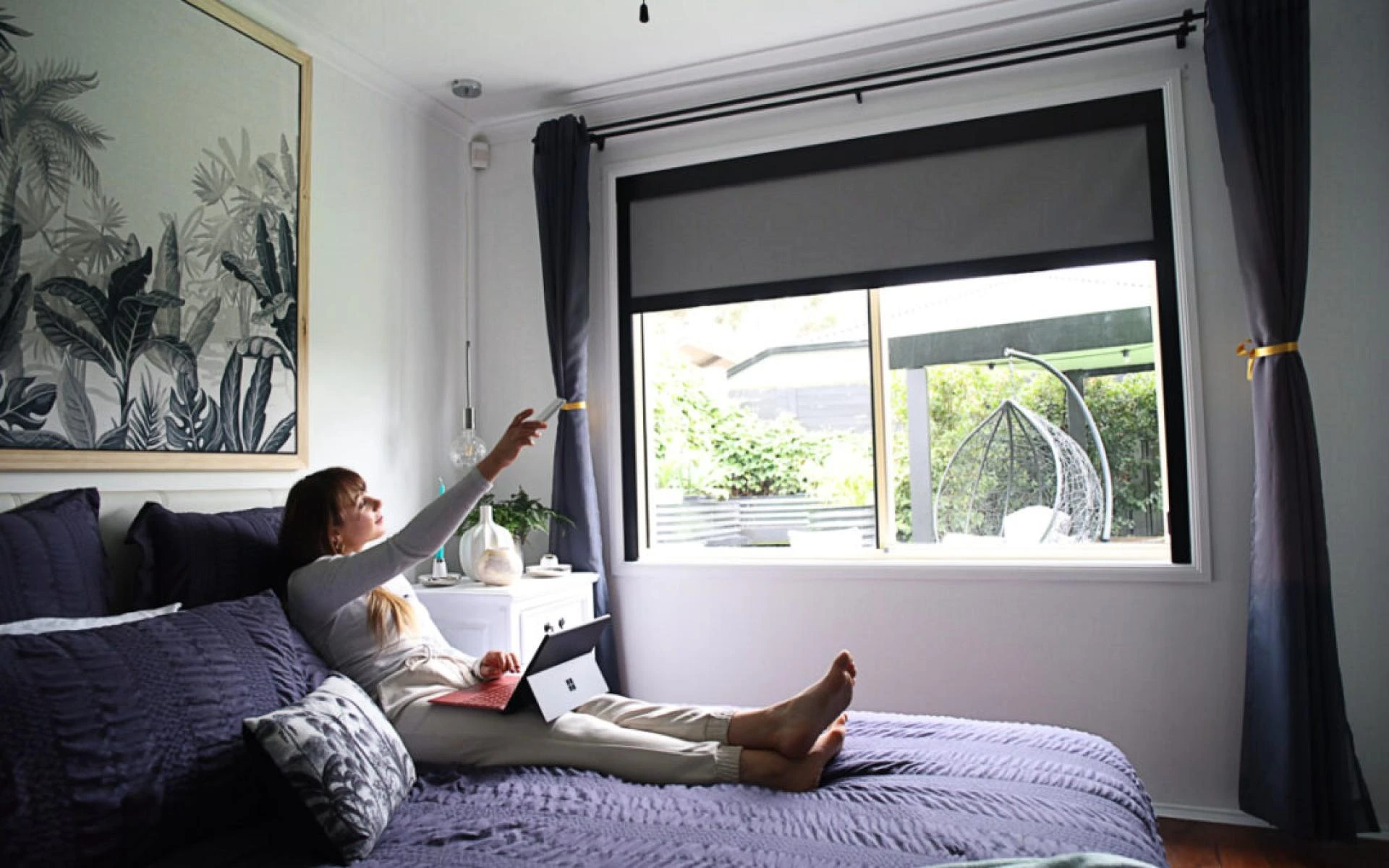
Measure windows for proper fit. Leave no light gaps for largest blackout effects.Look at Blackout Percentage - the higher, the better for keeping out light. Aim for 95% or more.Choose thick, tightly-woven fabrics like faux silk, velvet, dense cotton, or layered materials. This prevents light infiltration.Blackout cellular shades and pleated shades offer insulation and noise reduction too.For blackout liner, look for tightly-woven fabric coatings to tackle peripheral light gaps.Side channels and brushes help seal edges on shades. Curtain overlaps and drapery panels enhance coverage.Layer - combine blackout cellular shades with thick curtains for extra-dark rooms.Automate with remote-control or app-controlled motorized blackout shades. Set schedules, timers, groups, and scenes.Design Styles for Blackout Shades
While excellent at blocking light, blackout shades shouldn't mean sacrificing style. Many colors, patterns, textures and detailing make blackout shades an attractive design element.
Modern and Minimalist
For contemporary spaces, choose simple, streamlined blackout shades. Go for solid neutrals like white, gray, and tan. Clean lines and geometric details complement modern decor. They include square panels and grid patterns. Add texture with linen-look fabrics.
Natural and Cozy
Warm, earthy hues, like chocolate brown, olive, taupe, give a cozy, nature-inspired feel. Pair with wood blinds for organic richness. Soft woven textures and decorative trims make the space feel relaxed and casual.
Bold and Dramatic
Make a dramatic style statement with blackout shades. Choose deep, saturated hues like navy, eggplant, and garnet. Luxurious fabrics like faux silk, chenille and velvet provide rich color. Bold patterns and metallic accents amp up the visual interest.
Classic and Traditional
Traditional rooms enjoy classic blackout shades styles. These include flat Roman shades with decorative trims, or draped curtains. Crisp pleats and tailored details lend refinement. Neutrals and muted patterns keep the look timeless.
Bottom Line
Blackout blinds Dubai are a versatile design solution. They are unique in their ability to block light and improve privacy. They come in myriad colors, textures, and styles. They can transform a space. They also provide practical benefits like insulation, noise reduction, and UV protection. Blackout blinds do the job in style. They control light, reduce glare, and create cozy darkness. With careful selection and proper installation, you'll enjoy a beautiful living space. You'll also get a great night's sleep.
FAQs
What is the difference between blackout and room darkening shades?
Room darkening shades still allow some light to filter through. Engineers design blackout shades to block out almost all incoming light. They provide the most darkness and privacy.
Do I need blackout curtains as well as shades?
For total darkness, use both blackout cellular shades and blackout curtains or drapes. The shades tackle direct light white curtains block out peripheral rays around edges.
Are blackout blinds safe for babies?
Yes, cordless blackout cellular shades are ideal for nurseries. Look for versions without dangling cords or choose cordless curtain tracks for safety.
Can blackout shades reduce noise?
Blackout cellular shades and lined curtains help muffle outside noise through sound absorption. For the most noise reduction, install both shades and curtains on windows.
What colors work best for blackout blinds?
Darker colors like chocolate brown, navy and charcoal reduce light. But blackout shades come in many colors from neutrals to bold hues to match any room's decor.





























Sign in to leave a comment.