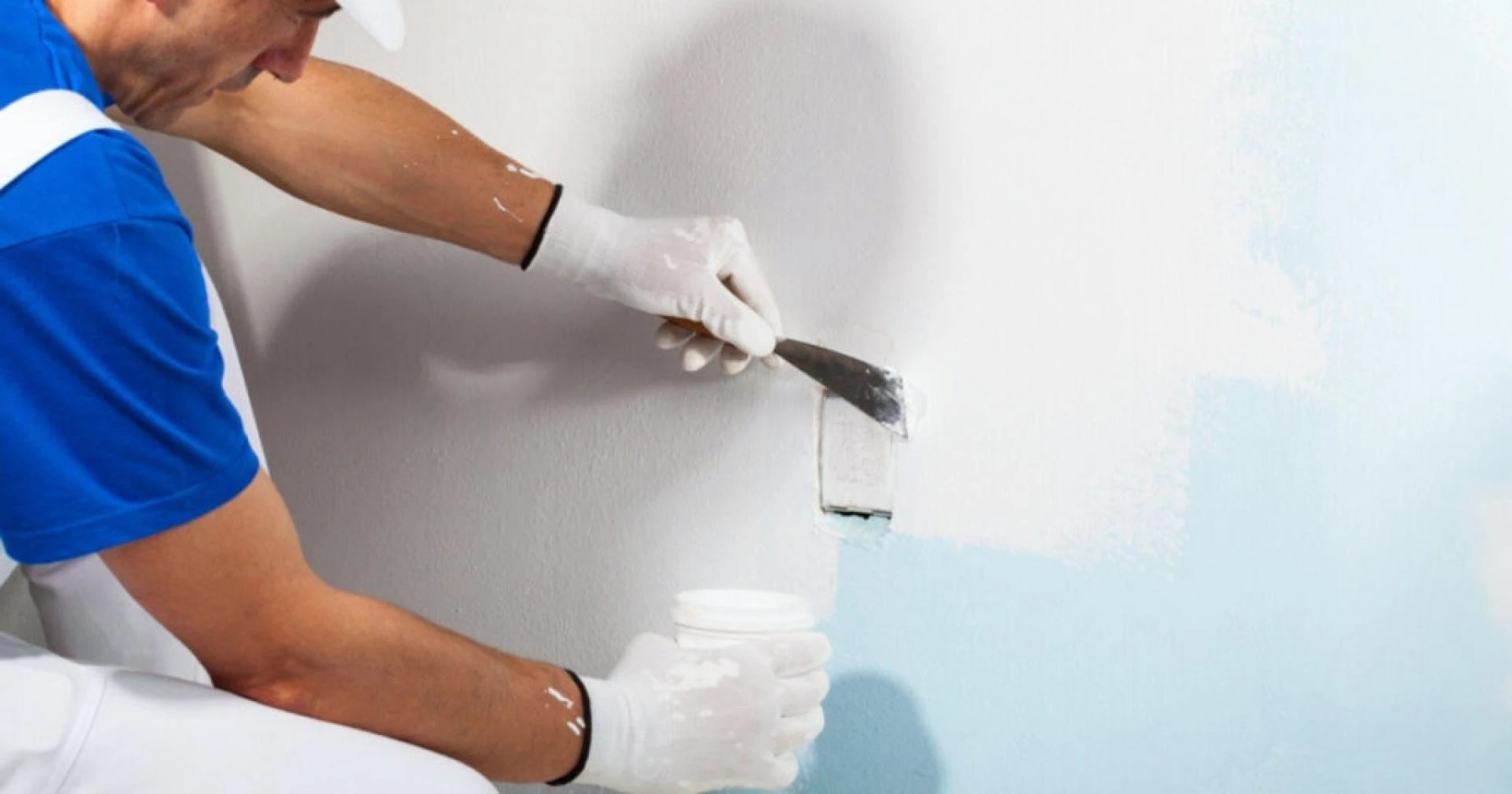

When it comes to home and commercial interior design, the beauty of your walls sets the foundation for the entire look of your space. While high-quality paint is important, wall putty paint plays an equally vital role in achieving a smooth, long-lasting, and professional finish. Often underestimated, wall putty is the secret behind perfectly polished walls that not only look stunning but also stand the test of time.
What Is Wall Putty Paint?
Wall putty paint is a fine, white cement-based powder that’s mixed with water and applied to walls before painting. Its purpose is to create a smooth surface by filling cracks, holes, and imperfections in the wall. Once applied and dried, it forms a strong base for paint adhesion, ensuring that your wall color looks even, vibrant, and flawless.
Unlike plaster, wall putty offers superior bonding strength and smoothness. It also improves the durability of your wall paint, protecting it from moisture and peeling.
Types of Wall Putty
Wall putty comes in two main types, each with distinct benefits depending on the wall surface and paint type:
Cement-Based Wall Putty:
This is the most commonly used type, made with white cement and special polymers. It’s ideal for both interior and exterior walls. Cement putty provides a durable base that resists dampness and moisture, making it suitable for humid climates.
Acrylic Wall Putty:
Acrylic-based putty is water-based and provides a smoother finish for interior walls. It’s easy to apply, dries quickly, and delivers excellent adhesion to all kinds of paints.
For the best results, homeowners often use cement putty on the exterior walls and acrylic putty for interior spaces where a smoother finish is desired.
Benefits of Wall Putty Paint
Applying wall putty before painting offers numerous advantages that go beyond just aesthetics. Here’s why it’s an essential step in modern wall finishing:
Smooth Surface Finish:
Wall putty fills cracks, dents, and irregularities, creating a flat and uniform base. This enhances the final appearance of your paint and gives your walls a professional look.
Improved Paint Adhesion:
Paint adheres better to surfaces that are properly prepared with putty. This means fewer paint layers are required, saving time and money.
Longer Paint Life:
Wall putty prevents paint from flaking, peeling, or fading over time. It acts as a barrier against moisture and environmental damage.
Water Resistance:
Especially with cement-based putty, your walls get added protection from dampness — an important factor in regions with high humidity.
Cost-Effective Investment:
While applying wall putty adds an extra step to your painting process, it significantly extends the life of your paint, reducing maintenance costs in the long run.
How to Apply Wall Putty Paint Properly
Getting that perfect finish requires proper application. Here’s a step-by-step guide:
Surface Preparation:
Clean the wall thoroughly to remove dust, grease, and loose particles. The surface must be dry and free from moisture.
Mixing:
Gradually mix the wall putty powder with clean water until you get a smooth, lump-free paste.
First Coat:
Apply the first coat evenly using a putty blade or trowel. Allow it to dry for 5–6 hours.
Second Coat:
Once the first coat is dry, apply a second coat for a smoother and more refined surface.
Sanding:
After the second coat dries completely, sand the surface lightly with fine sandpaper to remove uneven spots and achieve a silky-smooth finish.
Painting:
Now your walls are ready for priming and painting. The smoother the putty finish, the better your paint will look and last.
Choosing the Right Wall Putty Paint
When selecting wall putty, consider the following factors:
- Location: Use cement-based putty for exterior walls and acrylic putty for interiors.
- Climate: In humid areas like coastal regions, water-resistant putty is ideal.
- Surface Type: Different wall materials (brick, concrete, plaster) require specific putty formulations.
- Brand Reputation: Choose trusted brands known for durability and smooth finish.
A high-quality putty ensures consistent coverage and professional-grade results.
Design and Aesthetic Enhancement
Beyond technical benefits, wall putty also enhances the visual appeal of wall paint designs. Whether you prefer matte, glossy, or textured finishes, the base surface prepared with putty determines how refined your walls will look. Modern homes use wall putty to achieve designer wall effects, creating depth and sophistication in interiors.
Conclusion
A perfect paint job begins long before the first brushstroke — and wall putty paint is the unsung hero behind it. It strengthens your walls, enhances paint life, and ensures an even, polished finish that elevates your space’s beauty.
Whether you’re repainting your home or decorating a new one, investing in good-quality wall putty is a decision you won’t regret. It’s not just about aesthetics — it’s about protection, longevity, and value for money.
So, before you pick up that paint roller, remember: great walls start with great preparation. And the secret lies in choosing and applying the right wall putty paint.




























Sign in to leave a comment.