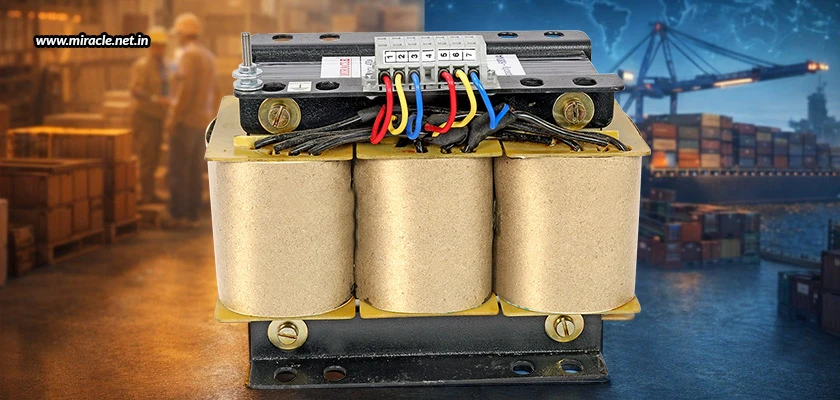

In the current global economy, the procurement of electrical equipment transcends geographical limits, allowing buyers to opt for either domestic or international suppliers. This choice is particularly vital for power transformers, which serve as long-term investments that affect system reliability, efficiency, and safety. Choosing the appropriate source involves more than just considering costs; it necessitates a thorough assessment of quality standards, lead times, regulatory compliance, customization options, after-sales support, and operational risks. Making an informed decision can improve performance and lower long-term costs, whereas a poor choice may lead to delays and failures. This blog presents essential factors to assist businesses in determining the most effective transformer sourcing strategy.
Understanding the sourcing landscape
Transformer sourcing broadly falls into two categories – domestic and imported, where domestic transformers are manufactured within the same country, and imported transformers are procured from international suppliers across the globe. Each approach has its own strengths and constraints, depending on the project requirements and priorities. Let us compare both the options in terms of cost, delivery, quality standards, customization and design flexibility, after-sales support and service, and logistics and supply chain. Additionally, factors such as regulatory compliance, total cost of ownership, and long-term reliability must also be considered for a well-informed sourcing decision.
Cost considerations
Cost is often the first factor buyers evaluate.
- Domestic sourcing
Domestic manufacturers typically offer competitive pricing, especially when logistics and import duties are considered. Since transportation costs are lower and there are no customs-related expenses, the total landed cost can be more predictable. Moreover, domestic sourcing allows for better cost control in long-term projects, particularly when repeat orders or maintenance support is required.
- Imported sourcing
Imported transformers can lead to ending up in additional costs since there are many costs that add up to the initial cost of the product, such as import duties and taxes, freight and insurance, and customs clearance delays. These factors can make imported transformers more expensive.
Lead time and delivery reliability
Timely delivery is crucial for infrastructure and industrial projects.
- Domestic sourcing
Domestic manufacturers offer shorter lead times and greater flexibility in scheduling production. Communication is faster, and urgent requirements can often be accommodated more easily. Moreover, domestic deliveries usually face lesser delays due to the elimination of customs and international shipping.
- Imported sourcing
Imported transformers often involve longer lead times, including manufacturing, international shipping, and customs clearance. Other global supply chain disruptions like port congestion or geopolitical issues can further delay deliveries. These uncertainties can prove to be problematic.
Quality standards and compliance
Transformers must meet strict safety and performance standards.
- Domestic sourcing
Reputable domestic manufacturers in India comply with IS standards, IEC standards, and environmental regulations such as RoHS and REACH. Domestic suppliers are also more familiar with local grid conditions, environmental factors, and regulatory requirements, ensuring better alignment with the domestic application requirements.
- Imported sourcing
Imported transformers may comply with international standards like IEC, ANSI, or UL. However, ensuring compatibility with local regulations is essential. Buyers must verify certification validity, testing reports, and compliance with Indian grid requirements. Failure to do so can result in installation issues or regulatory non-compliance.
Customization and design flexibility
Not all applications can be served by standard transformer designs.
- Domestic sourcing
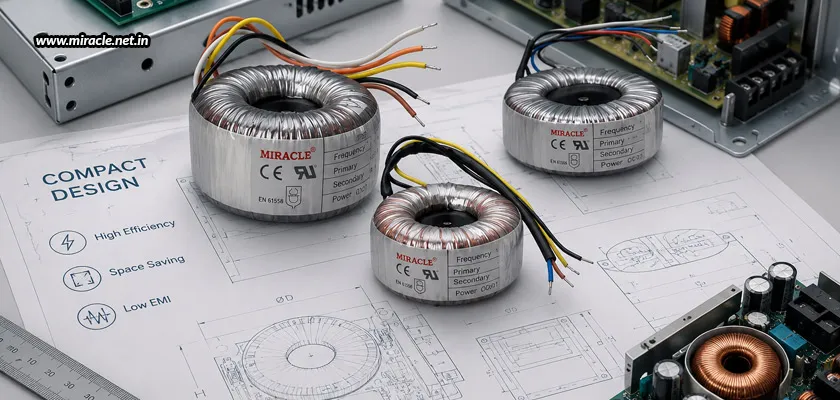
Domestic manufacturers typically offer greater customization flexibility, including voltage and current specifications, compact or space-saving designs, low-noise transformers, and special insulation and cooling configuration requirements. Close collaboration with local manufacturers allows for faster design iterations and better alignment with project requirements.
- Imported sourcing
Imported transformers are often standardized products. Customization may be limited, or may require longer lead times and higher costs. Communication barriers and time zone differences can further complicate design modifications.
After-sales support and service
Transformers require ongoing maintenance and occasional troubleshooting.
- Domestic sourcing
One of the biggest advantages of domestic sourcing is accessible after-sales support. Local manufacturers can provide on-site service and inspections, faster technical assistance, and easier availability of spare parts. This reduces downtime and ensures smooth operation throughout the transformer’s lifecycle.
- Imported sourcing
After-sales support for imported transformers can be challenging due to limited local service presence, communication gaps, and delays in spare parts availability. These limitations can lead to extended downtime and higher operational costs.
Logistics and supply chain risks
Supply chain reliability has become a major concern today.
- Domestic sourcing
Domestic supply chains are generally more stable and predictable, with fewer dependencies on international logistics. This minimizes risks related to shipping delays, customs clearance issues, and global trade disruptions.
- Imported sourcing
Imported transformers are exposed to multiple supply chain risks, including shipping delays, trade restrictions or tariffs, and port congestion. These uncertainties can significantly impact project timelines.
When to choose what
Domestic sourcing is ideal when fast delivery, compliance with local standards, and strong after-sales support are critical. It is also preferred when long-term maintenance and serviceability are key priorities. In contrast, imported transformers are suitable when highly specialized technology is required and the supplier offers strong global expertise with local support presence. In many cases, the decision is not strictly domestic versus imported, but about balancing cost, quality, and reliability. Buyers should assess technical capability, certifications, proven track record, and responsiveness before selecting a supplier. For reliable power transformers in India, Miracle Electronics offers custom-engineered solutions that combine quality, compliance, and performance. With adherence to RoHS, REACH, and global standards, along with strong technical support and efficient delivery, Miracle Electronics stands out as a trusted partner for long-term transformer reliability.
Choosing between domestic and imported transformers is a critical decision that impacts not only project cost but also performance, reliability, and long-term operational efficiency. While imported transformers may offer certain advantages in cost or specialized technology, domestic sourcing provides clear benefits in terms of lead time, customization, compliance, and after-sales support. For most applications, especially in fast-growing markets like India, domestic manufacturers offer a more reliable and cost-effective solution when considering the full lifecycle of the transformer. Careful evaluation of project requirements, operating conditions, and supplier capabilities further ensures optimal performance, reduced risks, and sustainable value over time.
Resource: Transformer Sourcing Decisions: Domestic Vs. Imported

























Sign in to leave a comment.