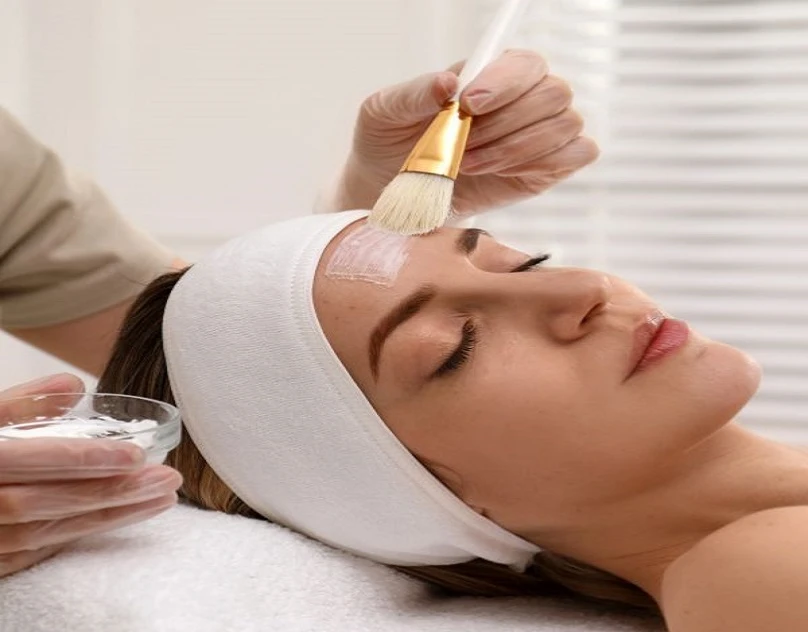

Melasma is a common skin condition that causes dark, discolored patches on the face, particularly on the cheeks, forehead, nose, and upper lip. It is often triggered by sun exposure, hormonal changes, and genetics, making it challenging to treat with regular skincare products. For individuals struggling with melasma, Chemical Peeling in Islamabad is an effective treatment that helps lighten pigmentation, even out skin tone, and promote cell turnover.
A chemical peel works by exfoliating the damaged outer layers of skin, reducing melanin buildup, and stimulating new skin growth. If you are looking for a solution to treat melasma, Chemical Peeling in Islamabad offers advanced treatments tailored to different skin types.
In this blog, we will explore how chemical peels help with melasma, the best types of peels for pigmentation, and what you should expect from the treatment.
Understanding Melasma: Causes and Triggers
Melasma is a type of hyperpigmentation caused by an overproduction of melanin, the pigment responsible for skin color. Common triggers include:
✔ Sun Exposure – UV rays stimulate melanin production, worsening dark patches.
✔ Hormonal Changes – Pregnancy, birth control pills, and hormonal imbalances contribute to melasma.
✔ Genetics – A family history of melasma increases the risk.
✔ Skincare Products – Harsh chemicals or irritants can trigger pigmentation.
✔ Heat and Inflammation – Excess heat exposure can lead to skin discoloration.
Because melasma often develops deep within the skin, it requires professional treatments like chemical peels to break down stubborn pigmentation and restore an even skin tone.
How Chemical Peels Help Treat Melasma
A chemical peel involves applying a controlled acid solution to exfoliate the outer layers of the skin, reducing the appearance of dark patches and stimulating new cell growth. This treatment benefits melasma patients in several ways:
✔ Exfoliates Pigmented Cells – Removes damaged skin layers to lighten melasma spots.
✔ Regulates Melanin Production – Balances pigment production to prevent further discoloration.
✔ Boosts Skin Renewal – Encourages faster cell turnover, helping skin look brighter and more even.
✔ Enhances Absorption of Skincare Products – Improves penetration of melasma-fighting serums like vitamin C and hydroquinone.
Best Chemical Peels for Melasma
Not all chemical peels are suitable for melasma. The right type of peel depends on skin sensitivity, melasma severity, and treatment goals. Below are the most effective chemical peels for treating melasma:
1. Glycolic Acid Peel
✔ Best for: Mild melasma and uneven skin tone.
✔ How It Works: This AHA-based peel exfoliates the surface layer, reducing pigmentation.
✔ Benefits: Brightens the skin, evens tone, and enhances collagen production.
✔ Downtime: Minimal redness and peeling for 2-3 days.
🔹 Ideal for individuals with early-stage melasma or mild pigmentation.
2. Lactic Acid Peel
✔ Best for: Sensitive skin and mild melasma.
✔ How It Works: This gentle AHA peel hydrates the skin while breaking down dark spots.
✔ Benefits: Lightens pigmentation, smooths skin texture, and prevents irritation.
✔ Downtime: Very mild peeling for 2-3 days.
🔹 Suitable for those with dry or sensitive skin prone to irritation.
3. Salicylic Acid Peel
✔ Best for: Oily skin with pigmentation and acne.
✔ How It Works: This BHA peel penetrates deep into the pores, reducing melasma and breakouts.
✔ Benefits: Controls oil production, brightens skin, and treats post-inflammatory hyperpigmentation.
✔ Downtime: Mild peeling for 3-5 days.
🔹 Ideal for individuals with melasma and acne-prone skin.
4. TCA (Trichloroacetic Acid) Peel
✔ Best for: Stubborn and deep-seated melasma.
✔ How It Works: A medium-depth peel that penetrates deeper layers to remove excess melanin.
✔ Benefits: Treats moderate to severe pigmentation, reduces sun damage, and enhances collagen.
✔ Downtime: Visible peeling for 7-10 days.
🔹 Recommended for those with long-term, resistant melasma.
5. VI Peel
✔ Best for: All skin types with moderate to severe melasma.
✔ How It Works: A combination peel that contains TCA, retinoic acid, and phenol, targeting deep pigmentation.
✔ Benefits: Fades dark spots, enhances skin brightness, and evens out skin tone.
✔ Downtime: Peeling for 5-7 days.
🔹 Best for individuals looking for a strong yet effective chemical peel for melasma.
How Many Sessions Are Needed for Melasma Treatment?
✔ Mild Melasma – 3-4 sessions, spaced 3-4 weeks apart.
✔ Moderate Melasma – 5-6 sessions, every 4-6 weeks.
✔ Severe Melasma – Multiple treatments over several months.
For long-term maintenance, chemical peels should be combined with daily sun protection and pigmentation-fighting skincare.
What to Expect Before, During, and After a Chemical Peel for Melasma?
Before Treatment
✔ Consultation – A dermatologist will assess your skin type and melasma severity.
✔ Pre-Treatment Care – Avoid retinoids, exfoliants, and excessive sun exposure for a week.
During Treatment
✔ Cleansing – The skin is thoroughly cleansed before application.
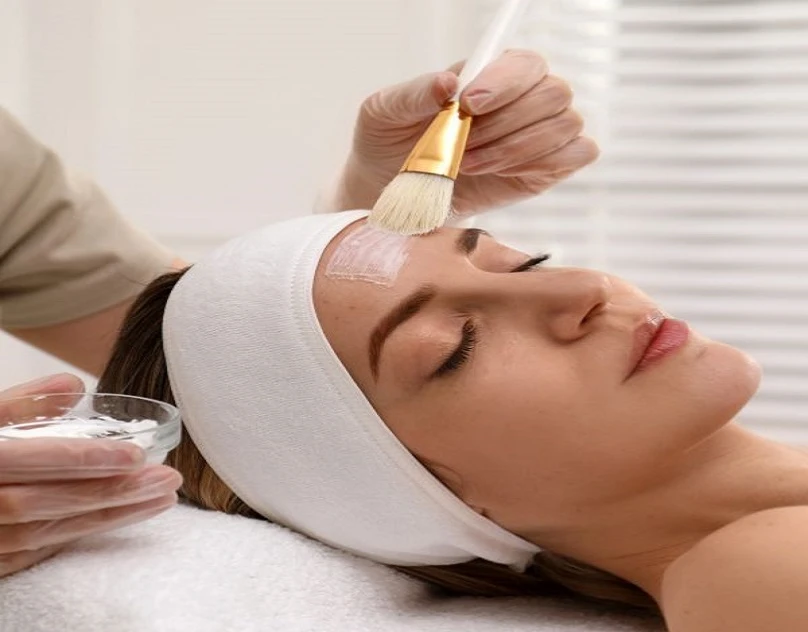
✔ Application of Peel – The chemical solution is applied for a few minutes.
✔ Mild Tingling or Burning – A temporary warm sensation is normal.
After Treatment
✔ Mild Redness & Peeling – Expect flaking and mild irritation for a few days.
✔ Sun Protection is Critical – Wear SPF 50 sunscreen daily to prevent further pigmentation.
✔ Moisturize & Avoid Harsh Products – Use gentle skincare to support skin recovery.
Visible results appear within a few weeks, with gradual improvement over multiple sessions.
Can Chemical Peels Permanently Remove Melasma?
✔ Chemical peels help lighten melasma, but maintenance treatments are necessary.
✔ Sun protection and topical treatments (like hydroquinone and vitamin C) enhance results.
✔ A combination approach, including laser treatments and oral medications, may be recommended for severe cases.
How to Prevent Melasma from Returning?
✔ Use Daily Sunscreen – UV exposure is the leading cause of melasma recurrence.
✔ Avoid Hormonal Triggers – Birth control pills and pregnancy may worsen melasma.
✔ Follow a Consistent Skincare Routine – Use brightening agents like kojic acid and niacinamide.
✔ Get Regular Chemical Peels – Maintenance treatments every 2-3 months help control pigmentation.
Conclusion: Is Chemical Peeling the Right Choice for Melasma?
For individuals struggling with stubborn melasma, chemical peels offer a safe and effective solution. They work by:
✔ Exfoliating damaged skin layers
✔ Reducing excess melanin production
✔ Brightening and evening out skin tone
For expert Chemical Peeling in Islamabad, visit Dynamic Clinic. Their experienced dermatologists provide customized treatments to help you achieve a clearer and more radiant complexion. Book your consultation today!


















Sign in to leave a comment.