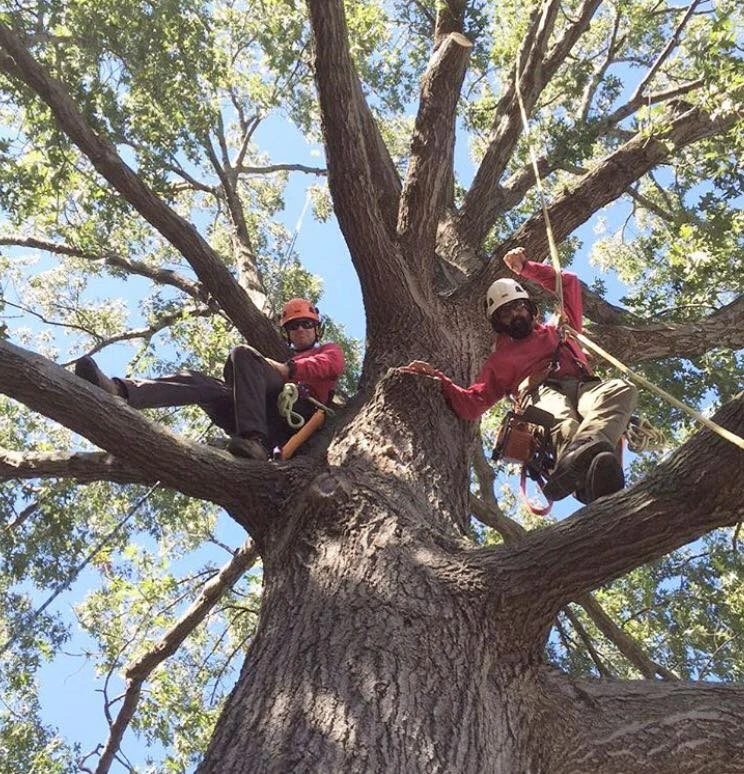

Trees are one of the most valuable parts of any residential landscape. They provide shade, improve curb appeal, and even help lower cooling costs. Yet many homeowners don’t realize that trees require regular attention, just like any other part of a property. Small warning signs often go unnoticed until a tree becomes a safety hazard or an expensive problem.
Many property owners only think about tree care after a storm, when branches break or a tree falls. In reality, most serious tree failures start with issues that develop slowly over time. Consulting an arborist in Miami can often reveal hidden problems that are easy to miss during everyday yard maintenance. Early detection usually means simpler, more affordable solutions.
Understanding what to watch for can help prevent damage to your home, vehicles, and surrounding landscape. Below are some of the most common tree issues homeowners tend to overlook.
Early Signs of Tree Stress
Trees rarely decline overnight. Most problems begin with subtle changes that can be difficult to recognize if you don’t know what to look for.
Unusual Leaf Changes
Leaves are one of the first indicators of a tree’s health. When something is wrong, foliage often tells the story.
Watch for:
- Leaves turning yellow or brown out of season
- Smaller-than-normal leaf size
- Uneven leaf growth across the canopy
- Early leaf drop
These symptoms may point to:
- Nutrient deficiencies
- Root damage
- Poor soil conditions
- Water stress
Many homeowners assume leaf discoloration is normal aging, especially in South Florida’s climate. However, consistent changes often signal deeper problems.
Reduced Growth and Thinning Canopy
A thinning canopy is another early warning sign. When branches begin losing leaves or new growth slows, the tree may be under stress.
Possible causes include:
- Compacted soil
- Root restrictions
- Pest infestations
- Internal decay
A healthy tree typically produces steady growth. If your tree looks sparse compared to previous years, it’s worth investigating.
Hidden Root Problems
Roots are the foundation of a tree, yet they remain completely out of sight. Because they are invisible, root issues are among the most frequently ignored problems.
Soil Compaction Damage
In residential areas, soil compaction is extremely common. Heavy foot traffic, parked vehicles, and construction activities compress the soil around trees.
Compacted soil:
- Limits oxygen flow to roots
- Restricts water absorption
- Weakens root development
Signs of compaction include:
- Poor growth
- Wilting despite watering
- Surface roots becoming exposed
Even routine activities like parking on grass can gradually damage a tree’s root system.
Construction-Related Root Injury
Home renovations, driveway installations, and utility work often disrupt root zones.
Common mistakes:
- Cutting roots without realizing the impact
- Digging trenches too close to the trunk
- Changing soil grade around the tree
Root injuries may not show immediate symptoms. Decline can appear months or even years later, which makes the connection easy to miss.
Improper Pruning Practices
Pruning is one of the most misunderstood aspects of tree care. Many homeowners believe any trimming improves a tree’s health, but incorrect techniques can cause serious damage.
Over-Pruning Risks
Removing too much foliage weakens a tree’s ability to produce energy.
Over-pruning can lead to:
- Stress and slow recovery
- Increased pest vulnerability
- Sunburned bark
- Weak regrowth
Trees depend on leaves for survival. Excessive trimming reduces their capacity to stay healthy.
Incorrect Cutting Techniques
Improper cuts often create long-term problems.
Common pruning errors:
- Cutting too close to the trunk
- Leaving large stubs
- Topping the tree
These mistakes:
- Encourage decay
- Invite disease
- Create structurally weak branches
Pruning should improve structure and safety, not compromise the tree’s stability.
Structural Weakness and Branch Hazards
Not all tree dangers are obvious. Many risks develop quietly within the tree’s structure.
Cracks and Splits
Small cracks may seem harmless but can indicate serious structural stress.
Look for:
- Vertical splits in the trunk
- Cracks near branch unions
- Peeling or separated bark
Cracks often result from:
- Wind stress
- Poor pruning
- Internal decay
Ignoring them increases the chance of sudden branch failure.
Weak Branch Attachments
Branches with poor attachments are especially dangerous.
Warning signs:
- Narrow V-shaped unions
- Included bark
- Heavy limbs extending outward
Weak attachments are prone to breaking, particularly during storms or strong winds.
Pest and Disease Activity
Tree pests and diseases are common in South Florida, yet early symptoms frequently go unnoticed.
Subtle Pest Indicators
Infestations often begin with minor signs.
Watch for:
- Small holes in bark
- Sticky residue on leaves
- Sawdust-like material near the trunk
- Unusual leaf damage
Pests can:
- Weaken branches
- Spread disease
- Cause internal damage
Early treatment is typically more effective and less costly.
Slow-Developing Diseases
Diseases may progress gradually.
Symptoms may include:
- Dead sections of the canopy
- Discolored bark
- Fungus growth at the base
- Unusual swelling or deformities
Many diseases can be managed if caught early. Delay often leads to removal as the only solution.
Drainage and Water Issues
Water plays a critical role in tree health, but both excess and deficiency can cause damage.
Poor Drainage Problems
Standing water can suffocate roots.
Effects of poor drainage:
- Root rot
- Reduced oxygen levels
- Increased disease risk
Signs include:
- Yellowing leaves
- Wilting
- Fungal growth
Kendall’s heavy rains make drainage a common concern.
Inconsistent Watering
Irregular watering patterns stress trees.
Problems arise when:
- Trees are watered too little
- Watering is uneven
- Irrigation systems malfunction
Stress weakens the tree’s defenses, making it more vulnerable to pests and disease.
Trunk and Bark Damage
Damage to a tree’s trunk often receives less attention than visible branch problems, yet it can be just as serious.
Mechanical Injuries
Everyday yard activities frequently cause bark damage.
Common sources:
- Lawn equipment
- Vehicles
- Construction tools
Bark injuries:
- Expose the tree to decay
- Invite insects
- Interrupt nutrient flow
Even small wounds can become major problems over time.
Hidden Internal Decay
Internal decay is not always visible.
Warning indicators:
- Hollow sounds when tapped
- Mushroom growth
- Soft or crumbling wood
Decay weakens structural integrity and increases failure risk.
Why These Issues Often Go Unnoticed
Most homeowners are not trained to evaluate tree health. Subtle symptoms can be mistaken for normal seasonal changes or minor cosmetic concerns.
Several factors contribute to overlooked problems:
- Trees decline slowly
- Symptoms appear mild at first
- Issues develop underground
- Lack of specialized knowledge
Unlike a broken fence or damaged roof, tree problems are rarely urgent until something fails.
The Cost of Ignoring Tree Problems
Delaying tree care often leads to larger expenses and greater risks.
Potential consequences include:
- Property damage
- Injury hazards
- Emergency removal costs
- Loss of valuable landscape features
Preventive care is almost always more affordable than reactive solutions.
Practical Steps Homeowners Can Take
You don’t need advanced expertise to improve tree care. Simple habits can make a significant difference.
Regular Visual Inspections
Walk your property periodically and check for:
- Dead branches
- Leaf discoloration
- Cracks or splits
- Fungus growth
Consistent observation helps detect problems early.
Professional Evaluations
Periodic assessments by a qualified tree specialist provide deeper insight.
Benefits include:
- Early problem detection
- Accurate diagnosis
- Safe pruning strategies
- Long-term health planning
Professional guidance often prevents costly mistakes.
Protecting Trees and Property Value
Healthy trees contribute to:
- Higher property value
- Improved curb appeal
- Better shade coverage
- Safer outdoor spaces
Investing in tree care protects both aesthetics and safety.
Trees are long-term assets, but they are not maintenance-free. Many serious problems begin with small, subtle warning signs that are easy to overlook. Paying attention to early symptoms, root conditions, pruning practices, and structural integrity can prevent major headaches later.
A proactive approach keeps landscapes safer, healthier, and more visually appealing. Regular inspections and timely care help ensure your trees remain an advantage rather than a liability.








Sign in to leave a comment.