
Tree stumps, while reminiscent of nature\'s beauty, can pose various challenges for property owners. Whether you\'re a homeowner or managing a commercial space, dealing with tree stumps becomes inevitable at some point. In this guide, we\'ll delve into the intricacies of tree stump removal, exploring methods, safety precautions, cost factors, and more.
Introduction to Tree Stump Removal
Tree stump removal involves the extraction of the remaining portion of a tree after it has been cut down. While some may opt to leave stumps untouched, they can become eyesores and potential hazards over time.
Reasons for Removing Tree Stumps
Safety Concerns
One of the primary reasons for removing tree stumps is safety. Stumps can pose tripping hazards, especially in areas frequented by children or elderly individuals.
Aesthetics
From a landscaping perspective, tree stumps can detract from the overall appearance of your property. Removing them can enhance the visual appeal of your outdoor space.
Preventing Regrowth
Tree stumps left in the ground have the potential to sprout new growth, leading to the reemergence of unwanted vegetation. Removing the stump eliminates this possibility.
Methods of Tree Stump Removal
Grinding
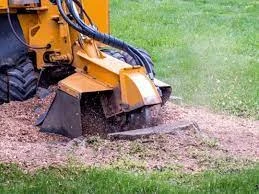
Stump grinding involves using specialized equipment to grind the stump down below ground level. This method is efficient and minimizes the disturbance to surrounding landscaping.
Chemical Removal
Chemical stump removers accelerate the decomposition process, making it easier to remove the stump manually. However, this method requires patience as it can take several weeks to see results.
Manual Extraction
For smaller stumps, manual extraction may suffice. This method involves digging around the stump and using tools to pry it out of the ground.
Hiring Professionals vs. DIY
Deciding between hiring professionals or tackling stump removal as a DIY project depends on various factors, including the size of the stump, available time, and budget.
Equipment Needed for DIY Removal
If you choose to remove a tree stump yourself, you\'ll need the appropriate equipment, including a chainsaw, shovel, mattock, and safety gear.
Steps for DIY Tree Stump Removal
Assessing the Stump
Before beginning the removal process, assess the size and condition of the stump to determine the most suitable approach.
Preparing the Area
Clear the area surrounding the stump of any debris and ensure there are no obstacles that could impede the removal process.
Executing the Removal Process
Follow the chosen method of removal carefully, taking necessary safety precautions to avoid injury.
Safety Precautions
When removing tree stumps, prioritize safety by wearing protective gear, following manufacturer instructions for equipment, and exercising caution throughout the process.
Aftercare and Landscaping
Once the stump has been removed, fill the hole with soil and consider planting grass or flowers to restore the area\'s aesthetics.
Environmental Considerations
Be mindful of environmental impacts when removing tree stumps, especially regarding the disposal of debris and the use of chemicals.
Cost Factors
The cost of tree stump removal varies depending on factors such as stump size, method of removal, and geographic location.
Benefits of Professional Removal Services
While DIY removal is an option, professional removal services offer expertise, efficiency, and convenience, particularly for larger stumps or challenging removal scenarios.



Sign in to leave a comment.