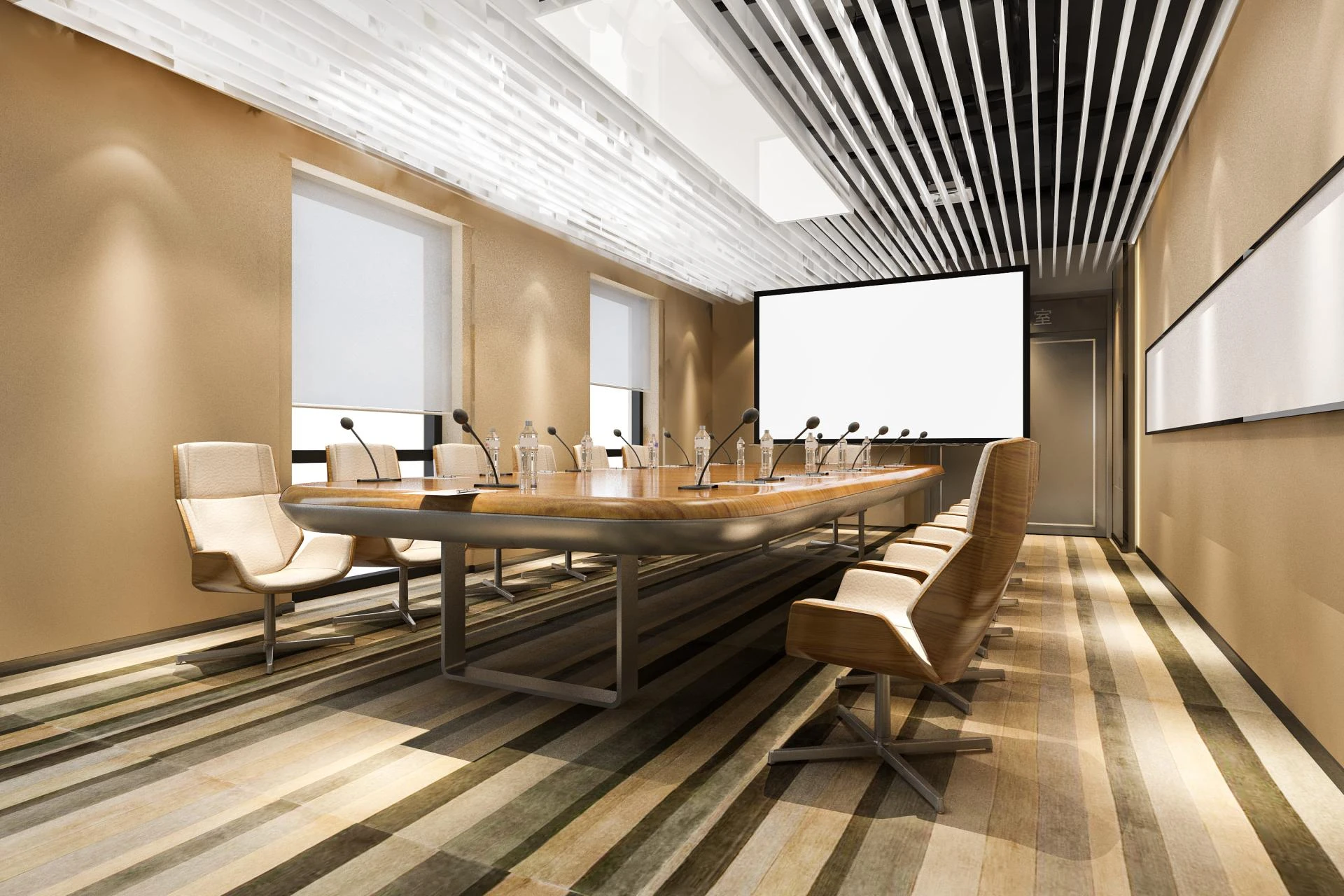
In 2025, meeting rooms are set to look a lot different from what many of us are used to. The days of stuffy, rigid, and uninspiring conference rooms are over. As businesses become more flexible, the design of meeting rooms has evolved to accommodate the changing needs of modern teams. Whether a quick brainstorming session, remote collaboration, or hybrid meetings, the spaces we work in are becoming as dynamic as the teams they serve. And while some businesses still struggle with creating spaces that foster true collaboration, it’s time to rethink how coworking spaces and workspaces are designed.
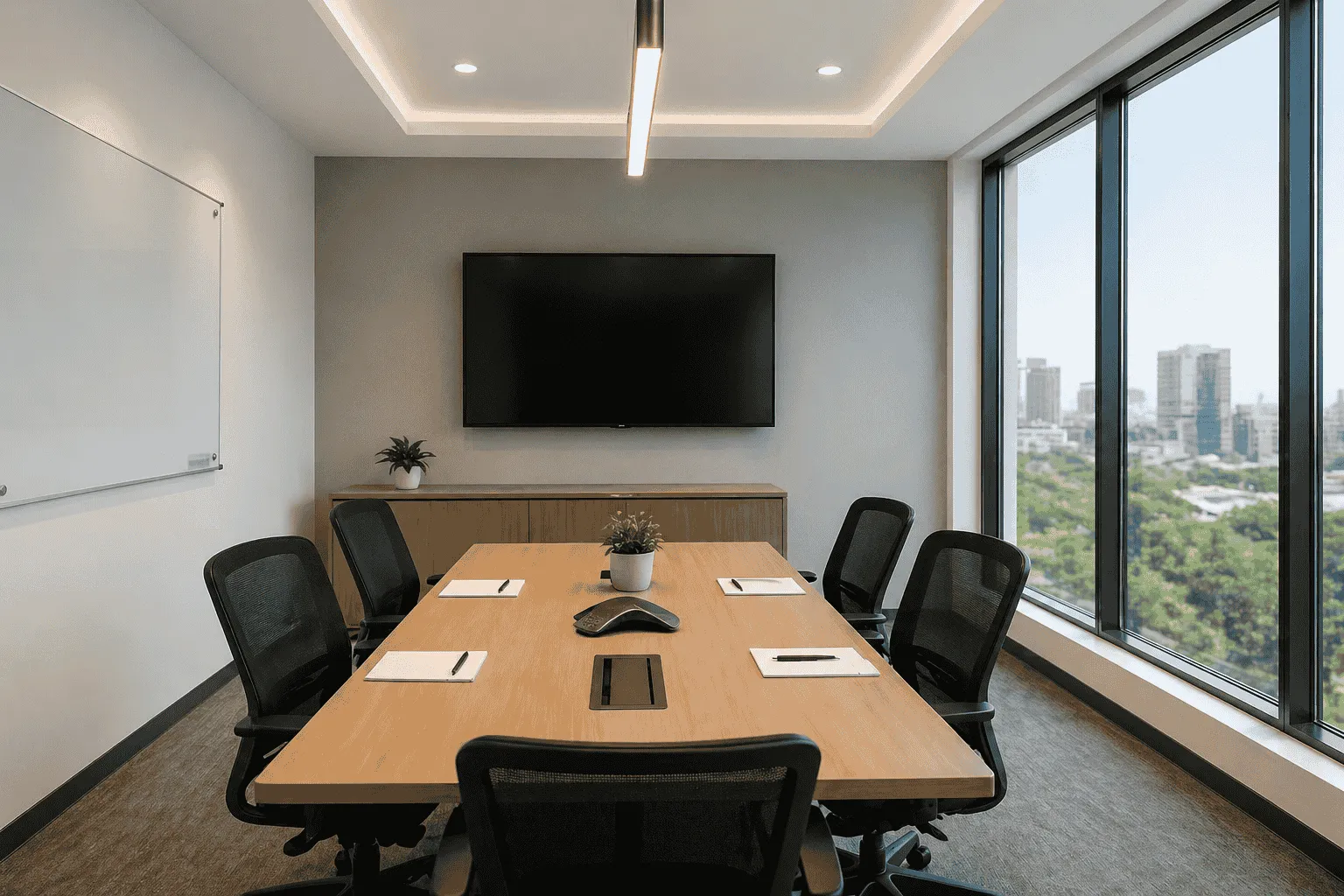
Meeting rooms with just a table and chairs are a thing of the past. Meeting spaces nowadays must be flexible, technologically advanced, and cozy in order to foster team success.
The Rise of Hybrid and Flexible Workspaces
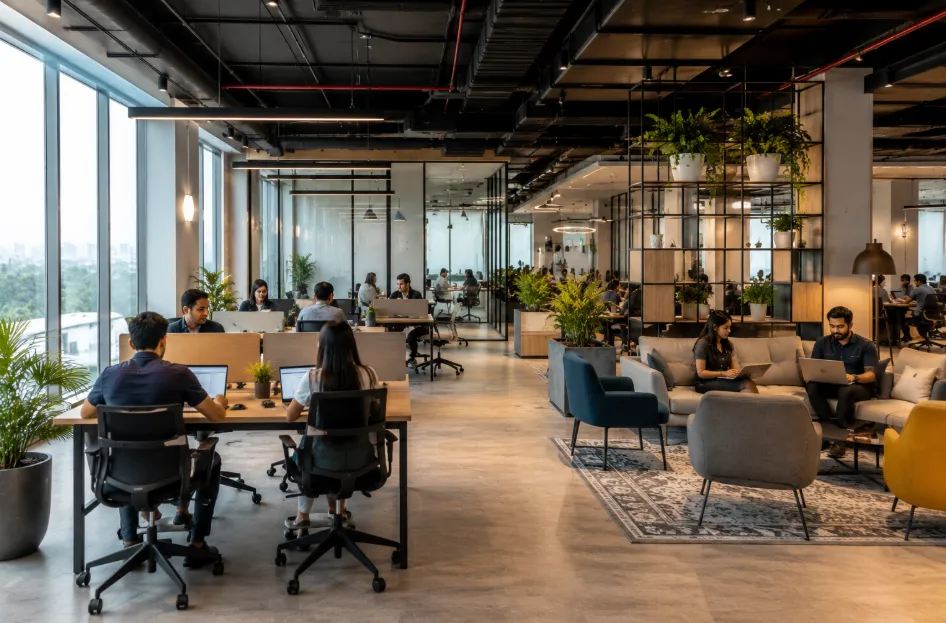
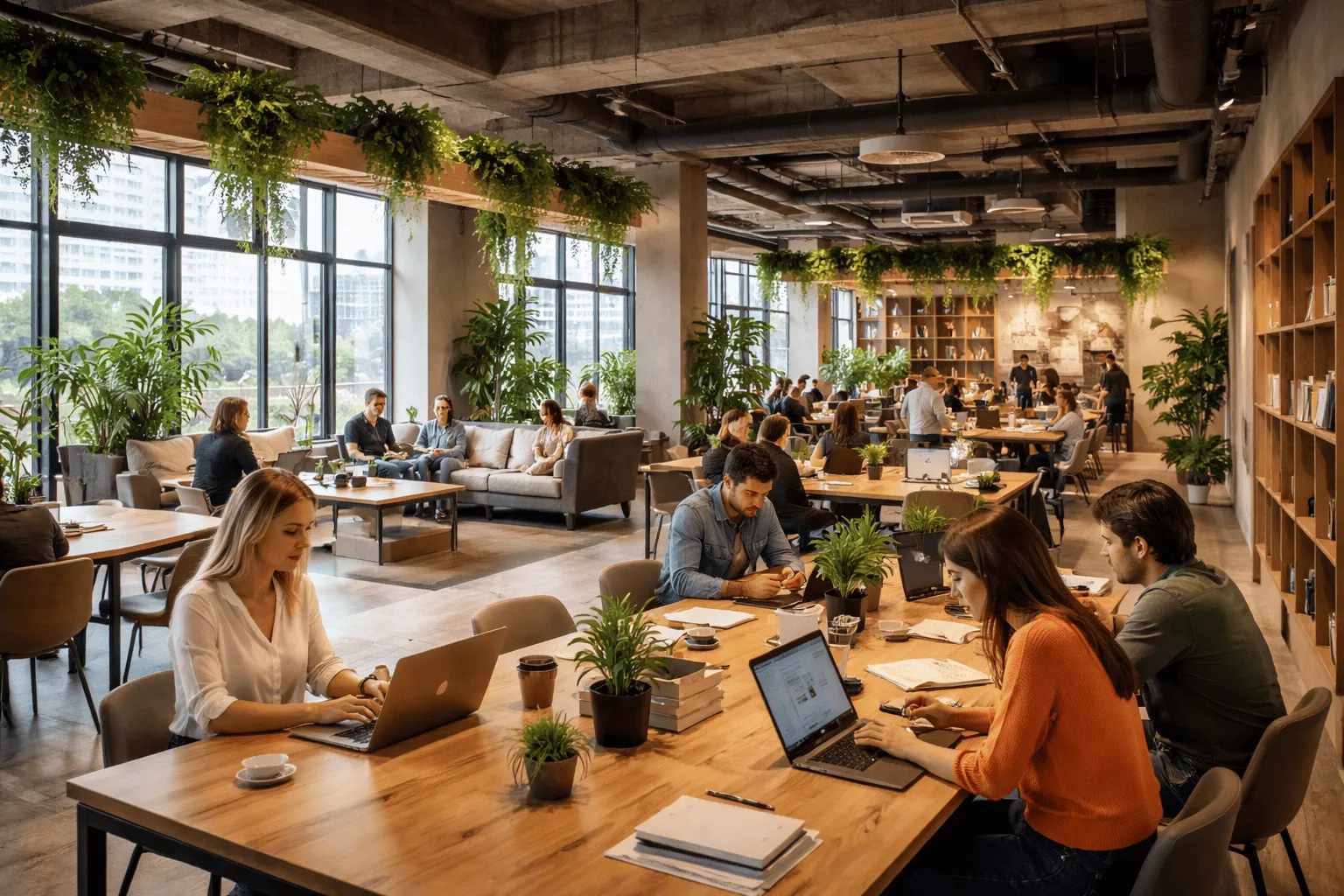
Meeting spaces must be more than merely practical, given the emergence of hybrid work patterns. They must accommodate and satisfy the requirements of both in-person and remote team members. Coworking spaces have spearheaded the creation of flexible meeting rooms. These areas, which range from open spaces for bigger team meetings to smaller chambers for more private conversations, were created with flexibility in mind.
Companies are no longer solely focused on having one large conference room; they need a range of spaces for different team dynamics. Now, whether it is a small group huddle or a cross-departmental strategy meeting, the best workspaces provide the tools necessary for seamless communication across both physical and virtual settings.
As a result of this change, innovative technology and adaptable layouts are now necessities rather than extras. And as businesses continue to embrace flexible work schedules, the need for multi-purpose meeting rooms that accommodate varying team sizes will only grow.
With hybrid work environments here to stay, meeting spaces need to evolve. It’s no longer about one-size-fits-all spaces but about flexibility and versatility.
Technology Integration – Making Meetings Seamless
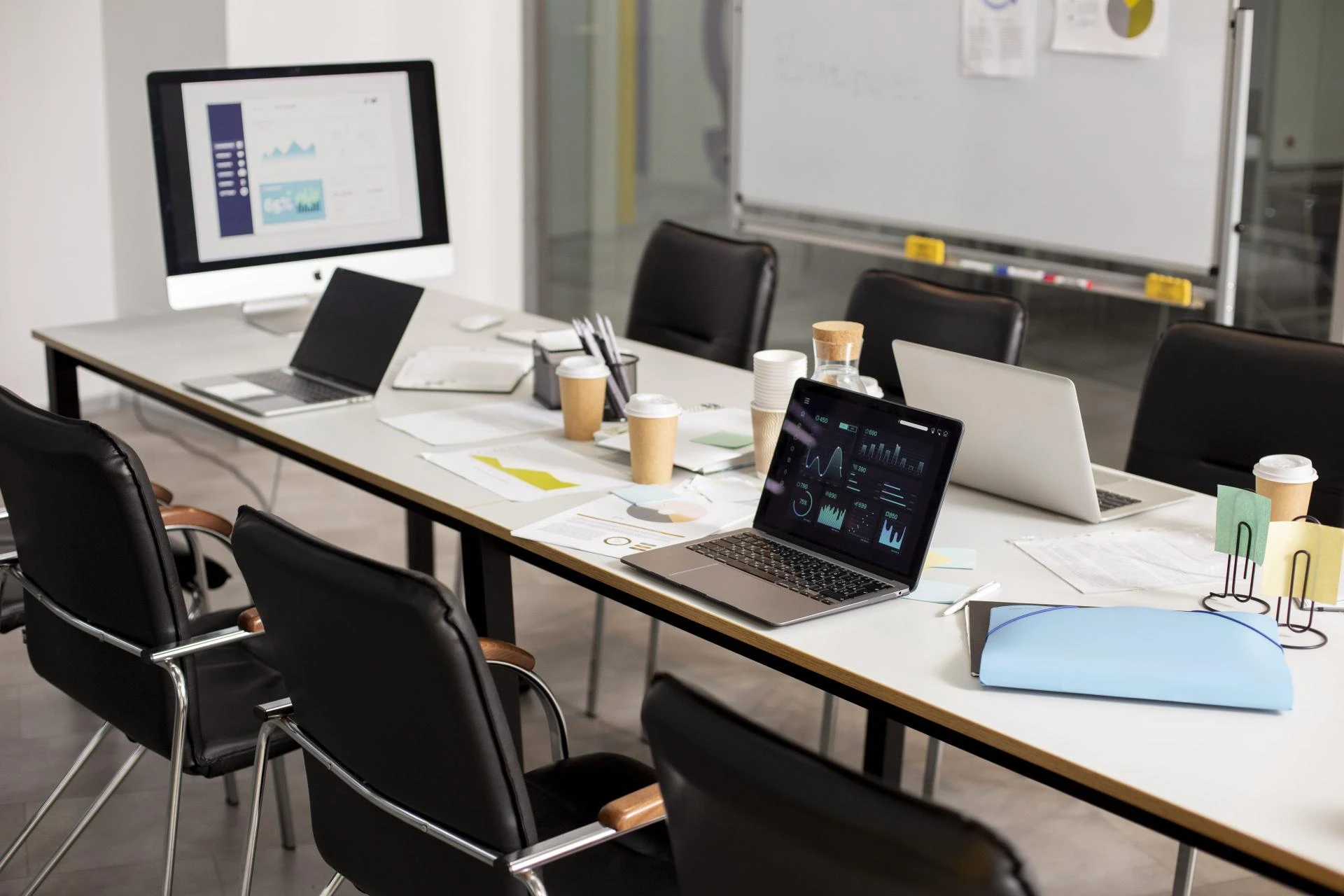
As we move further into 2025, meeting rooms are no longer just places where people talk. They have become high-tech hubs that enable collaboration through video conferencing, smart whiteboards, and AI-driven solutions. It is not futuristic—it’s the reality of today’s meeting room design.
Video conferencing tools, interactive digital boards, and voice-activated assistants are making meetings easier, more engaging, and more productive. No more fumbling with cables or struggling to get the technology to work. The tech should just work, seamlessly integrating with the rest of the room’s features. These meeting rooms are designed to help you focus on the conversation, not the technology.
The technology in today’s workspaces is all about simplicity and ease. By removing tech hassles, these meeting spaces let people focus on what matters most: collaboration.
Aesthetic and Comfort – Creating Spaces That Inspire
While technology and flexibility are essential, the aesthetics of meeting rooms also play a crucial role. A neat, peaceful, and calm setting fosters innovation and fruitful conversations. Since more people are working from home and attending virtual meetings for extended periods of time, coworking space design must prioritise comfort just as much as functionality.
- Using natural aesthetics like plants, natural light, and wooden accents helps create a welcoming space that promotes concentration and lowers stress.
- Comfortable, ergonomic seating is another must-have, as long hours in uncomfortable chairs can hinder productivity.
- The colour palette plays a part, too. Neutral tones with pops of colour can create a warm, welcoming vibe that inspires creativity without being too overwhelming.
The look and feel of workspaces have a direct impact on how people engage in meetings. By focusing on comfort and aesthetics, meeting rooms become more than just places to talk—they become places where ideas can thrive.
Sustainability – Eco-friendly Meeting Rooms
Meeting spaces are embracing more environmentally friendly design techniques as sustainability remains a top concern. Eco-friendly designs are becoming more popular, from furniture made of recycled materials to energy-efficient lighting. Coworking spaces that demonstrate their dedication to sustainability are becoming more and more popular among enterprises. These spaces use natural materials, energy-efficient systems, and environmentally responsible practices to create meeting rooms that are as kind to the planet as they are to the people using them.
In 2025, sustainability in meeting room design will be a priority for businesses that want to align with eco-conscious values. In addition to helping the environment, this also appeals to clients and staff who support ethical, environmentally friendly practices. Imagine entering a conference room with optimum energy use and recyclable materials used for everything from the walls to the chairs. It is a movement toward greener, more responsible workspaces rather than just a design fad.
With more companies prioritising sustainability, green designs are no longer optional. In the workspaces of 2025, eco-friendly design is not a trend—it is a necessity.
Customisation – Meeting Rooms That Fit Your Needs
One-size-fits-all doesn’t work anymore, especially when it comes to meeting rooms. Customisation is key. Teams have different needs depending on the size of the group, the purpose of the meeting, and the kind of collaboration required. This is where coworking spaces are shining. They offer customisable meeting rooms that can be reconfigured to suit a variety of needs—from a quiet space for focused brainstorming sessions to a large room for team workshops.
The furniture and layout in these spaces should be flexible enough to accommodate different types of meetings. Adjustable tables, movable partitions, and modular seating allow businesses to create spaces that work for them rather than trying to force their needs into an existing setup.
Flexibility is the cornerstone of modern workspaces. The ability to easily adjust meeting spaces for different needs makes them more effective for everyone involved.
Acoustic Solutions – Quiet Spaces for Better Focus
Noise levels can rise as the modern workplace becomes more collaborative, which can disrupt important meetings and conversations. As a result, acoustics are taken into account when creating conference rooms. A quiet, focused environment that supports productive discussions can be made with the aid of soundproofing materials, noise-cancelling equipment, and strategically positioned furniture.
This is particularly crucial in coworking spaces because being close to other teams can make interruptions more likely. These areas guarantee a private and distraction-free meeting by investing in acoustic treatments. After all, nothing reduces productivity more than persistent disruptions.
Creating a quiet, focused environment in workspaces is crucial to getting things done. By investing in the right acoustic treatments, meeting rooms can become the productive, distraction-free zones that every team needs.
In Conclusion
Meeting room design trends in 2025 are very different from the dull, uninspired ones of the past. Modern designs give companies the means to work together efficiently since they are adaptable, technologically advanced, and sustainable. Whether it is through sustainable designs, cutting-edge technology, or customised layouts, the objective is to create areas that promote productivity and communication.
To ensure that workspaces are prepared to meet the demands of contemporary teams, coworking spaces will need to continue to adapt as the workplace changes. It's time to reconsider and revamp our meeting spaces.


























Sign in to leave a comment.