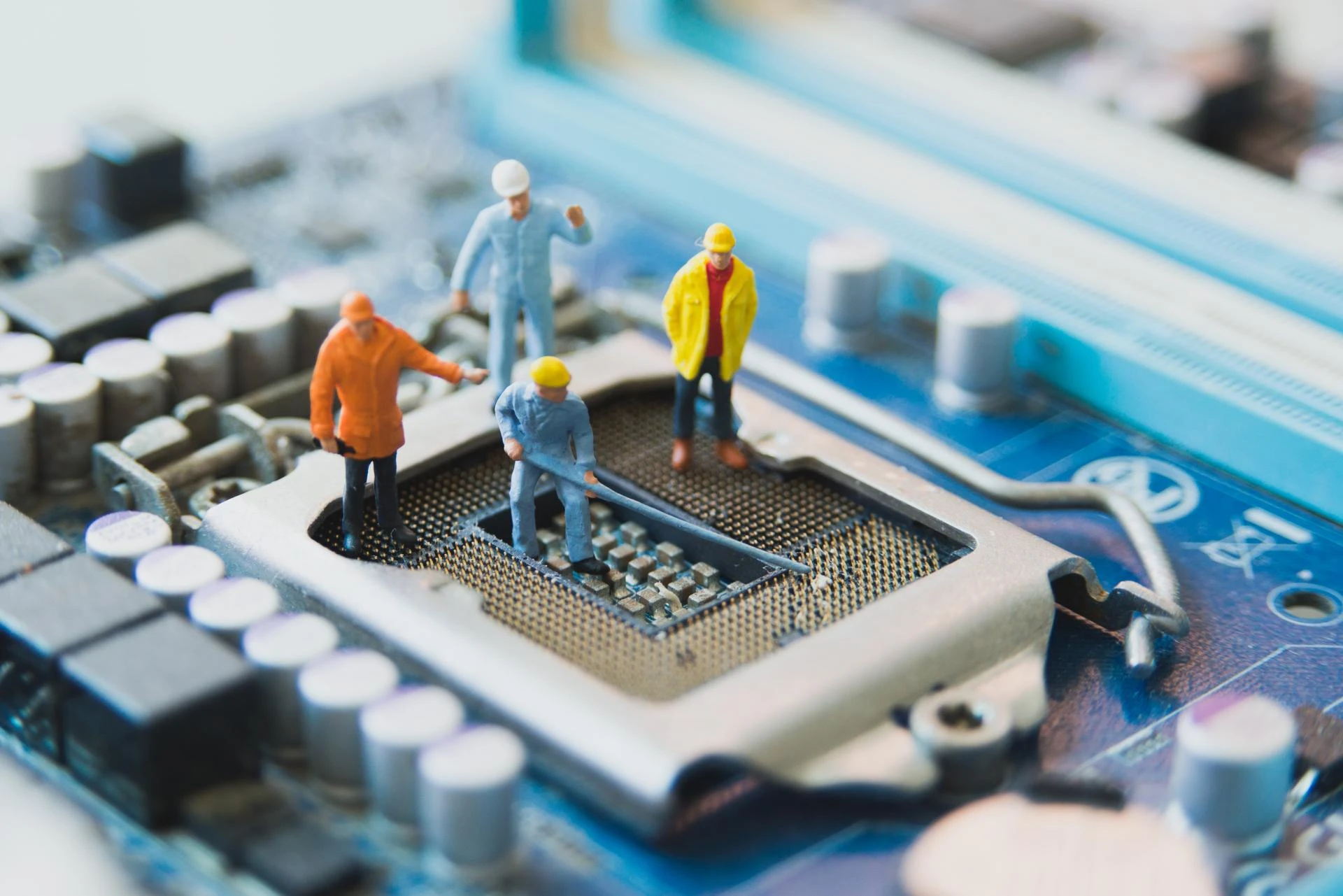

A reliable internet connection is essential for modern businesses and everyday life. However, network issues can arise unexpectedly, causing frustration, lost productivity, and disrupted operations. Knowing how to resolve these problems effectively is key to maintaining a seamless experience, whether it's a slow connection, dropped signals, or hardware failure.
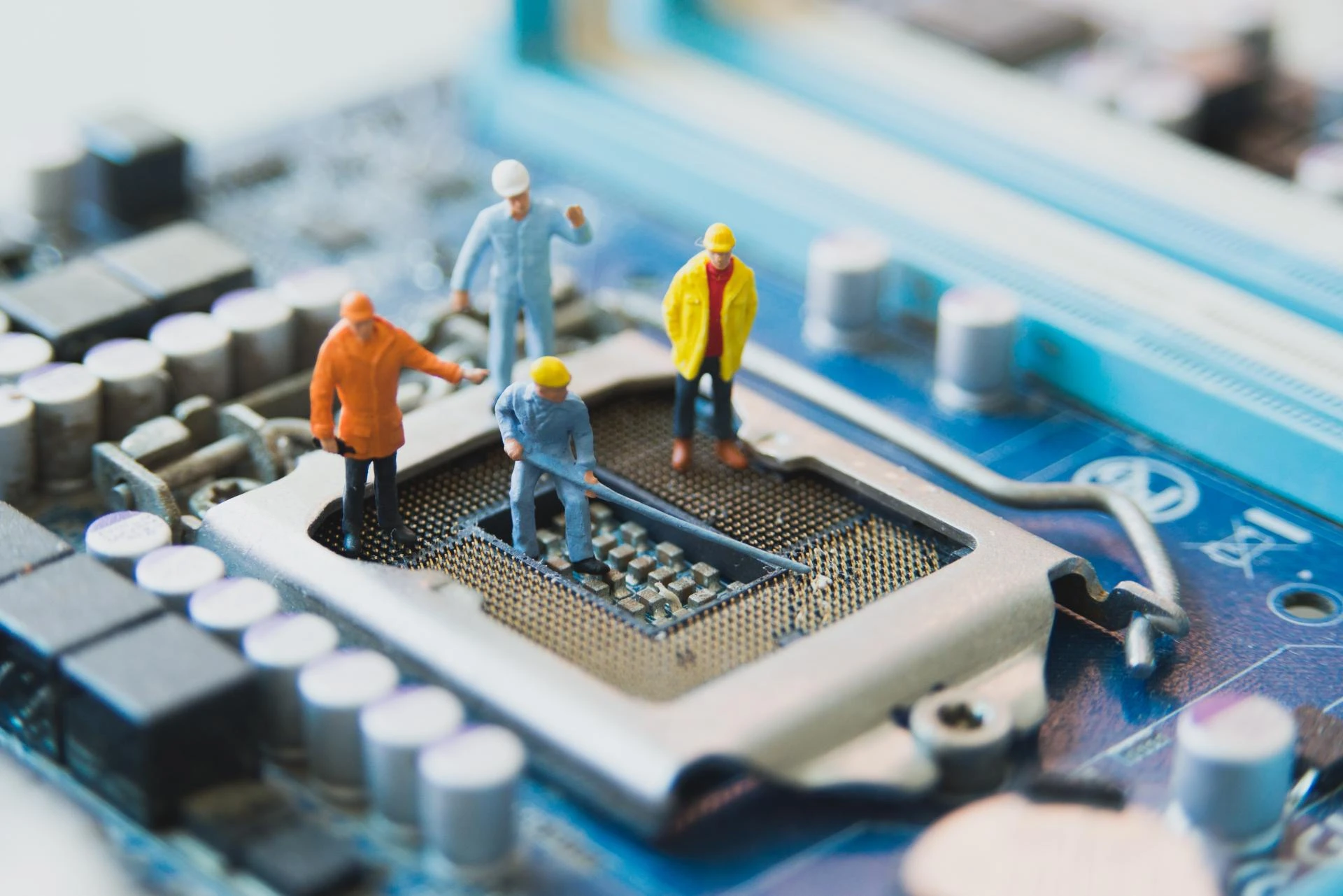
This blog will provide practical tips for diagnosing and fixing network issues. You can quickly get your connection back on track with a few simple steps.
Identify the Problem Area
The first step in resolving network issues is to identify the source of the problem. Is it an issue with your internet service provider (ISP), router, or device? Narrowing down the source of the problem makes troubleshooting much more manageable.
Steps to Identify the Issue:
- Check Other Devices: Is the issue limited to one device or affecting all devices on the network?
- Restart Devices: Restart your computer, smartphone, or tablet to see if the issue is resolved.
- Inspect Hardware: Ensure your router, modem, and cables are correctly connected and powered on.
By isolating the problem, you'll have a clearer understanding of what steps to take next.
Restart Your Network Equipment
Restarting your router and modem is one of the simplest yet most effective solutions for network problems. Restarting clears the cache, refreshes network settings, and often resolves temporary glitches.
How to Restart Properly:
- Turn off your modem and router.
- Wait for 30 seconds.
- Turn them back on and wait for the connection to re-establish.
This step is beneficial for addressing slow speeds or intermittent disconnections.
Check Your Internet Speed
If your internet feels unusually slow, you must test your speed to determine whether the problem is on end or with your ISP. Use tools like Speedtest.net or Fast.com to measure your download and upload speeds.
Key Metrics to Check:
- Download Speed: How fast data is delivered to your device.
- Upload Speed: How fast data is sent from your device.
- Ping/Latency: The time it takes for data to travel to the server and back.
Contact your ISP for assistance if your speeds are significantly lower than you pay.
Troubleshoot Common Connectivity Issues
If your connection remains unstable, here are some targeted troubleshooting strategies for common problems:
- Weak Wi-Fi Signal: Move closer to the router or install a Wi-Fi extender to boost the signal.
- Overcrowded Network: Disconnect devices that are not in use to free up bandwidth.
- Outdated Firmware: Check your router settings and update the firmware if necessary.
- Interference: Keep your router away from devices like microwaves or cordless phones, which can cause interference.
These steps address many connectivity issues, ensuring you can maintain a reliable connection.
Update Device Drivers
Outdated or corrupted network drivers can cause connectivity problems on your computer. Ensure that your device's network drivers are updated to the latest version.
Steps to Update Drivers:
- Go to your device's "Device Manager."
- Locate "Network Adapters" and select your adapter.
- Click "Update Driver" and follow the prompts.
Driver updates often include bug fixes and performance improvements that can resolve network-related issues.
Reset Network Settings
If all else fails, resetting your network settings can resolve persistent issues. However, this step will erase saved Wi-Fi networks and passwords, so you'll need to reconnect manually afterward.
Resetting Network Settings on Windows:
- Go to "Settings"> "Network & Internet."
- Select "Network Reset" under the "Status" tab.
Resetting Network Settings on macOS:
- Go to "System Preferences"> "Network."
- Remove and re-add your network connection.
This step ensures all settings are restored to default, eliminating misconfiguration.
When to Call for Professional Help
If you've tried all the above steps and still experience issues, it might be time to seek professional assistance. Persistent problems like hardware failures, significant outages, or complex network configurations often require expert intervention.
Conclusion: Seamless Connectivity with Tronsit Solutions
Troubleshooting Network issues don't have to be daunting. You can independently resolve most connectivity challenges by identifying the problem, restarting equipment, and applying targeted fixes. Partnering with a professional service provider is always wise for more complex issues or expert-level support.
Regarding reliable IT and networking solutions, Tronsit Solutions has you covered. Tronsit Solutions ensures your business or personal networks operate seamlessly, from diagnosing issues to implementing long-term fixes. Let Tronsit Solutions keep you connected while you focus on what matters most!


























Sign in to leave a comment.