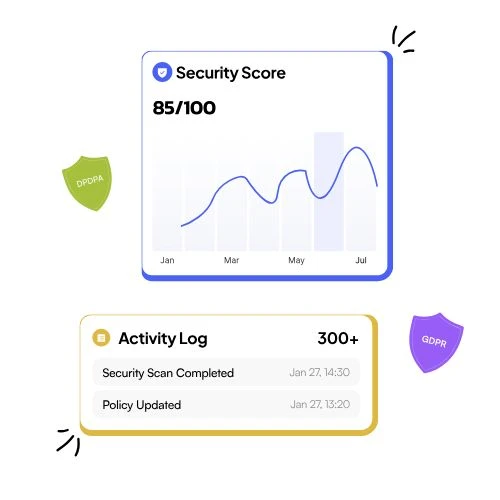

Discover how trust center software enhances your business's security and compliance. Learn about its features, benefits, and why it’s vital for safeguarding your data.
Trust center software is a critical tool for businesses looking to enhance their security and maintain trust with customers. As digital threats evolve and privacy concerns intensify, companies must demonstrate their commitment to protecting user data. This is where trust center software comes in. By centralizing important security and compliance information, it provides transparency to customers, stakeholders, and partners.
In today’s digital world, security is not just a priority—it's a necessity. Trust center software helps businesses establish credibility and show their commitment to data privacy, security protocols, and industry regulations.
Key Features of Trust Center Software
When evaluating trust center software, it's important to look at its key features. These will not only determine its effectiveness but also ensure that it aligns with your company's security goals.
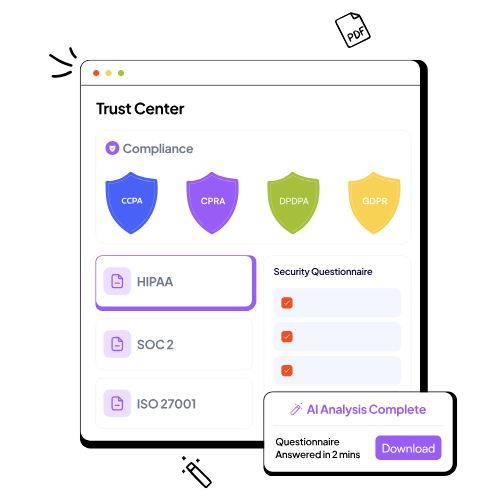
- Security Certifications: Trust center software often displays important security certifications, such as ISO/IEC 27001 or SOC 2, to confirm that a company follows industry best practices for security management.
- Data Encryption: One of the most critical features is the ability to manage encryption standards. Trust center software ensures that all sensitive information is securely encrypted both in transit and at rest.
- Compliance Reports: This software provides real-time compliance reports to demonstrate your company’s adherence to relevant industry regulations, like GDPR or HIPAA.
These features collectively help build a transparent and secure relationship with customers, showing them that their data is in safe hands.
Why Trust Center Software Matters for Businesses
In an age of rising cyber threats, trust is a cornerstone of any successful business. Trust center software plays a crucial role in building and maintaining that trust by displaying up-to-date security measures, encryption protocols, and compliance status.
Moreover, having a comprehensive trust center helps customers make informed decisions about sharing their personal information with your business. By providing easy access to information on your data protection efforts, you can improve customer confidence and foster stronger, long-lasting relationships.
Benefits of Implementing Trust Center Software
- Enhanced Customer Confidence: Trust center software fosters transparency, making it easier for customers to trust your security protocols.
- Improved Compliance: Maintaining compliance with security regulations and laws is easier when using trust center software. It helps businesses track compliance activities and produce real-time reports.
- Centralized Security Management: With all data security and compliance information housed in one place, trust center software simplifies the process of managing security and ensuring transparency.
- Better Risk Management: Trust center software allows businesses to identify and mitigate risks associated with data breaches or non-compliance quickly.
These benefits underscore the importance of integrating trust center software into your overall business strategy. It’s not just about securing data—it’s about demonstrating that commitment to your clients, helping you to stay competitive and maintain a solid reputation in your industry.
How Trust Center Software Strengthens Your Data Security
With cyber-attacks becoming more sophisticated, relying on conventional security methods is no longer enough. Trust center software helps businesses manage security through a more advanced, automated approach. By utilizing this software, organizations can:
- Track and document all security protocols in real-time.
- Ensure that employees follow best practices when handling sensitive data.
- Easily audit your security practices to ensure alignment with industry standards.
This approach leads to stronger data protection, reduced vulnerability to breaches, and more efficient risk management.
Common Mistakes When Using Trust Center Software
While trust center software can greatly enhance your security strategy, it's important to avoid some common pitfalls:
- Lack of Regular Updates: Security threats evolve quickly, and it’s essential to keep your trust center software up to date to mitigate new vulnerabilities.
- Not Educating Employees: Implementing trust center software is only effective if your employees understand how to use it properly. Regular training on data protection protocols is necessary.
- Overlooking Customer Communication: It's important to ensure that your customers are aware of the information available in your trust center. Provide them with regular updates and transparency on your security measures.
Frequently Asked Questions (FAQ)
What is the role of trust center software in GDPR compliance?
Trust center software plays a crucial role in ensuring GDPR compliance by helping businesses manage personal data securely and track any data breaches.
How can trust center software improve customer confidence?
By providing transparency on security practices and compliance efforts, trust center software demonstrates that a company takes data protection seriously, boosting customer confidence.
Can trust center software help with cybersecurity risk management?
Yes, it helps businesses identify potential risks and track security measures, which ultimately aids in mitigating risks related to cyber threats.
Is trust center software suitable for small businesses?
Yes, trust center software is highly adaptable and can scale to suit the needs of businesses of all sizes. It is especially beneficial for small businesses looking to establish credibility and protect customer data.
What certifications should trust center software include?
Look for software that supports industry-standard certifications such as SOC 2, ISO 27001, and GDPR compliance, as these ensure the software meets rigorous security standards.
How often should trust center software be updated?
To remain effective against evolving threats, trust center software should be updated regularly—preferably on a monthly or quarterly basis.
Conclusion
Incorporating trust center software into your business's digital infrastructure is no longer optional—it's a critical step toward building customer trust and ensuring data security. From compliance management to providing transparency about your security efforts, trust center software strengthens your brand’s reputation and establishes it as a reliable, secure partner for your customers. Whether you’re looking to enhance your cybersecurity protocols or improve customer confidence, trust center software is an essential tool for modern businesses.



























Sign in to leave a comment.