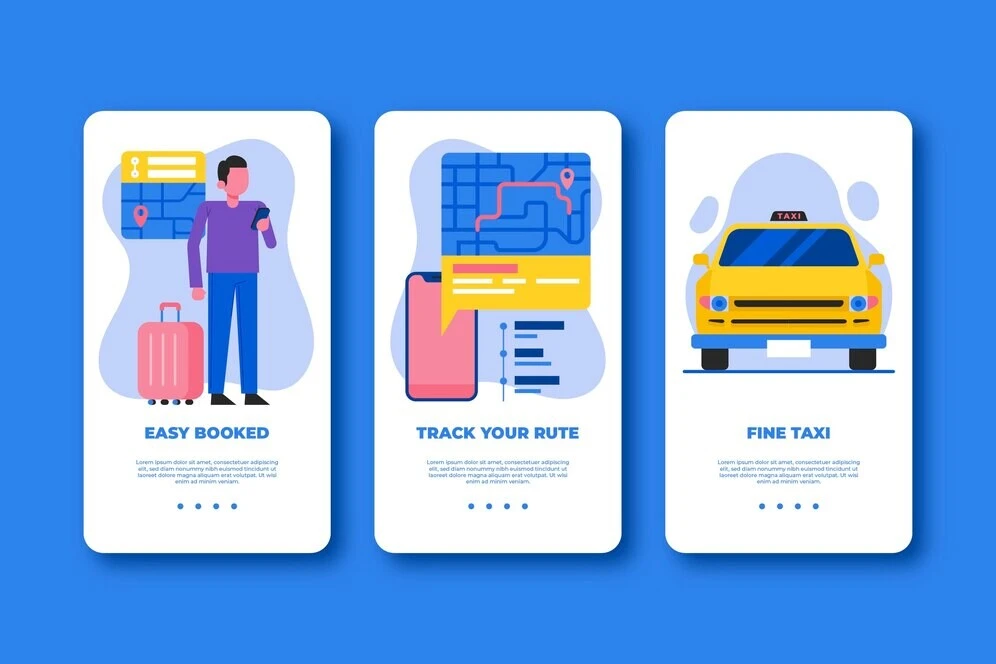

Automation has the potential to deliver better customer experiences at lower costs. Despite the temptation of automation, there are some fundamental realities that you need to consider before investing a heavy sum in automation.
If you run airport transfer services, automation can help you redefine your business goals. This blog explores these little-known truths and gives a 360-degree view of automating airport transfer services.
1. Initial Investment and Cost Implications
One first fact about automation in airport transfer services is that it requires sizable upfront capital. Implementing automated systems for booking, dispatching, or managing vehicles involves injecting substantial amounts of money into such initiatives. These expenses entail buying advanced software, interface with existing systems, train employees, and further services.
It’s vital, though, to know precisely when one expects their investment in automation to pay off. The operational expenses saved from this can be very significant. Still, there will always be a payback period, which can differ depending on various factors. This includes how far-reaching an implementation might be and how effective manual processes are still used.
2. Data Security and Privacy Concerns
In automating airport transfer services, vast volumes of delicate customer data must be handled, ranging from personal information to payment details. This increased reliance on digital platforms heightens the risk of data breaches and cyberattacks. You must prioritize robust cybersecurity measures to protect this data as a service provider.
Investing in secure airport taxi management software, conducting regular security audits, and adhering to GDPR or CCPA may never be compromised here. A company that fails to create substantial barriers against threats might face legal sanctions, collapse financially, or lose its integrity.
3. Integration Challenges
Integration challenges are usually more complicated than anticipated when you introduce a new automated airport taxi dispatch solution along with existing infrastructure. Most airport transfer services operate via legacy systems that do not automatically connect with modern-day automation solutions. This creates a mismatch between these two, leading to disruptions during the transition period.
Thorough planning and working closely with experienced IT professionals will go a long way in mitigating these risks. A comprehensive assessment of current systems, identification of potential compatibility issues, and development of a phased implementation strategy can ensure an easier flow.
4. Employee Adaptation and Training
Automation inevitably changes employees' roles and responsibilities. However, it can replace repetitive tasks that were performed by humans prior to its adoption. Resistance to change and a lack of technical know-how may obstruct successful automation efforts.
Thus, it is essential to invest extensively in expansive training programs and foster a continuous learning culture. Empowering employees with the skills necessary for operating and overseeing computerized systems not only enhances efficiency but also improves job satisfaction levels and staff retention rates.
5. Customer Experience and Personalization
One of the main benefits of airport taxi dispatch software is that it improves customer experiences. Thus, automated systems offer solutions that can simplify booking processes, give real-time updates, and facilitate timely pick-ups or drop-offs. However, there is a narrow divide between efficiency and impersonality in service delivery.
This personal touch is crucial in the transportation sector since customers’ satisfaction mainly depends on reliability and comfort. To achieve an appropriate level of service personalization, it is possible to balance automation against human interaction, such as live chat or telephone support, which are set up for customers’ convenience.
6. Reliability of Technology
Automation relies significantly on technology, which sometimes proves unpredictable. System outages, software glitches, or hardware breakdowns can interrupt processes and lead to unsatisfied customers. There should be a plan B to tackle these potential problems.
Windows updates, regular checking, and a dedicated IT team will reduce the possibility of technical hitches. Moreover, you can get stable system performance by choosing reputable vendors providing reliable, tested automation solutions.
7. Scalability and Flexibility
For example, as the airport transfer service increases, it needs automation systems that are scalable enough to handle more demand. Some automation tools are not designed with scalability in mind, so you may find your solution has become obsolete, leading to operational bottlenecks.
The features of airport taxi dispatch software ensure that you only opt for flexible solutions that adapt to meet your changing business requirements. Automated facilities with modular functionalities that enhance an extra feature inclusion or upgrade are what you should go for. Flexibility in your automation strategy ensures that you can still provide a seamless service even as your customer base grows.
8. Environmental Impact
The transport sector is increasingly focusing on sustainability issues. For example, automated systems can optimize routes and boost fuel efficiency, reducing carbon footprints. Nonetheless, we should remember the environmental impacts of automation, such as server power consumption and e-waste production.
To minimize the impact of your automation initiatives on the environment, use power-saving hardware items and recycle electronic parts. Demonstrating a commitment to sustainability could win points with green consumers, who prefer to use such brands for services.
9. Vendor Selection and Management
Choosing appropriate vendors for your automation needs is a significant move. Recently, numerous companies have emerged offering various types of automation solutions. Thus, it’s essential to research the alternatives provided and seek advice from colleagues regarding the best options available. Evaluate the vendor’s history records based on their support level rendered before, as well as scalability.
Moreover, maintaining good relationships with your vendors is essential for continued support and upgrades. Moreover, clear communication, regular feedback, and setting up service level agreements (SLAs) will ensure that the automation systems meet their needs adequately within the business.
10. Regulatory Compliance
Adherence to industry regulations and standards is inevitable when it comes to automating airport transfer services. For instance, data protection laws, among others, in the aviation sector should be constantly adhered to.
This may involve partnering with legal professionals and compliance consultants who understand the complex regulatory environment. You can also include automated compliance checks and updates within your system to ensure that you stay updated by applying applicable laws and regulations.
Conclusion: A Balanced Approach to Automation
Automating airport transfer services has its challenges and opportunities. Taking this into account will help you make informed choices. To achieve this aim, it is essential to understand hidden truths about automation to form a balanced approach integrating technology without degrading our quality of service or customer satisfaction.
For a smooth transition, consider addressing initial investment costs, prioritizing data security, that resolves integration challenges, focusing on employee adaptation through training, etc. At the same time, maintaining a personal touch means having reliable technology while scalable solutions can be chosen. Also, when talking about environmental aspects, you have the green stuff going on in your mind.
Your airport transfer service can only be successful in a world that is gradually becoming automated if you can select the right vendors, continue complying with regulations, and always have room for improvement. Understand the complexities involved and embrace what automation could bring about – your business will be more efficient, dependable, and client-focused.










Sign in to leave a comment.