

The Daihatsu Hijet has long been one of Japan’s most iconic kei trucks and microvans, known for its compact size, utility, and dependability. Over the decades, the Hijet has evolved significantly, not only in styling and practicality but also in performance. Among the most exciting developments in its history are the turbocharged and supercharged variants. These performance-focused models brought unexpected power to a vehicle designed primarily for light hauling and urban commuting. Examining these versions over time reveals how the Hijet balanced efficiency, utility, and driving enjoyment while keeping pace with technological changes in the automotive world.
The Early Years and the Push for Power
The Hijet began as a simple, air-cooled commercial vehicle in the early 1960s. Its purpose was clear: provide reliable transportation for businesses and families who needed a small, affordable utility vehicle that could navigate narrow Japanese streets. Early engines were small-displacement, naturally aspirated units designed with fuel economy in mind.
By the late 1970s and 1980s, however, Japan’s kei car regulations allowed manufacturers to experiment more with performance while still staying within the strict displacement and size limits. Consumer demand was shifting too. Drivers wanted small cars that could still deliver excitement and versatility. This environment opened the door for the development of forced induction in kei-class vehicles. The Hijet was no exception, and soon Daihatsu introduced versions equipped with turbochargers and superchargers.
Introduction of Turbocharged Hijet Models
The 1980s marked the beginning of turbocharged kei vehicles. For the Hijet, the addition of a turbocharger allowed its small engines—often around 550cc at the time—to punch above their weight. Turbocharging boosted horsepower and torque, giving the Hijet more pulling power, better highway cruising ability, and even some sporty characteristics.
Turbo Hijets quickly became popular among businesses that needed more capability without stepping outside kei regulations. For example, small delivery services and tradespeople found that the additional torque helped with carrying loads in hilly regions or during long-distance drives. Enthusiasts also took notice, as the turbo models gave the Hijet unexpected performance that could even be tuned further with aftermarket upgrades.
Over time, the turbocharged models gained intercoolers and refined boost control systems, improving efficiency and durability. As emissions standards tightened, Daihatsu continually improved turbo technology to meet regulations without sacrificing performance.
The Role of Superchargers in Hijet Development
While turbocharging was becoming more common, Daihatsu also experimented with supercharging technology in select Hijet models. Unlike a turbocharger, which relies on exhaust gases, a supercharger is mechanically driven by the engine itself. This provides instant power delivery without the lag often associated with early turbo systems.
Supercharged Hijets were especially appealing in urban environments where stop-and-go driving required immediate response. The quick torque delivery made these models agile in traffic and more enjoyable to drive. Though superchargers generally added complexity and slightly reduced fuel efficiency compared to naturally aspirated models, their performance benefits were undeniable.
Performance Upgrades Across Generations
Each generation of the Hijet brought refinements to forced induction systems, ensuring that turbo and supercharged variants kept improving. In the 1990s, when kei car engine displacement limits were increased from 550cc to 660cc, the Hijet’s turbocharged and supercharged engines benefitted significantly. The added displacement, paired with forced induction, meant these compact trucks and vans had more usable power across the rev range.
By this time, many turbo Hijet models featured water-cooled intercoolers, electronic fuel injection, and advanced ignition timing control. These improvements not only enhanced performance but also contributed to better reliability. Supercharged variants also saw updates, with belt-driven systems becoming more efficient and durable.
The 2000s saw turbo Hijets continue to evolve in response to stricter emissions standards and consumer expectations for smoother driving. Engineers reduced turbo lag, optimized boost pressure, and integrated modern fuel management systems. Though the kei category always imposed strict limits, Daihatsu showed remarkable innovation in squeezing every bit of performance from the small engines.
Practical Advantages of Turbo & Supercharged Hijets
Beyond performance appeal, turbo and supercharged Hijets offered practical advantages that made them more than just novelty models. For businesses, the extra torque meant easier handling of heavy payloads and better acceleration when merging onto highways. This reduced travel times and improved overall efficiency for commercial users.
For rural drivers, the added power made a noticeable difference on steep roads and mountain passes. The Hijet, despite its small size, could tackle demanding terrain with greater ease when equipped with forced induction. In recreational use, enthusiasts found these models to be surprisingly versatile, whether used for light off-road adventures or customized builds.
Aftermarket Upgrades and Enthusiast Culture
Over time, the popularity of turbo and supercharged Hijets created a vibrant aftermarket scene. Owners sought ways to extract even more performance through upgraded intercoolers, high-flow exhaust systems, blow-off valves, and improved turbochargers. Supercharged models could also be modified with pulley upgrades to increase boost.
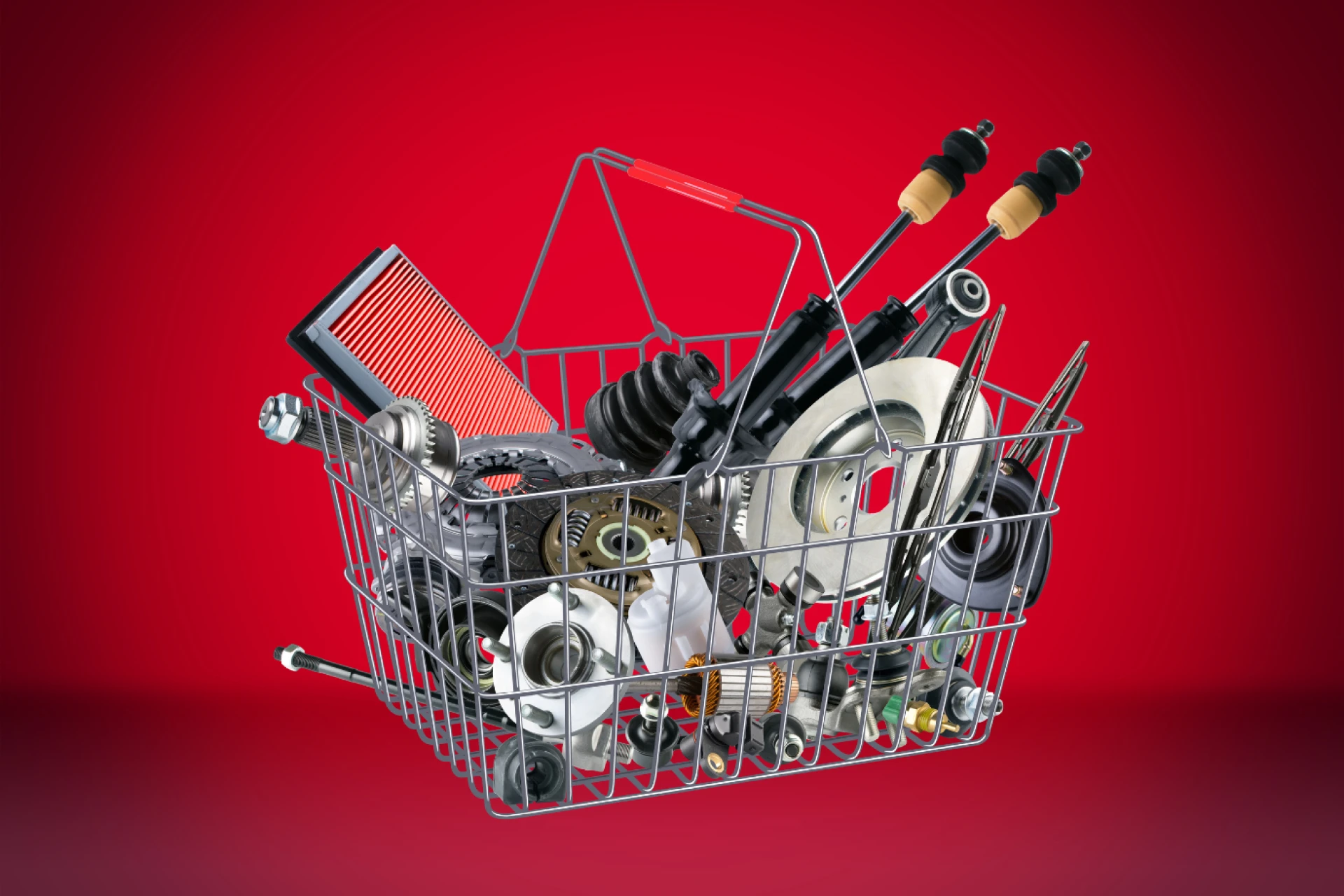
The availability of Daihatsu Hijet parts has played a critical role in keeping these performance-oriented vehicles alive and running strong. From replacement turbos to reinforced gaskets and ignition components, the right parts ensure reliability while allowing enthusiasts to experiment with performance tuning. The culture around Hijet modification has grown globally, as more of these vehicles have been exported outside Japan and embraced by fans who appreciate their quirky character and performance potential.
Reliability and Maintenance Considerations
While turbo and supercharged engines brought more fun and utility to the Hijet lineup, they also required careful maintenance. Forced induction places additional stress on small engines, making high-quality oil, proper cooling, and routine servicing essential. Owners had to pay attention to boost levels, fuel quality, and the condition of intake and exhaust systems to avoid premature wear.
The availability of reliable Daihatsu Hijet parts has been vital for maintaining these models. Whether replacing worn turbochargers, maintaining fuel injection systems, or servicing cooling components, access to the right parts ensures these small but mighty vehicles continue performing as intended. For collectors and daily drivers alike, investing in genuine and high-quality aftermarket components remains the best strategy for long-term enjoyment.
Modern Hijets and Performance Evolution
Today, the Hijet continues to evolve, though the emphasis has shifted more toward efficiency, environmental compliance, and advanced technology. Turbocharging is still present in some kei-class vehicles, but the focus is now on combining small engines with hybrid systems and improved fuel economy. For enthusiasts, the turbo and supercharged Hijets of earlier decades remain highly desirable, representing a unique period in automotive history when compact utility vehicles embraced performance in creative ways.
Though new Hijets may not carry the same forced induction emphasis, the legacy of those turbo and supercharged models lives on in the enthusiast community and in the continuing availability of performance-oriented Daihatsu Hijet parts. The combination of practicality, charm, and unexpected power ensures these vehicles maintain a loyal following.
Conclusion
The story of turbo and supercharged Daihatsu Hijets is one of innovation and adaptation. By incorporating forced induction into kei-class trucks and vans, Daihatsu delivered vehicles that were not only useful but also exciting to drive. Over time, upgrades to turbocharging and supercharging systems improved performance, efficiency, and reliability, while also inspiring a culture of enthusiasts who continue to modify and celebrate these compact workhorses.
Today, the Hijet’s turbocharged and supercharged legacy stands as a testament to how even the smallest vehicles can make a big impact when engineered with creativity and purpose. With the right maintenance and continued access to Daihatsu Hijet parts, these models remain a fascinating chapter in the evolution of small utility vehicles, blending practicality with a surprising dose of performance.





















Sign in to leave a comment.