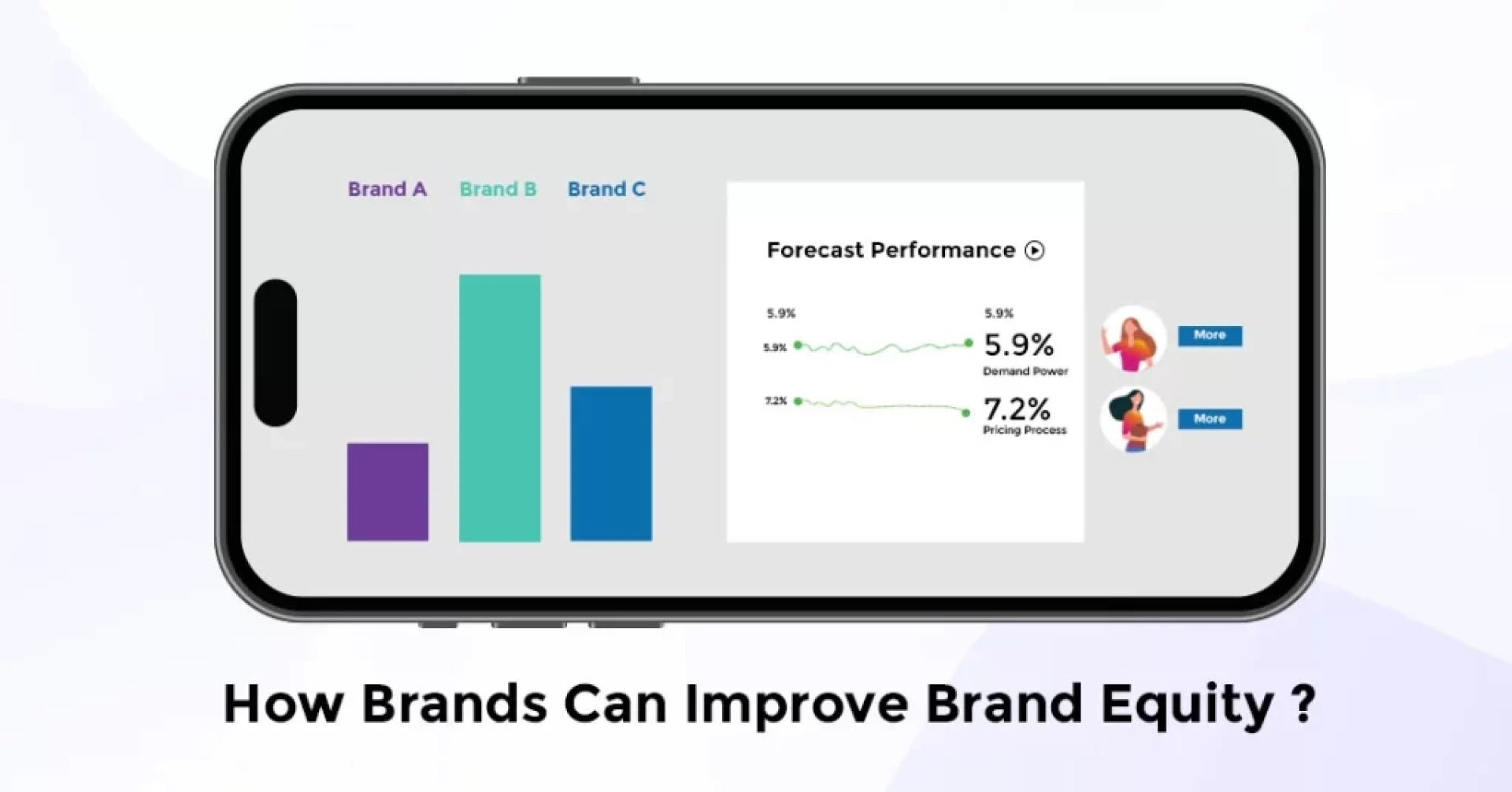

In today’s competitive marketplace, businesses face a common challenge: they run campaigns, launch products, and invest heavily in marketing—yet they remain uncertain about how customers truly perceive their brand. Without visibility into performance metrics, companies often rely on guesswork. This is where brand tracking, brand equity research, and brand equity measurement transform the game, helping organizations move from confusion to clarity with actionable insights.
Brands that fail to track their health risk falling behind competitors who make data-driven decisions. If you don’t know what customers think or feel about your brand, how can you build loyalty, improve messaging, or grow market shar
The Problem: Brands Operating in the Dark
Imagine running multiple advertising campaigns but not knowing:
- Are customers recognizing your brand more?
- Is the brand associated with positive emotions or negative experiences?
- Are marketing efforts translating into loyalty and long-term relationships?
Many brands face declining engagement or sales without understanding why. They rely on old-fashioned surveys done once or twice a year, missing real-time insights into customer sentiment. By the time reports are analyzed, customer preferences and market conditions may have shifted completely.
This lack of visibility leads to:
- Wasted marketing spend.
- Poor product-market fit.
- Inability to respond quickly to negative feedback or competitive moves.
Why Traditional Methods Don’t Work Anymore
Old tracking methods were slow, fragmented, and often reactive. They provided a limited view of brand health and rarely connected consumer perception directly to business outcomes.
Challenges included:
- Lagging data: Results often arrived too late to be useful.
- Lack of context: Numbers showed “what” happened but not “why.”
- No competitive benchmarking: Brands couldn’t measure themselves against rivals effectively.
Modern markets demand faster, smarter solutions—this is where brand tracking powered by brand equity research comes in.
The Solution: Brand Tracking Meets Brand Equity Research
Brand tracking continuously monitors how customers perceive your brand across multiple touchpoints—advertising, social media, customer service, and more. Combined with brand equity research, it goes deeper to analyze what factors drive trust, loyalty, and preference.
Here’s how it helps:
- Real-time monitoring: Get instant insights into customer sentiment.
- Competitive analysis: Benchmark your brand against industry leaders.
- Holistic view: Track awareness, consideration, preference, and loyalty in one place.
Brand equity measurement then translates these findings into clear metrics. Instead of vague feedback, companies get precise data like Net Promoter Scores (NPS), emotional connection indexes, or brand strength scores—all tied to revenue impact.
How the Process Works
- Data Collection – Surveys, social listening tools, and digital analytics gather feedback continuously.
- Analysis – Advanced AI and analytics uncover trends, correlations, and root causes behind brand perception shifts.
- Actionable Insights – Clear dashboards highlight what’s working, what’s not, and what to change next.
This process turns abstract customer opinions into measurable KPIs, helping brands adapt strategies quickly.
A Real-World Example: From Insight to Impact
A global retail company implemented brand tracking after realizing that despite high ad spend, sales were stagnant. Continuous brand equity research revealed that while awareness was high, trust in product quality was declining due to social media complaints.
Armed with this insight, the company launched a transparent quality improvement campaign. Within six months:
- Brand trust scores rose by 28%.
- Positive sentiment on social media increased by 35%.
- Sales rebounded as customer confidence grew.
This outcome was only possible because brand equity measurement identified the exact problem and tracked progress in real time.
Why Customer-Centric Measurement Matters
Today’s consumers want brands that listen, respond, and evolve with them. Brand tracking ensures companies:
- Catch negative sentiment early before it becomes a PR crisis.
- Understand emotional drivers behind customer loyalty.
- Allocate marketing budgets effectively based on data, not assumptions.
By combining continuous tracking with deep-dive brand equity research, businesses stay ahead of competitors while building stronger customer relationships.
The End Result: From Guesswork to Growth
With brand equity measurement, companies can:
- Track brand health continuously rather than sporadically.
- Link marketing efforts directly to customer perception and business results.
- Make faster, smarter decisions backed by real-time data.
Instead of reacting to problems months later, brands proactively shape how customers perceive them—turning insights into competitive advantage.
Conclusion
In a fast-changing marketplace, brand tracking, brand equity research, and brand equity measurement are essential for staying ahead. They turn customer opinions into clear, actionable metrics that help businesses adapt quickly, allocate budgets wisely, and build lasting brand loyalty.
By moving from assumptions to data-driven decisions, brands can transform confusion into clarity—and uncertainty into growth.






























Sign in to leave a comment.