

In this thriving online gambling and casino industry, your iGaming software is not merely a back-end instrument, but it is the engine room of your brand. But when it comes to getting an iGaming operation started, or to ramping it up, the question to ask is this:
Turnkey or White Label?
What solution is going to put you at an advantage, and more importantly, which one will apply to your brand's vision, resources, and long-term objectives?
Let’s get into the treats, drawbacks, and finding the correct direction towards your iGaming success.
Understanding iGaming Software: A Quick Overview
To put the two models head-to-head, let us unravel what exactly iGaming software entails.
Imagine that it is at the base of your casino or sportsbook business, as it takes care of game integrations, payment processing, player account handling, compliance, security, and analytics. Selecting software is the equivalent of selecting a chassis on a high-performance race car—do it the right way, and you are ready to go. Make an error and you will become stuck in the race.
What is Turnkey iGaming Software?
Turnkey solutions are just what they mean—plug in, turn on, and forget. You will receive a ready-to-use iGaming platform with all the necessary functions already included—game content, payment systems, CRM tools, and others.
However, the twist is that you own the license, branding, and operations in Turnkey. You deal with compliance and customer support. And that is why turnkey is a common choice among operators who want complete control and customization.
Pros:
- Full freedom of branding
- Integration flexibility
- Long-term cost savings
- Excellent data and strategy control
Cons:
- Increased setup time
- Increased one-time expenses
- You take charge of licenses and legal obligations
Turnkey could be your expressway when your vision is long-term, and you want to create a powerhouse brand.
What is White Label iGaming Software?
White Label iGaming software is for those who want a fast track to the market. You get a ready-made platform, often under a shared license, with the infrastructure already managed by the igaming software provider.
Your core business is marketing and acquiring players, and the rest is taken care of by the provider in terms of compliance, operations, and maintenance. Imagine you are opening your restaurant within an established franchise kitchen.
Pros:
- Quick time-to-market
- Minimal investment on an initial basis
- Low technical knowledge needed
Cons:
- Poor backend and data control
- Revenue sharing with the provider
- Reduced customization space
This is ideal for operators or partners who want to sample iGaming without having to deal with the burden of starting their own.
Key Differences Between Turnkey and White Label Solutions
Which one is better—Turnkey or White Label?
Ownership
- Turnkey: You own the complete system—it is your ship, your rules.
- White Label: You are the co-pilot. The provider does the backend, and you do the front steering.
Branding
- Turnkey: Unlimited creative control-design, tone, colors, etc.
- White Label: Minimal customization, your logo, perhaps color adjustment, but otherwise unchanged.
Licensing
- Turnkey: You do your own licenses, which offers you more flexibility and freedom in terms of the law.
- White Label: Worked under the license of the provider—less documentation, less freedom.
Setup Time
- Turnkey: It is slower to implement but more scalable in the future.
- White Label: More quickly launch, to think of days or weeks rather than months.
Control
- Turnkey: Everything is under your management, starting with game integrations down to customer service.
- White Label: The provider does most operations. You specialize in marketing and user acquisition.
Cost
- Turnkey: More initial funds but better ROI in the long run.
- White Label: Startup costs are low, ideal when you are budget-limited.
Decision-Making Checklist for iGaming Brands
Ask yourself:
- Would I like complete control, or would I rather give marketing my attention?
- How much will I spend on launch vs. long-term operations?
- Do I have the capacity to deal with licensing and regulatory issues?
- How quickly must I go live?
- Will I go regional or international?
Customisation, control, and brand depth—if you answered yes, you go Turnkey.
If you want to launch fast, low-cost, and low-risk, White Label is your launching pad.
How to Choose the Best iGaming Software Provider
Whichever model you pick, your igaming software provider will shape your player experience, performance, and profitability. So, how to choose the best?
- Successful track record: Has a successful brand already been launched?
- Licensing and compliance service: Indispensable in regulated markets.
- Variety of games: Can they provide slots, live casino, sports betting, and virtuals?
- Growth: Will the platform scale with you?
- Tech stack and updates: Do they maintain a modern, mobile-first, and fast tech stack and updates?
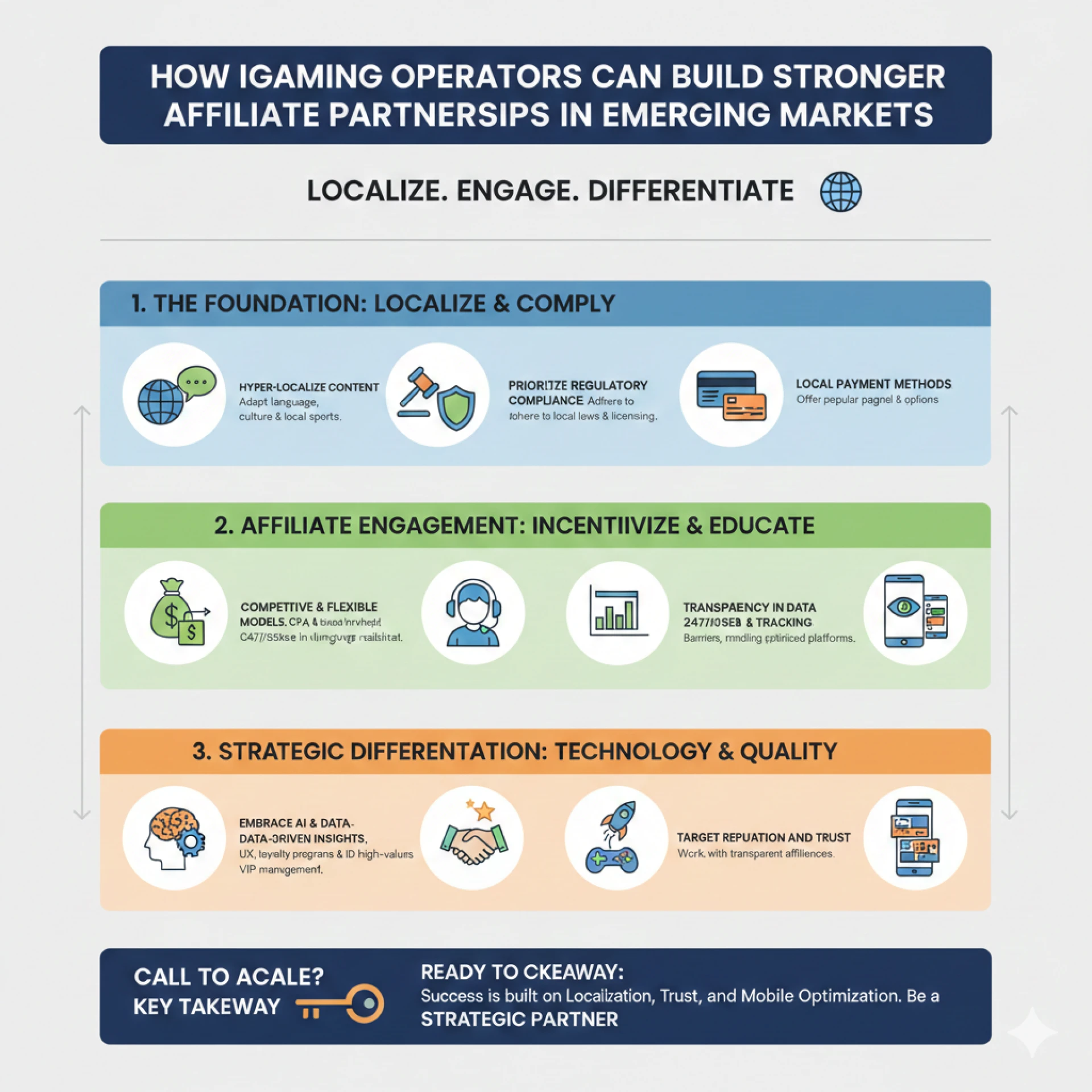
Operator Tip: Whether you go with a turnkey or white-label iGaming software provider, your growth depends heavily on how well you acquire, manage, and retain affiliates. This is where sites such as Affnook come in.
Platforms like Affnook are not your game provider—they are your growth enabler. They provide intelligent affiliate tracking, geo-targeting, and reporting tools that enable operator and affiliate managers to scale faster, smarter, and more profitably.
Which iGaming Software Is Right for You?
It does not have a blanket answer. What you decide will be based on:
- Your budget
- Your launch schedule
- Your regulated/non-regulated market
- Your vision for the future
Many brands begin with White Label and upgrade to Turnkey after showing their concept has worked. The iGaming world is all about being flexible.
Conclusion
Choosing the right iGaming software can make or break your brand’s performance in this competitive space. Be it a white label dash to the market or a turnkey control that builds a legacy, the software characterizes.
And the path does not need to be alone.
Platforms like Affnook provide beyond launching tools. Whether it comes to tracking and geo-segmentation or real-time insights and support, it serves brands that think of themselves as marketers and builders.












Sign in to leave a comment.