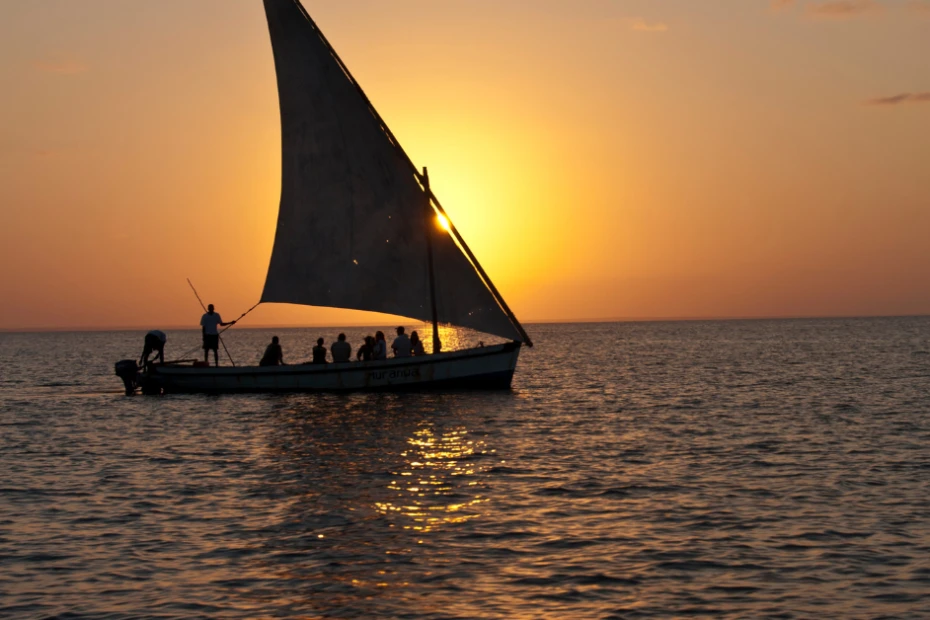

South Africans are well-positioned when it comes to travelling on the continent. The neighbours are close, the rand goes further in some of them than people expect, and the experiences available just across the borders are genuinely world-class. Two destinations that keep coming up in conversations among serious travellers are Botswana and Mozambique. They’re completely different from each other in what they offer, but both deliver the kind of trip that people talk about for years after they get home.
If you’ve been doing the same domestic routes and want something that feels like a proper break from the ordinary, these two countries are worth serious consideration. Here’s what each one actually offers and what to think about before you book.
Botswana: Still One of Africa’s Best Kept Secrets
Botswana doesn’t have the same global profile as Kenya or Tanzania when it comes to safari travel, but among people who know the continent well, it’s consistently rated among the very best places to see wildlife. The reason comes down to a deliberate approach to conservation and tourism that Botswana has maintained for decades. Rather than maximising visitor numbers, the country has focused on keeping volumes low and quality high. The result is a safari experience that feels far less crowded and far more genuine than many of the more commercialised wildlife destinations elsewhere in Africa.
The Okavango Delta is the centrepiece of what botswana safari travel looks like for most visitors. It’s one of the most unusual ecosystems on earth — an inland river delta that floods seasonally, creating a network of islands, channels, and floodplains that support an extraordinary concentration of wildlife. Elephant, lion, leopard, wild dog, hippo, crocodile, and hundreds of bird species all share this water-rich environment. The experience of moving through it by mokoro — the traditional dugout canoe — at dawn, with no engine noise and no other vehicles in sight, is something that’s very hard to replicate anywhere else.
The Chobe region in the north is known for having some of the largest elephant populations on the continent. Boat safaris on the Chobe River in the late afternoon, watching hundreds of elephants coming down to drink while hippos surface and African fish eagles call overhead, is a scene that even people who have done many safaris describe as genuinely moving.
What makes botswana african wildlife experiences stand apart from many other destinations is the standard of guiding. The country has produced some of the finest professional guides on the continent, people who have spent years in the bush and can tell you not just what you’re looking at but what it means within the broader ecosystem. A three-day safari with a great guide teaches you more about wild Africa than ten days of driving through a crowded park on your own.
Choosing Where to Stay in Botswana
The accommodation market in Botswana is heavily oriented toward luxury. The country made a decision early on that it would attract fewer, higher-spending visitors rather than trying to compete on volume, and the lodges reflect that philosophy. A botswana safari lodge in the Okavango or Chobe typically includes all meals, all game activities, and in many cases park fees and transfers, which means that while the nightly rate looks high, the all-inclusive nature changes the real cost comparison significantly.
For South African travellers, flying into Maun and then taking a light aircraft into one of the more remote concessions is the standard approach for the Okavango Delta. The light aircraft transfers are themselves an experience — flying low over the delta at sunrise gives you a perspective on the scale and beauty of the ecosystem that no photograph fully does justice to. Budget for this as part of the overall trip cost rather than treating it as an extra.
The best time to visit is generally from May through October, when the dry season concentrates wildlife around water sources and the delta flood is at its highest, making boat and mokoro activities most accessible. July and August are peak months and need to be booked well in advance. If flexibility exists, May, June, and September offer slightly lower rates and good conditions.
Mozambique: The Beach Trip That Doesn’t Disappoint
Mozambique has been drawing South Africans to its coastline for a long time, and the appeal is straightforward. The Indian Ocean water is warm, the beaches are long and largely undeveloped, the seafood is exceptional, and the Portuguese-influenced food and atmosphere give the place a character that is distinctly its own.
The southern coast, accessible by road from Johannesburg or Pretoria in roughly 10 to 12 hours depending on the crossing and traffic, has been the traditional weekend and holiday destination for South Africans. Ponta do Ouro, Ponta Malongane, and Inhambane are names that come up regularly. The diving and snorkelling in these areas is outstanding, with whale sharks, manta rays, and diverse reef life drawing water sports enthusiasts back year after year.
The mozambique beach resorts further north, in the Bazaruto Archipelago and around Pemba in the far north, represent a step up in both remoteness and natural beauty. The Bazaruto Archipelago is a national park, and the coral reefs and marine life here are among the most pristine in the Indian Ocean. Dugong, one of the rarest marine mammals in the world, are found in these waters. The islands themselves have a wild, undeveloped quality that is rare in beach destinations accessible to South Africans without a long-haul flight.
Vilanculos is the main gateway to the Bazaruto Archipelago and has grown in infrastructure in recent years. Fly-in packages from Johannesburg are available and take the long road trip out of the equation, making this part of the country accessible in a way that wasn’t always the case. A five-night trip that combines two nights in Vilanculos and three nights on one of the archipelago islands gives you a proper taste of what the area offers.
Food is Part of the Experience in Mozambique
One of the things that makes Mozambique genuinely different from other beach destinations is the food. Piri piri prawns, grilled over charcoal and served with a cold 2M beer, is one of those meals that becomes a benchmark for everything else you eat for a while after. The Portuguese influence on Mozambican cooking is strong — fresh seafood handled simply and cooked well, with flavours that are straightforward but very good.
Markets in towns like Inhambane and Maxixe sell fresh fish brought in by local fishermen every morning. Eating at a local restaurant rather than relying entirely on resort food gives you a fuller sense of the place and the people. Most visitors who make the effort to get off the beach and into the nearest town for at least one meal come away with a much richer experience than those who stay within the resort perimeter for the entire trip.
Planning Both Trips Together
Some travellers combine Botswana and Mozambique into a single extended trip, and it works well as a pairing precisely because the two are so different. A week in the Okavango followed by a week on the Mozambican coast covers both bush and beach, and the contrast between them makes each feel more distinct. Flying between Maun and Johannesburg and then connecting to Vilanculos or Pemba is the most practical routing for this kind of trip.
The combined trip works well for couples, groups of friends, and even families with older children. Botswana needs some planning and a decent budget. Mozambique is more flexible on price depending on where and how you choose to stay. Getting both right is largely about doing some research, booking accommodation that has a proven track record, and not leaving the planning until the last minute during peak season.
Both countries are accessible to South Africans in ways that make them feel like practical options rather than aspirational ones. The distances are manageable, the rand goes reasonably far in both, and the experiences on offer are genuinely among the best the continent has to offer.


























Sign in to leave a comment.