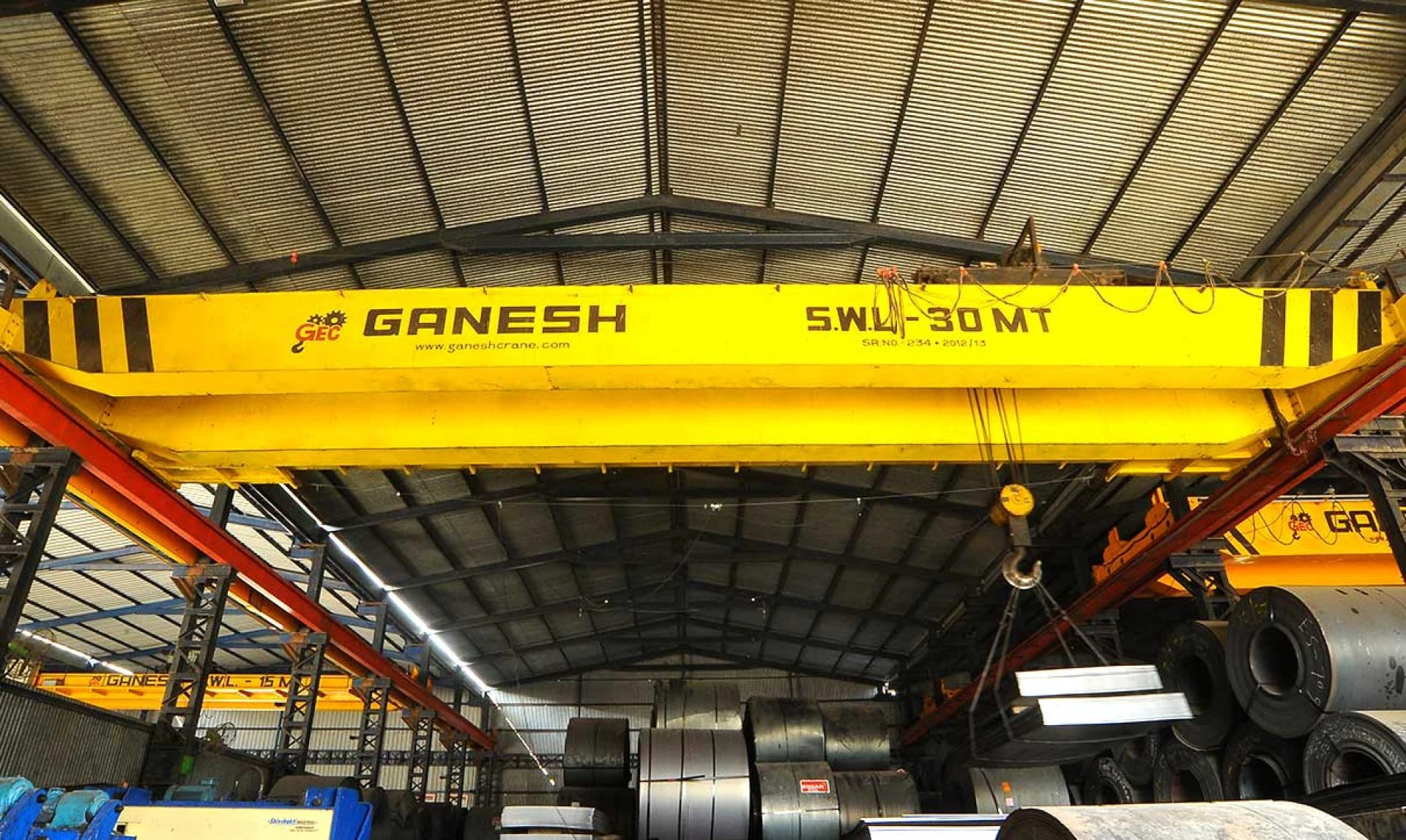

The load-lifting tool is an essential part of the production process in the construction, warehouse, and shipping industries, among others. With so many options for load lifting available, like gantry crane, goliath crane, and JIB crane, among others. Each model has its own set of specifications and capacity, which makes it different from others. The double girder overhead crane is one such equipment that is used for lifting heavy loads. It consists of two bridge girders, two end trucks, and a hoist. In this post, we will discuss the various kinds of double-girder overhead cranes, which will help you select the best one for your needs.
Top Running Double Girder Overhead Crane:
It is one of the most common kinds of overhead cranes with a high-lifting capacity of around 500 tons. The design of the load-lifting machine is such that the crane’s end truck runs on the top of the runway beam. The hoist is mounted on the top of the bridges, which provides enough space for the load to be safely lifted and moved without causing interruption to other operations. Due to its high-strength capacity, it is mainly used in steel industries, shipbuilding yards, and aerospace industries for handling heavy components.
Benefits:
- High Load Lifting Capacity
- Enough space is provided by the hoist for lifting and moving the load
- It is flexible enough to be customized and adjusted for different kinds of applications
Under Running Double Girder Crane:
In this crane, the flange is suspended from the runway beam. The trolley and hoists are also mounted on the girders, which hang below the track. This kind of load-lifting operation is apt for situations where the space is limited. It is used for lifting lighter loads, like clearing warehouses and maintenance facilities.
Benefits:
- Low installation costs
- Saves spaces
- Apt for renovation and product replacement kind of projects.
Double Girder Gantry Crane:
This load lifting crane has many design similarities with the overheat variants. It has two girders supported by the legs, which are installed on the ground. This machine is flexible enough to be used indoors as well as outdoors. This crane has a high lifting capacity and does not require building columns for support. They can be used for lifting operations at construction sites and railway yards.
Benefits:
- Extremely flexible and can carry out operations outdoors as well as indoors.
- Robust body made from high-grade metal
- Do not require the support of a building structure
Double Girder Overhead Crane With Walkway:
These cranes are designed with walkways on one or both sides of the machine, allowing the personnel to access the hoist and other crane components with built-in maintenance access. It allows easy inspection and can also support the integration of equipment like cable reels and lightning, among others. It is ideal for places where safety is a must, like heavy manufacturing operations, power stations, and other industries where regular usage of cranes is needed.
Benefits:
- Easy maintenance
- Reduces the downtime for operations and expenses for maintenance.
- Ensures safe operations.
Magnetic Double Girder Overhead Crane:
These kinds of cranes are equipped with electromagnetic lifting devices, which makes them different from traditional lifting machines. Due to its electromagnetic abilities, it is mostly used to lift metals like iron and steel. It is available with automated and semi-automated controls, and also bulk handling of materials. It is mostly used in scrap yards, steel warehouses, and metal processing plants, among others.
Benefits:
- Efficient material handling
- Reduced labor cost
- Can lift multiple products at once, providing high output
Explosion Proof Double Grider Overhead Crane:
If you need load lifting operations in hazardous environments for chemical plants or oil refineries, then this crane will come in handy. No matter how much dust or heat is in the surrounding area, these flameproof cranes will handle the load efficiently and also reduce the chances of accidents. This load lifting crane is manufactured keeping in mind the high standard of compliance.
Benefits:
- Prevents the chances of fire breakouts even when dealing with flammable products.
- Advanced Safety features
Wrapping Up…
The double girder overhead crane is a vital load-lifting tool used in manufacturing and industrial environments. The sturdy design and high load lifting capacity of this machine make it one of the most preferred rigging tools. However, you need to select the apt solution if you want efficient operations like Ganesh Engineering. Their high-quality load cranes will help you save manpower and time for material handling. They have been working in the field for quite some time now with the best engineers, which makes them the best crane providers.
Frequently Asked Questions:
What is the Capacity of the Double Girder Overhead Crane?
The capacity of the double girder overhead crane varies from model to model. There are different specifications and features for each of the cranes, and thus, you should select the one according to your needs.
What are the Benefits of the Double Girder Crane?
- It is a highly efficient tool for moving and lifting loads.
- It provides a safe environment for moving heavy loads.
- They are apt for manufacturing, warehousing, and the construction industry.
- It is a cost-effective solution as compared to other load lifting equipment.
What are the Factors to Consider When Choosing a Double Girder Overhead Crane?
- Determine the maximum load capacity of the given crane.
- Go for the size of the crane, which can be easily installed in the area of the operations.
- Consider the maximum space provided for lifting loads and the space provided by the machine.
- Always select the crane that has features like overload protection and emergency stops.
- Determine the frequency of crane operations.
What are the Common Applications for a Double Girder Overhead Crane?
- Lifting and moving heavy materials in steel mills and other industrial applications.
- Handling large construction equipment, like concrete and pillars.
- Moving heavy goods in large warehouses.
- Shifting heavy containers in the railways and shipyards.
- Assembling large machinery components.
- Handling cargo and other heavy equipment.










Sign in to leave a comment.